connector
Know which Heroku app is driving your bill
Attribute every dyno hour to the team, product, or application behind it. Catch idle apps before they compound, and connect Heroku spend to the product economics it actually supports.

Heroku bills per app, not per team
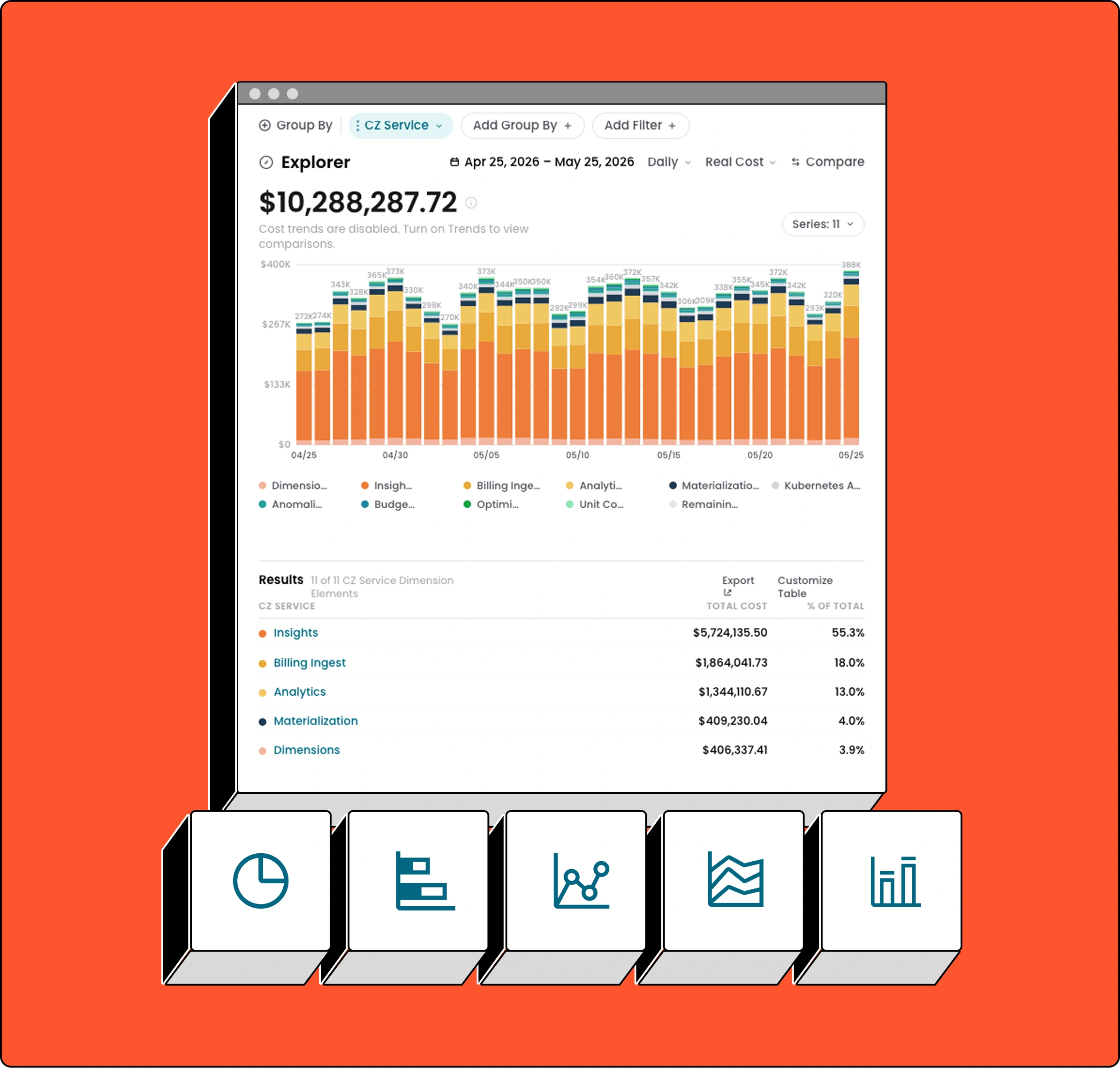
Heroku’s billing is organized around apps, not the teams that own them. An organization with dozens of apps has no native way to say which team drove the increase. CloudZero maps every dyno hour to the team responsible.
An idle dyno doesn’t turn itself off
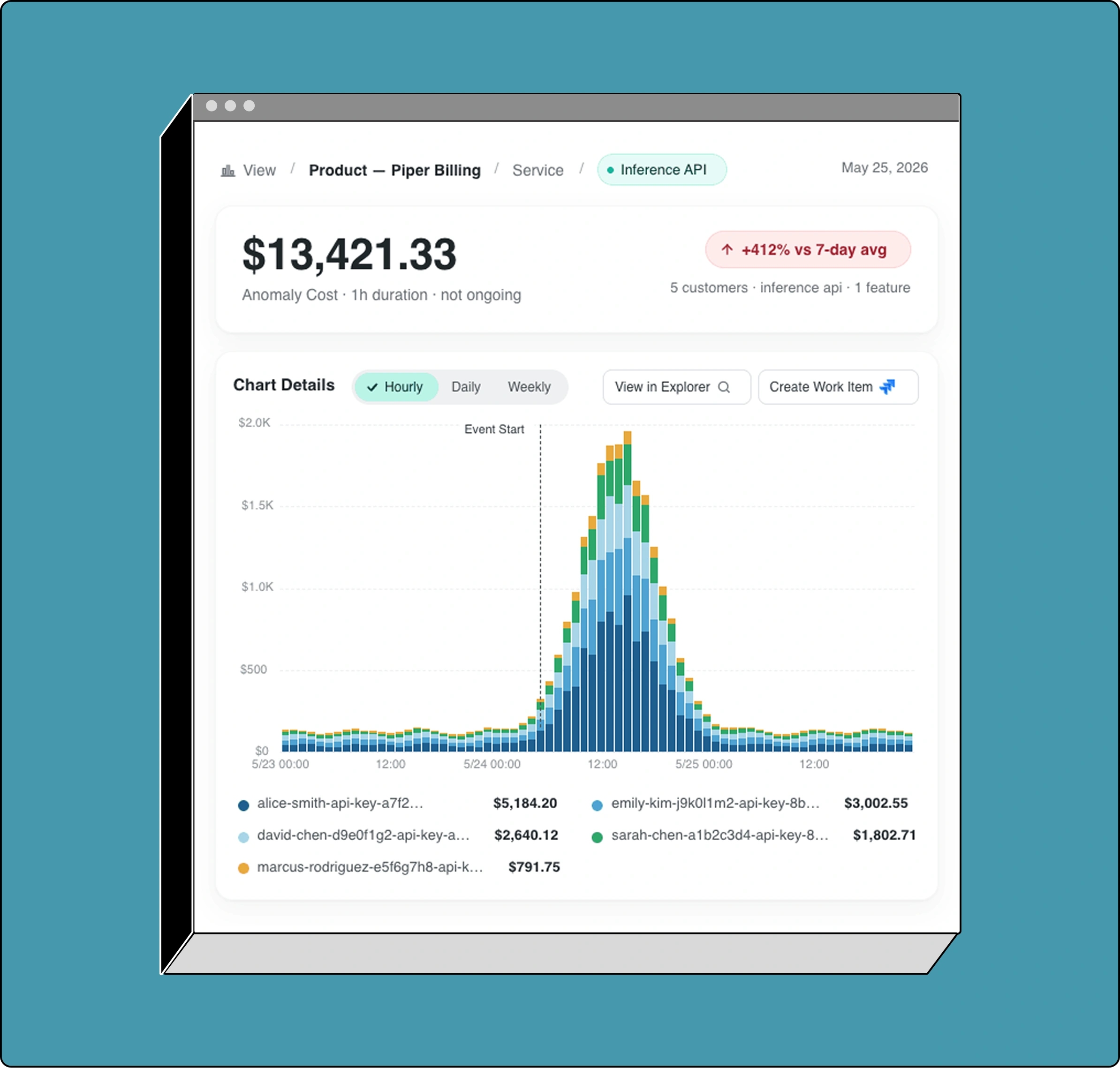
A staging environment that stopped serving traffic three months ago is still consuming dyno hours. CloudZero flags the deviation and routes the alert to the team that owns the app, before the hours compound.
Connect dyno spend to the product it powers
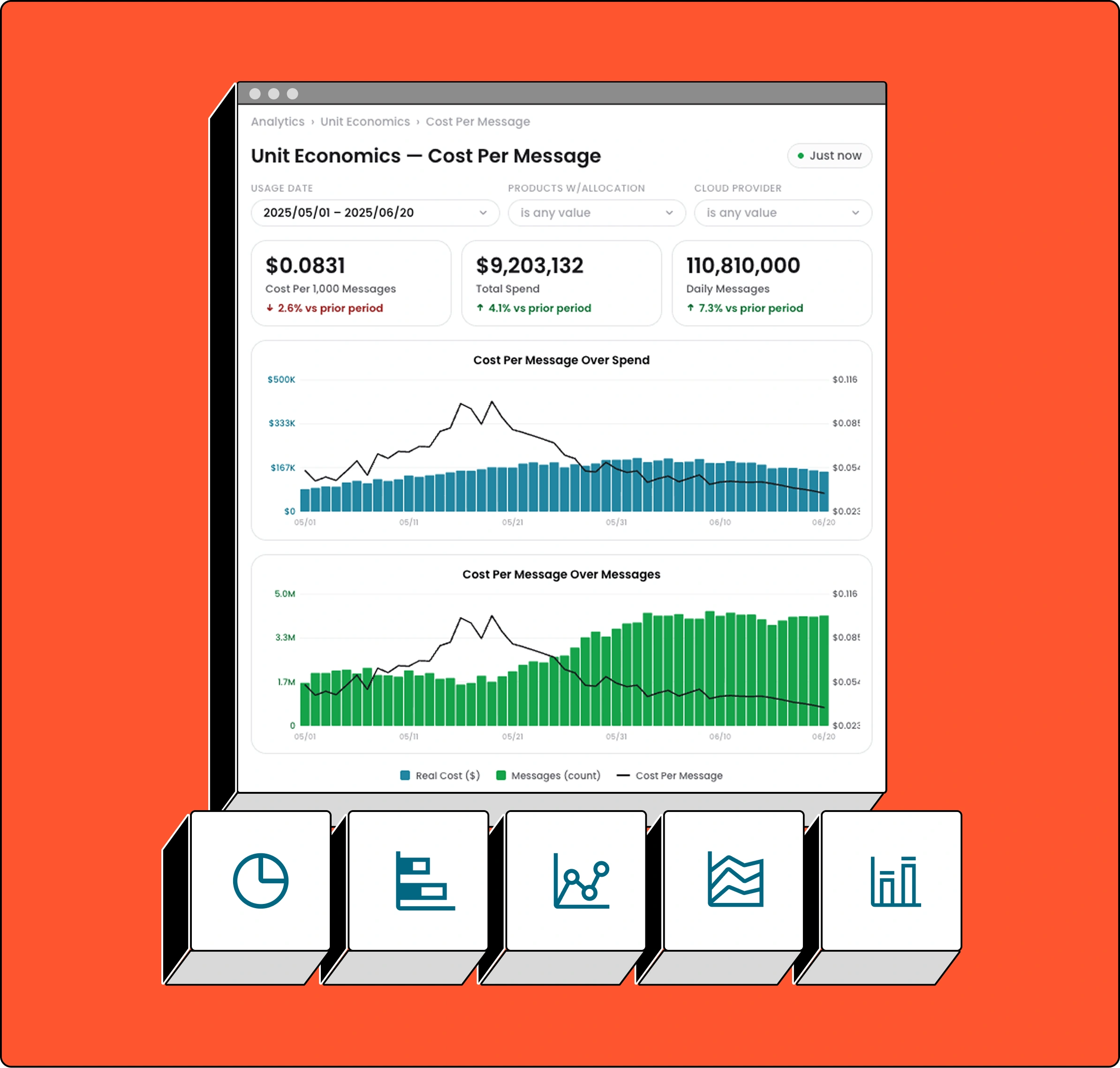
Heroku’s billing shows cost by app. That’s not how product decisions get made. CloudZero connects dyno spend to cost per product, cost per customer, and cost per team.
The cost layer Heroku doesn’t include
Dynos and add-ons attributed together
Heroku apps generate cost across dynos, Postgres, Redis, and third-party add-ons. CloudZero attributes all of it to the team responsible, not just the compute line.
Forgotten apps surface before they compound
Heroku teams accumulate apps fast — staging environments, experiments, deprecated services. CloudZero identifies which apps haven’t served traffic in weeks and surfaces them to the team that owns them.
PaaS velocity with full cost accountability
Heroku’s value is developer speed. CloudZero adds cost accountability without adding process overhead, connecting every app’s spend to the product and customer it serves.

Optimized go-to-market models using cost per customer data

Laurent Py
Senior Vice President of Product Management, Smartbear
CloudZero has helped us raise revenues without using additional engineering resources. We’re building overall value.

Within two weeks, we found enough savings to pay for a year of license. It was that good — that intuitive.

Stuart Davidson
Platform Engineering Lead, Skyscanner
How Skyscanner allocated costs according to their engineering hierarchy — and drove org-wide cost accountability
Bring every cost, even the one nobody supports
If it has a bill, AnyCost can ingest it. CloudZero turns the long tail of cost sources into one allocated, normalized, intelligent view of where every dollar goes.