Quick Answer
AI budget planning is the process of deciding what an organization will spend on AI next year and what that money will stop funding. In CloudZero's survey of 252 senior finance leaders, the largest shift for FY2027 is software: 56% expect AI spend to displace SaaS licenses, up from 45% in FY2026. R&D is second at 47%, up from 41%. The headcount trade is going the other way, down from 38% to 33%. AI is increasingly funded by canceling other software.
NOTE: This is a deeper look at one finding from Why Finance Caps What It Can’t See, CloudZero’s survey of 252 senior finance leaders.
Every AI budget displaces something. The question in planning season is what, and the answer has moved.
CloudZero’s survey of 252 senior finance leaders asked what AI spend traded against in FY2026, then asked the same question about FY2027. Every line on the list moved, and the two that grew are the two worth looking at.
What is AI budget planning?
AI budget planning is the process of setting how much an organization will spend on artificial intelligence in a fiscal period and deciding what that money comes from. It covers model API usage, inference and training compute, AI infrastructure, and licensed AI tools.
It differs from planning a software budget in two ways. The spend is consumption-based. The total moves with usage; it does not reset at renewal. And because most companies fund AI by displacement, the planning decision is really two decisions: how much to spend, and what to stop spending it on.
Only 10% of the companies in this survey expect AI to be net-new budget in FY2027, down from 12% in FY2026. For everyone else, something gives.
2026 State of AI Spend Report
Why Finance Caps
What It Can’t See
Learn how finance leaders are managing AI spend, and how they’re approaching FY2027
The software trade is the big one
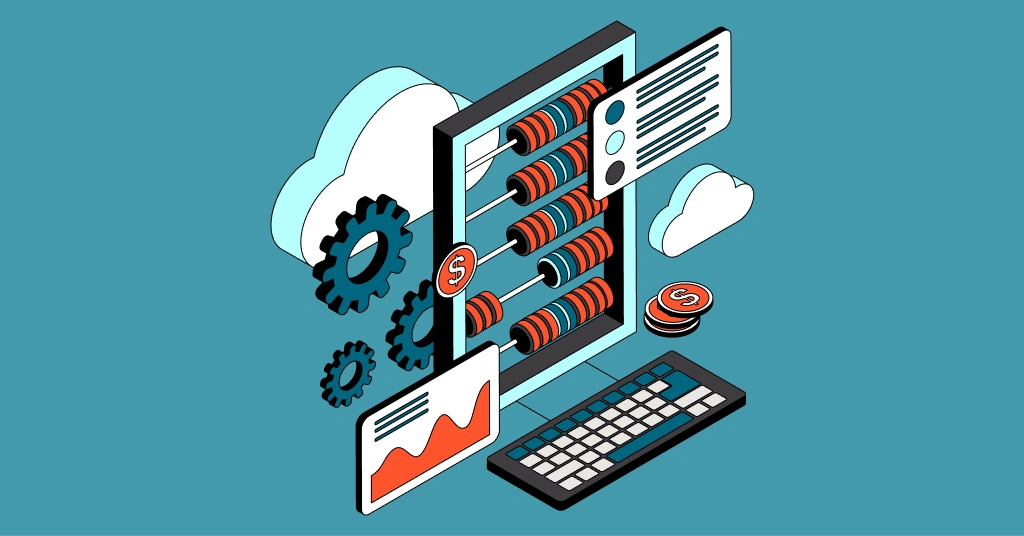
SaaS licenses move from 45% to 56%, a gain of 11 points and the largest shift in the dataset.
Consolidation is the obvious reading: AI tools absorb functions that used to be separate subscriptions, so the subscriptions go. The SaaS line is also the easiest thing in the budget to cut, because its costs are legible, contractual, and attached to a renewal date somebody owns.
Finance can cancel a license. It takes a decision and a calendar reminder.
56% of teams at the two weakest allocation tiers expect to fund AI from SaaS, and 56% of stronger allocators expect the same. The software budget is being raided by everyone equally, whatever they can see.
The R&D trade is the one to argue about
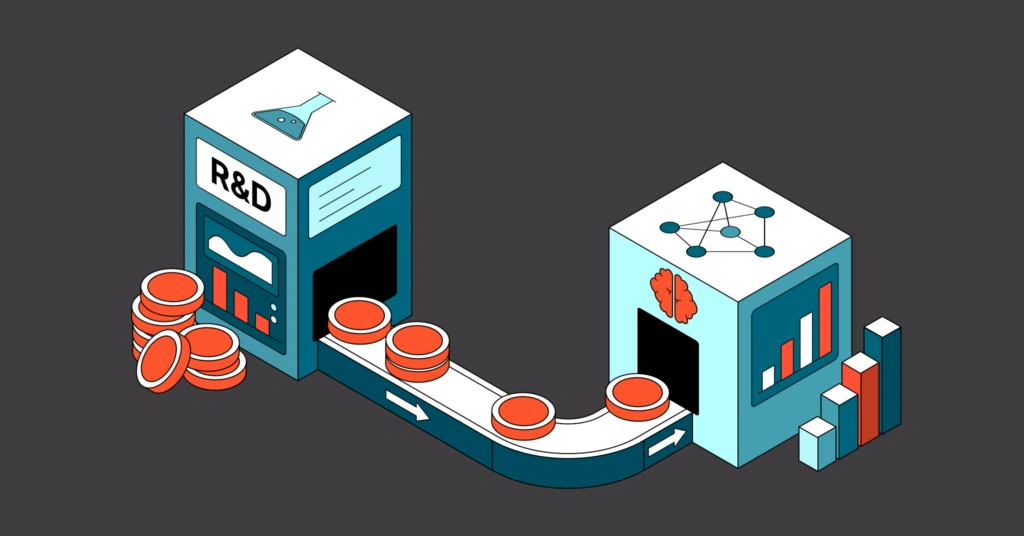
R&D and new product moves from 41% to 47%.
Canceling a license removes a cost. Canceling a product removes a future revenue line. The saving shows up this year and the loss shows up in two. Of everything on the displacement list, this is the one trade that competes with the thing AI is supposed to accelerate.
Nothing in the survey says the trade is wrong. Plenty of AI spend is product development by another name. The risk is that it gets made by default, as the residual after the easier cuts, with nobody owning the decision.
47% of finance teams are planning it for FY2027. The question worth asking in the room is whether 47% of finance teams have argued for it.
The jobs trade is receding
The headcount trade falls from 38% to 33%.
Given how much of the public conversation about AI is about jobs, a five-point fall is a real move. The companies in this survey are, on balance, planning to trade less headcount for AI next year than they did last year.
Sales and marketing budgets also recede slightly, from 35% to 33%, and non-AI infrastructure edges down from 46% to 45%.
So the picture is a shift in which budgets are considered fair game: away from people, toward software and product.
How to plan the AI budget line when the trade is implicit
Name the trade before the number. Most planning conversations settle on an AI figure and discover the displacement afterwards, which means the displacement never gets argued. Reverse the order and the number gets set against a named trade instead of before one.
Put the R&D trade in front of the person who owns R&D. 47% is a large enough share that it is happening at companies where the product leader has not been told. That is a conversation finance would rather have in planning than in Q3.
Fund the attribution in the same cycle. Only 12% of these teams can break AI spend down finely enough to act on it inside the quarter, which means most of these displacement decisions are being made against a total. AI cost allocation is what makes the second year of this easier than the first, and it is cheapest to fund in the year the budget is already moving.
Check the SaaS assumption against renewal dates. A displacement plan that assumes license savings arrives on a schedule set by contracts, not by the AI rollout. Those two calendars rarely line up on the first attempt.
Plan the trade
The AI budget conversation most finance teams are about to have is framed as a number. Underneath it is a choice about which part of the company gets smaller.
For FY2027 that choice is landing on software and on product, and only one of those is cheap.
When your AI number lands next year, which line will have paid for it, and did anyone agree to that out loud?
CloudZero’s full research covers all 13 findings from 252 senior finance leaders, with the complete methodology and every response distribution published alongside it.
Read the full report: Why Finance Caps What It Can’t See
Frequently asked questions about AI budget planning