Most companies gave everyone AI access and thought they’d sort out the costs later. Engineering, support, product, marketing, and finance all got licenses to the best models. The early results looked good, and for a while it didn’t matter there wasn’t an explicit business case.
Let’s call the first half of 2026 the free-for-all period for many companies. AI adoption spread across the org fast, people and teams loved it, and then the invoices started coming in.
Spend went haywire, and finance is looking at it. If you are a CFO, a controller, or you lead accounting, you’re probably getting a lot of questions. The CEO wants to know what the company gets for its AI spend. Your board is asking too. But you don’t have an answer yet, because nobody has the reporting for it. And building it in-house is slow and expensive.
Meanwhile, companies are planning next year’s AI budgets without a lot of clarity. According to CloudZero’s newest State of AI Spend report, 87% of senior finance leaders say they are raising FY2027 AI budgets, even though 61% can’t justify what they already spend.
Capping is the fast answer
So companies have started to cap, setting monthly limits by team, and sometimes opening up more budget on a case-by-case basis. Some companies we’ve talked to restrict access to the most expensive models. They pull seats from anyone who looks like a light user.
I understand why. A bill that sails past expectations is painful, and a cap is quick to put in place. It’s easy to explain when someone asks about control.
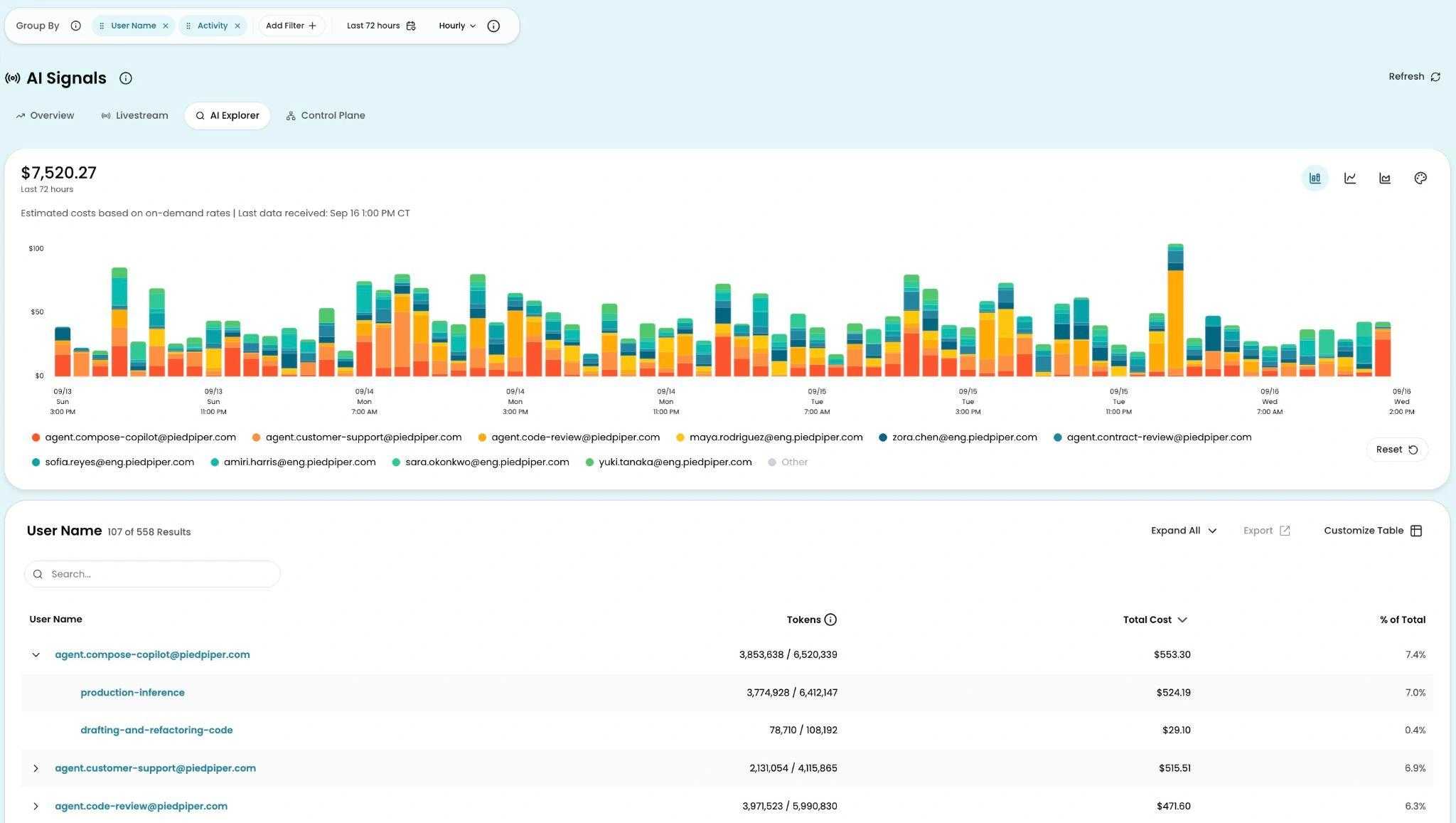
The problem is that a cap responds to cost but ignores return. Under a blanket cap, a team whose AI work produces tangible business outcomes loses access the same way a team with no results does.
Heavy use isn’t the same as waste, and light use isn’t the same as value. Cap without knowing which is which and you are guessing at which half you cut.
2026 State of AI Spend Report
Why Finance Caps What It Can’t See
Learn how finance leaders are managing AI spend, and how they’re approaching FY2027
What the invoice can’t show you
Your AI invoice tells you what you spent with each vendor. It doesn’t tell you who spent it, what they used it on, or what resulted.
Say one person or team accounts for the majority of an AI provider’s bill. That spend might be the most valuable use of AI in the company, or it might be the least. The invoice reads the same either way, and a cap applied across the team treats both the same too.
The reverse is just as invisible. Our VP of Sales built a demo-prep skill that costs an average of $5.21 per run, enough that a blanket cap would have killed it without discussion. Across the prospect meetings he prepped with it, he went five for five on conversion. The invoice showed $5.21. It did not show the five meetings.
Three questions to answer before the next cap
Control starts with information. Finance and AI leaders need answers to three questions.
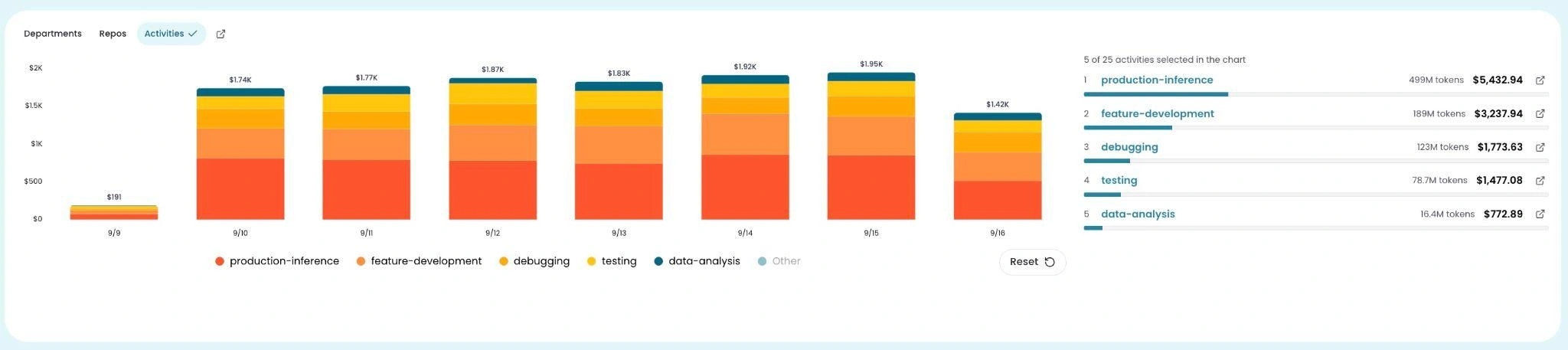
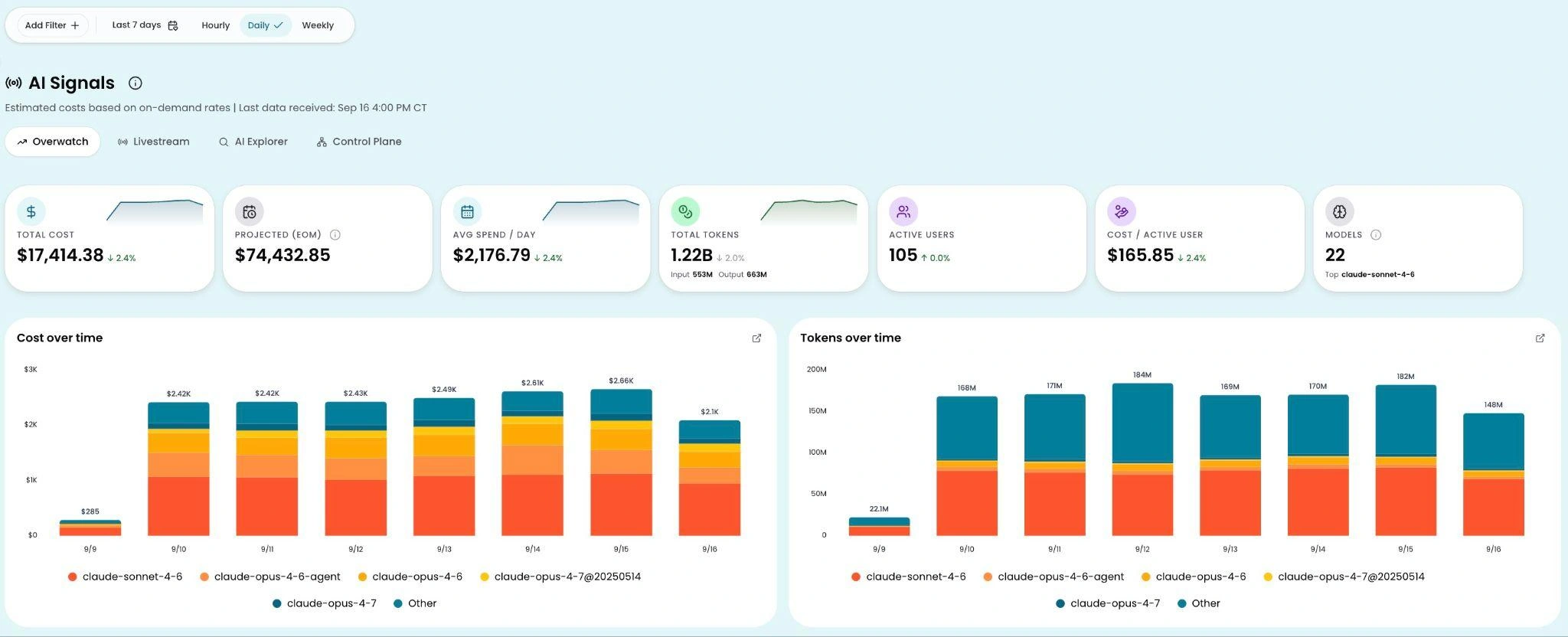
- What are we spending on AI? By tool, model, project, and team, from live usage, so you are not waiting for month end.
- Who is spending it? And which people and teams get results, so access follows value.
- Why are we spending it? Tied to an outcome it produced, so every cap and budget decision is backed by data.
Cap with context using CloudZero
CloudZero is the AI ROI company, and we are the financial control plane for AI spend. We connect every AI dollar to who spent it, what they used it on, and the outcome it produced.
You may still cap. We do. Our own per-employee AI limits stay in place, and when someone asks to break through one they bring the outcome the extra spend is meant to produce. That’s the difference: you cap with context. CloudZero shows which AI spend delivers results and which does not. You can limit the spend that doesn’t deliver, keep funding the spend that does, and show your CEO and board why. You may even find yourself doubling down on some spend, giving productive users more budget to expand AI usage across a team.
Here’s a real example. Our own customer success team’s AI spend tripled in a quarter. Rather than cap it, they traced the spend to the work it paid for and showed finance a 4x to 5x return through improved renewals.
Go into next year with answers
It’s budget season. A hard cap on AI spend keeps the number down for a quarter, but you’ll spend that quarter handling exception requests. If you can show AI spend by team, by person, and by what it produced, you’ll have an answer ready when the board asks what the money is doing.