Years in the FinOps trenches taught me one thing: The data has never been the problem.
The data exists. It’s out there, scattered across provider invoices, buried in tagging gaps, locked behind dashboards that maybe three people in your org actually know how to navigate.
The real problem? Nobody can get to it when they need it.
Engineers ship features without understanding what they cost the business, let alone whether they improved margin. Finance flags a spike but can’t trace it to a team or a code change. FinOps becomes the bottleneck, acting as the human middleware to reconcile what should be self-service.
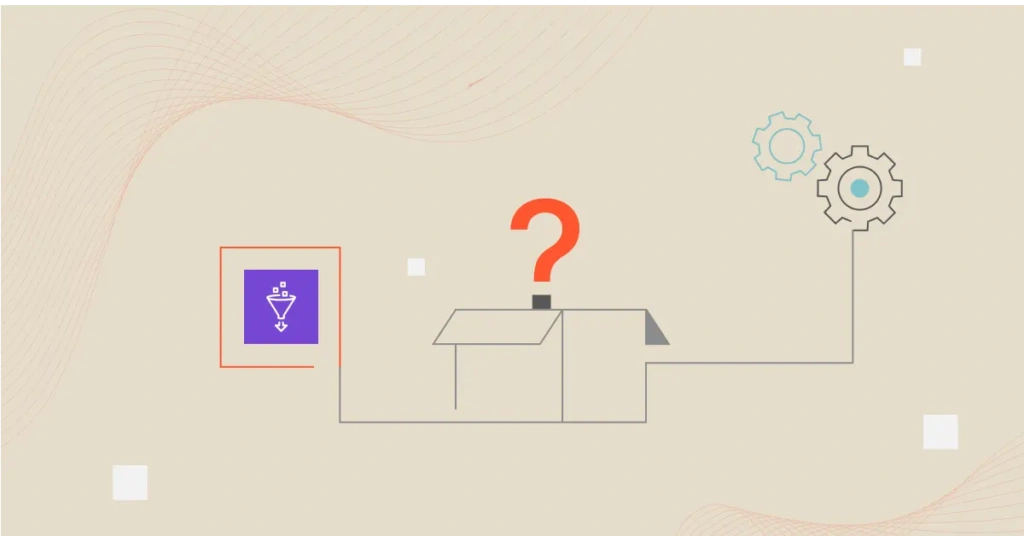
That’s the real Pandora’s Box. Not the spend itself, but the inability to see inside it.
The CloudZero AI Hub cracks it open — in a way that, frankly, most FinOps practitioners wish they’d had five years ago. Not another report you schedule and forget, but rather a conversational layer over your entire cost landscape — AI, cloud, and technology spend — all queryable in plain English, backed by a purpose-built MCP server and nine specialized analytical skills.
In other words, you ask and get the answer. That’s the big shift right there.
That matters more than any feature list. Here’s why:
1. Accessibility: Cost Intelligence, for Everyone
Cost data has always been gatekept. Not on purpose, but by complexity. You needed to know which dashboard to open, which filters to set, which dimensions to group by. If you didn’t have that expertise, you waited for someone who did. That meant most of the organization, the people making spending decisions every day, were effectively locked out.
The AI Hub tears that gate down. An engineer can ask “What’s driving the spike in our costs this week?” get a root cause breakdown by service, account, team, custom dimension, pull request, or ticket in seconds. Finance can ask “Which product feature has the highest cost per transaction?” and get an answer grounded in real allocation data, with full margin analysis.
The result: both sides are finally looking at the same intelligence. Engineers understand what their decisions mean for the business and finance stops guessing. That leads to something rare: collaborative outcomes.
That’s not just transparency. It’s alignment. And in my experience, that’s where the real savings live — not in cut budgets, but in teams that finally understand each other.
2026 State of AI Spend Report
Why Finance Caps What It Can’t See
Learn how finance leaders are managing AI spend, and how they’re approaching FY2027
2. Speed: From Mystery to Answered, in Minutes
You know the drill. A cost anomaly hits. Someone notices it on a dashboard three days later. A ticket gets fired off. An analyst investigates. A report lands on someone’s desk the following week. By then, the context is cold, the damage is done, and everyone’s moved on to the next fire.
That cycle is the norm. The AI Hub breaks it.
Anomaly detection, spike investigation, trend analysis, and root cause analysis aren’t reports you schedule. They run the moment you ask: “Why did spend jump 40% on Tuesday?” The AI Hub then walks you through the details you want to know: which services moved, which accounts contributed, whether it’s a new resource, a configuration change, a bad pull request, or just healthy customer growth.
No manual tagging reconciliation. No waiting for billing cycles. You investigate, decide, and act in the same sitting, and that changes how teams operate.
3. Innovation: Flexible, Not Rigid
Traditional BI is rigid. Dashboards are rigid. Reports are static. Changing an advanced dashboard means hours of complexity and testing. You end up forcing your business into the platform’s structure instead of the other way around.
The AI Hub flips that.
CloudZero’s dimension capabilities map spend directly to your business structure — teams, products, and features — rather than forcing you into a predefined template.
Analytics should work the same way.
CloudZero Explorer is great for structured analysis. It’s accessible, fast, and clean. The AI Hub opens up the unstructured questions, the ones nobody thought to build a dashboard for. Because it’s conversational, the questions you ask today don’t have to be the questions someone anticipated six months ago.
Your business evolves. Your intelligence should evolve with it. That’s how you stop asking “How much did we spend?” and start answering “Was it worth it?” — stop building features and hoping, start knowing.
What’s Under The Hood
The AI Hub launches with a Claude Code plugin, a single install that gives you a purpose-built MCP server and a suite of specialized skills. These aren’t generic AI prompts. They’re workflows that encode how experienced FinOps practitioners actually investigate and analyze costs, and they’re built for everyone.
Top Cost Drivers: Identifies and ranks the highest cost contributors across services, accounts, teams, regions, and custom dimensions. Instead of hunting through dashboards, you get a prioritized list of where to focus your optimization efforts first.
Cost Trend Analysis: Surfaces spending patterns, growth rates, and seasonality over time. Whether you’re forecasting next quarter’s budget or trying to understand why a steady line just started climbing, this is where you start.
Cost Anomaly Detection and Investigation: Scans for unusual spending patterns and signals of waste, misconfiguration, or optimization issues. When something spikes or dips, it drills in, surfacing root cause, the accountable owner, the ticket, the pull request, and recommended next steps, drawing from CloudZero data and your broader DevOps tooling.
Margin and Unit Economics Analysis: This is the one that changes the conversation. It pairs CloudZero cost intelligence with revenue data to calculate cost per customer, per feature, per workload — cost per anything. It gives teams a fast, clear answer to whether their cloud and AI spend is actually generating profitable returns.
No SQL. No Python. No technical language. Just everyday queries that anyone can ask:
- Tell me about our daily costs over the past month.
- What caused the dip on Feb. 15-18.
- How did this impact our cost per customer and margins?
The AI Hub provides the answers.
What’s Next
This is just the starting point. When you combine this level of cost intelligence with your engineering and operational tools — GitHub, Jira, Cortex, and more — the AI Hub becomes the foundation for something we’ll be exploring next: a business operating system that answers not just “how much” but “why” and “who can fix it.”
Pandora’s Box is open. The AI Hub is how you make sense of what’s inside.
Explore the CloudZero AI Hub and dive into the documentation to see what’s possible.
Don’t just manage your costs. Master them.