Why this matters
If your team builds with AI, someone is defaulting to the biggest model available (say, Fable) because it feels like the safe pick, and the safe pick is almost always the most expensive one. One over-powered choice looks harmless on its own, but multiplied across every prompt, agent, and workflow, and you get a big number on the P&L. All that, yet nobody chose which model on purpose. As we like to say, using a default is not a decision.
You may have seen us make that case last week, in our launch post and the engineering deep dive on how we built it. This is the ship note: Model Rightsizer is here, it’s free, and it’s open source.
What we built
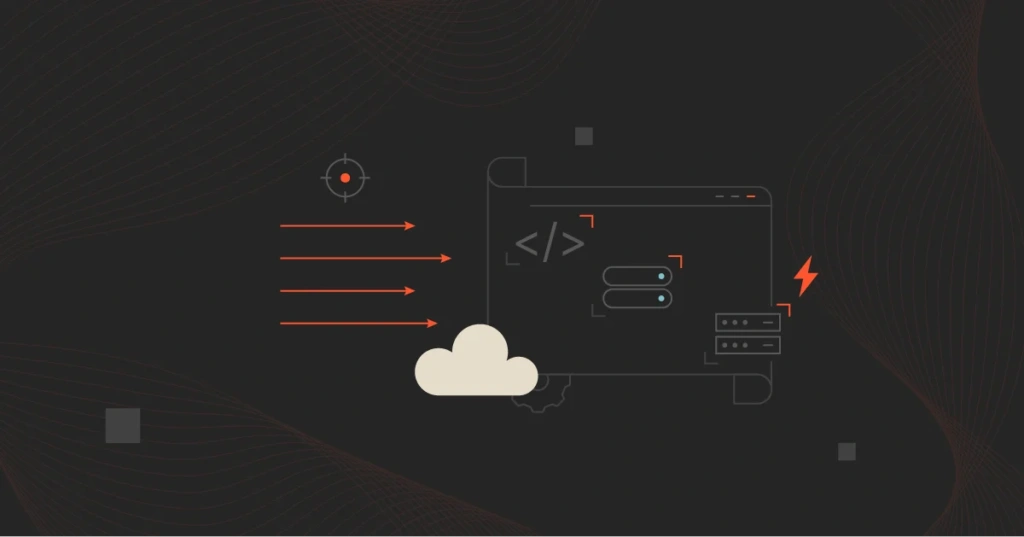
Model Rightsizer is a free, open-source agent you clone into your Claude Code workflows. It reads how your teams and agents actually use models, then sizes each task up or down. Routine work routes to a smaller, cheaper model when that model clears the same quality bar. Truly hard work uses a more capable model, so you never starve a complex job to save a few tokens.
It brings a discipline many have applied already to cloud infrastructure, namely matching the resource to the job instead of paying for overhead you don’t need. Model selection is now one of the largest variable costs for AI-forward companies, and it deserves the same treatment.
Crucially, this lowers cost without lowering output. You keep the same features, the same customer experience, and the same throughput, but you stop paying premium rates for routine work.
I built it, tested it, and proved it myself by running Model Rightsizer on a week of real engineering work. Opus spend dropped about 75%, from $2,813 to $711, while the same work ran on Sonnet more than 1,600 times for $22 total. Asked which of 11 tasks that had run on Fable actually needed Fable, the answer was none of them.
How it works
In the simplest way of thinking about it, Model Rightsizer acts as a double-checker for your model choices, before you spend the tokens. More specifically, it scores every task on two axes: how much the outcome suffers if a weaker model does the work, and how much cost, speed, and volume pressure the task carries. The output is a primary model with a confidence level, a runner-up, and the specific condition that would flip the call, not a blunt “use the biggest model.” It also sets how hard the chosen model should think, so an easy fix doesn’t overthink and a high-risk change gets full effort. It runs where your engineers already work, inside Claude Code, so cost context shows up next to the code.
To try it: Add the CloudZero marketplace to Claude Code, and install the Model Rightsizer plugin. Review the recommendations and act on the ones you trust. We also recommend running the Model Rightsizer install skill. It makes sure every session you run in the target repo gets passed through the Model Rightsizer’s review.
For even more visibility, Model Rightsizer can query your personal telemetry stream and surface real costs for the session, if you have an active CloudZero account with an AI telemetry stream. For instructions on how to set up the CloudZero MCP, see our Set Up AI Hub page.
Get it free → https://docs.cloudzero.com/docs/ai-model-right-sizer