Why this matters
Your engineers are running Claude Code every day, and every prompt burns tokens you’re paying for. Until now, that spend was hard to see. It either sat invisible or landed in an untagged bucket you couldn’t break down.
Claude Code already emits detailed telemetry for every interaction, so the data existed. You just had nowhere to send it that would turn it into a cost. Now you point that telemetry straight at CloudZero and see it allocated by model and token, with Anthropic prompt-cache detail intact, in AI Signals. There’s no collector to install and no gateway in the path.
What we built
CloudZero now ingests Claude Code’s native GenAI OpenTelemetry through a dedicated endpoint.
Claude Code records the details of every turn, including the model, request duration, token counts, and the tools it called. It reports token usage under its own attribute names rather than the OpenTelemetry standard ones. CloudZero reads that format natively, resolving the provider to Anthropic, pulling the model from the trace, and capturing input, output, and cache-read and cache-creation token counts. Every payload produces either a complete cost event or a traceable record, so nothing is dropped.
How it works
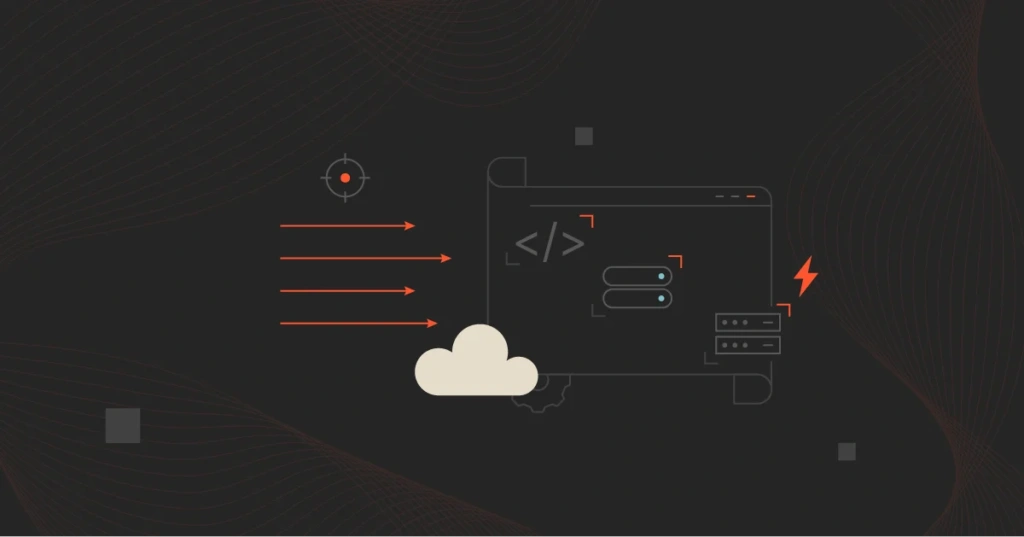
Turn on Claude Code’s built-in telemetry, point its exporter at CloudZero’s Claude Code ingest endpoint, and authenticate with an API key scoped for it. From there the events flow into AI Signals: Livestream for near-real-time visibility, Trends and AI Explorer for allocated cost over time. There’s no CloudZero collector to deploy and no proxy in the request path. The telemetry comes straight from the tool your engineers are already using.
It’s available to design partners now. Talk to us about the design partner program.
Learn more about real-time AI spend with AI signals in CloudZero documentation.