Before 2011, cloud infrastructure was still new. AWS had launched EC2 and S3 in 2006. But to deploy applications, engineers had to manually spin up servers, configure storage, and set up networking — all by hand or with custom scripts.
There were early configuration management tools, such as Chef and Puppet, but those didn’t offer full cloud orchestration.
Then in 2011, AWS launched AWS CloudFormation as the first major orchestration tool. Around the same time, Azure Resource Manager (ARM) and Google Deployment Manager started taking shape.
But as cloud workloads grew larger and more complex, things started to change. Engineers realized they were getting trapped inside single-vendor ecosystems. Each cloud had its own rules, tools, and pricing models. Moving workloads between providers was a nightmare. That’s when they started building open-source orchestration tools.
The goal of this article is to share reasons why you need open-source orchestration tools and introduce a few of them. We’ll also suggest cloud-managed alternatives so you can choose the solution that best meets your cloud orchestration needs.
What Is Open Source Cloud Orchestration?
Open-source cloud orchestration tools are built by communities. They’re free to use, fully transparent, and highly flexible — making them a natural fit for infrastructure automation and multi-cloud environments. Engineers love them because they can define infrastructure as code, add features, and avoid vendor lock-in.
Read more on what cloud orchestration really is and how it differs from cloud management here.
Other benefits include:
- Cost savings: No licensing fees, just operational and support costs
- Transparency: You can audit the source code for security
- Longevity and resilience: If one vendor stops, the community may still maintain the tool. A good example is when Hudson, a CI/CD tool developed by Sun Microsystems, was taken over by Oracle. The community disagreed with Oracle’s control and cloned it into Jenkins, which went on to become the world’s leading automation tool. The same happened with OpenOffice, which the community revived as LibreOffice after Oracle dropped support.
- Customizability: You can modify the tool to suit your exact needs. In cloud manged, this is limited to what the vendor allows through its APIs or settings. You can’t change how the platform itself behaves — only how you use it.
- No hidden dependencies: You know exactly what’s running. Unlike managed tools, which keep their internals closed, open-source platforms are transparent. Engineers can inspect the code, spot issues fast, and fine-tune performance or security without guessing what’s happening behind the scenes.
- Portable workflows: Move orchestration from cloud to on-premise or hybrid
- Community support and shared learning: Extensive forums, examples, shared patterns. Also beginner-friendly.
- Rich plugin/integration ecosystem: Multiple connectors, modules by contributors.
And now, here are the best open-source cloud orchestration tools along with their G2 reviews.
playbook
The AI Cost Optimization Playbook
Traditional cloud cost management is broken. Here’s why — and how to make the switch to cloud cost intelligence.
Best Open Source Cloud Orchestration Tools: Comparison Guide
The leading names include:
1. Kubernetes
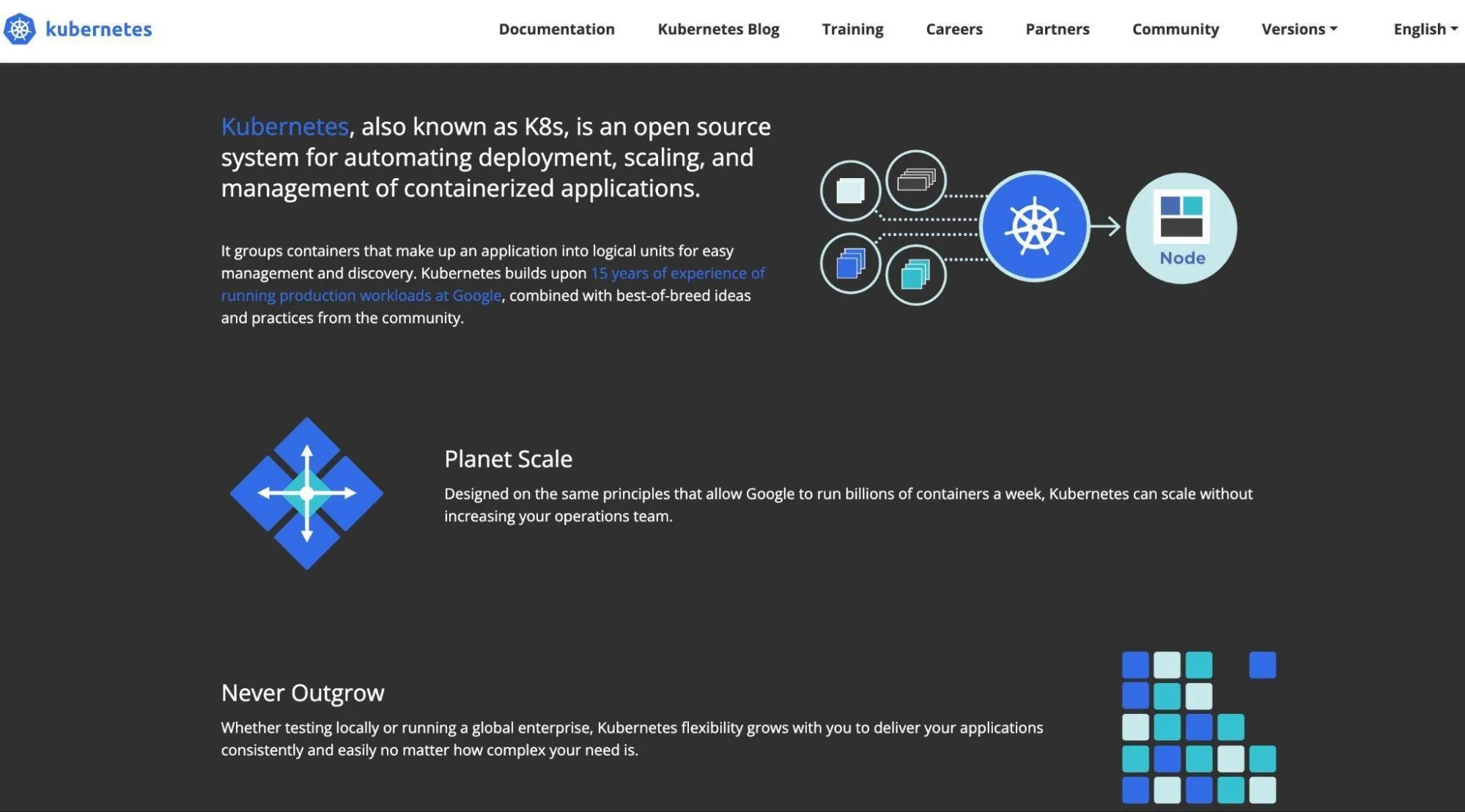
Kubernetes is the most popular open-source container orchestration platform. Teams can schedule containers automatically, self-heal workloads, and roll out updates without downtime.
It’s also highly extensible (CRDs/Operators), with a massive REST API, and uses Helm charts for packaging.
Cloud-native alternatives: AWS EKS, Azure AKS, or Google Kubernetes Engine (GKE)
G2 user reviews:
“It has ease of deployment and scaling the pod as per our requirement, and it has a lot of features.”
“I love that migration is a simple process for managing containers in different environments!”
2. Terraform
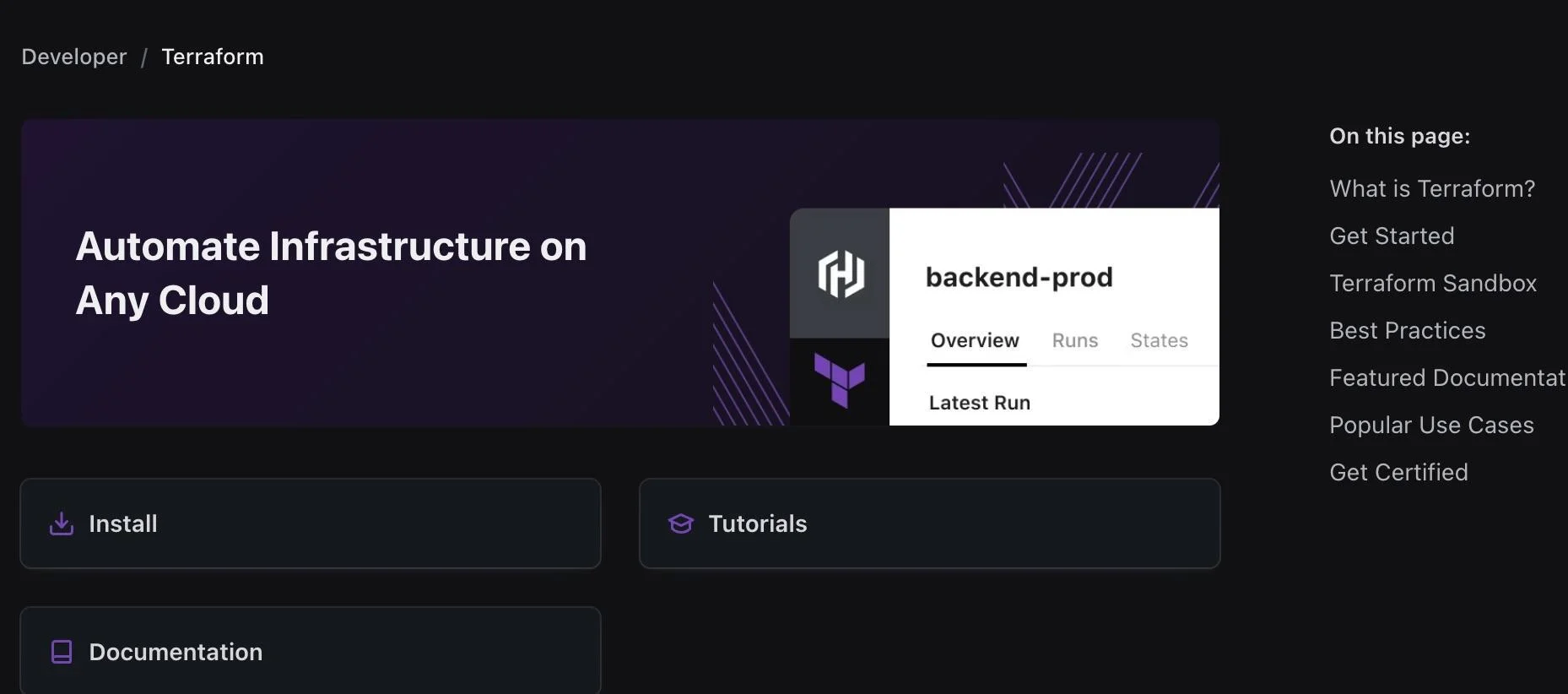
Terraform defines and provisions resources across major cloud providers and many on-premises using a declarative configuration language (HCL/JSON). Its provider/plugin model supports multiple services and gives teams unified control across environments.
While Kubernetes orchestrates containerized workloads at runtime, Terraform manages the underlying infrastructure (compute, networking, storage, etc.).
Cloud-native alternatives: AWS CloudFormation, Azure Resource Manager, and Google Cloud Deployment Manager
G2 user reviews:
“Terraform’s best feature is its declarative syntax, allowing you to define infrastructure as code and manage it consistently across multiple providers.”
3. Red Hat Ansible
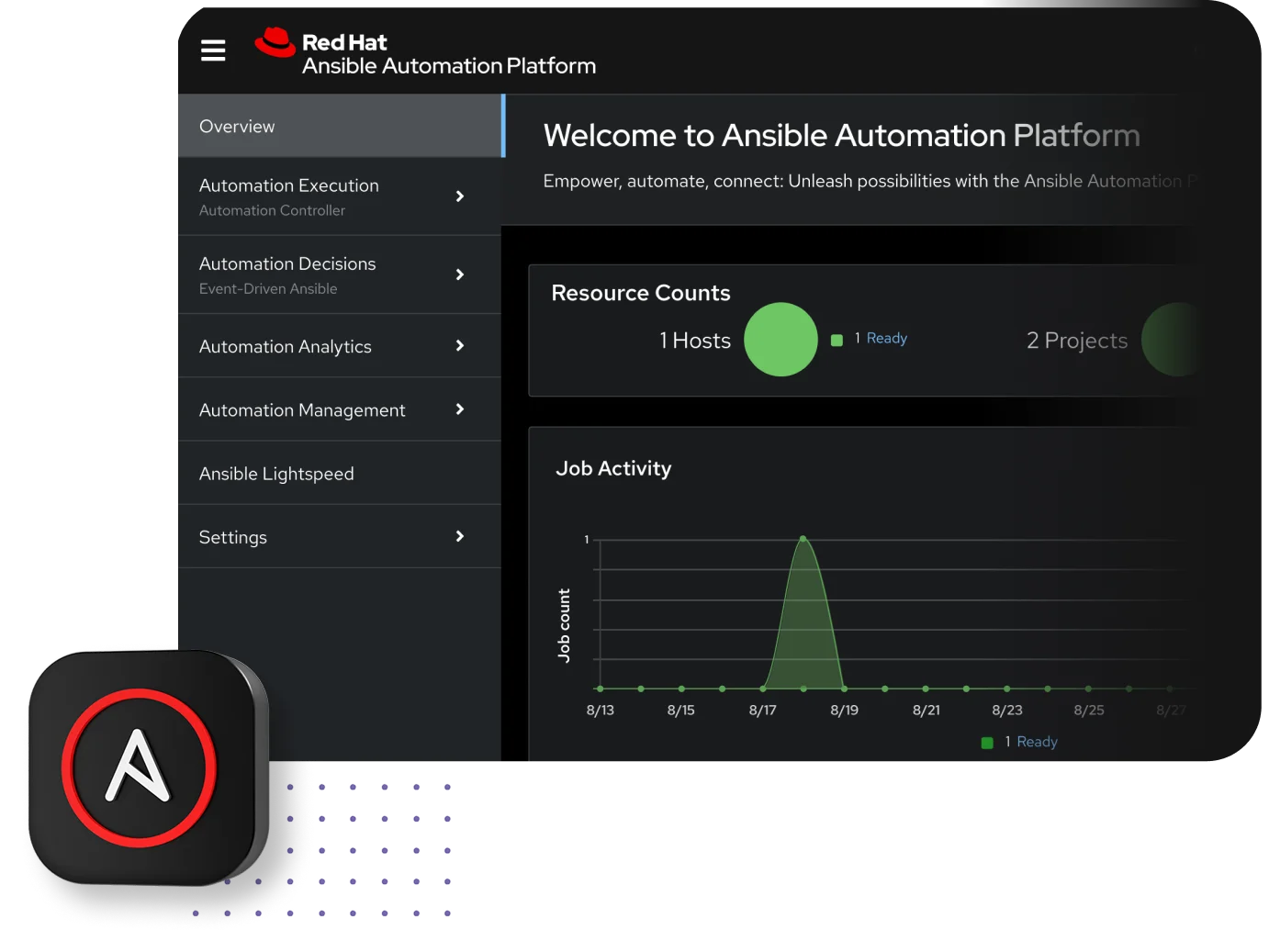
Ansible is known for its simplicity and agentless design. It automates configuration, deployment, and orchestration using straightforward YAML playbooks. No complex coding or agents needed. Engineers love it because it’s lightweight, fast to adopt, and works across Linux, Windows, and cloud environments.
Cloud-native alternatives: AWS Systems Manager, Azure Automation, and Google Cloud Config Connector.
G2 user reviews:
“AAP makes my life easier because I am a lazy engineer! If there is ever a configuration task that I have to do more than once, I use AAP to get it done. Even if I may only do something once, chances are there is a playbook for it, just in case I ever have to do it again.”
4. Jenkins
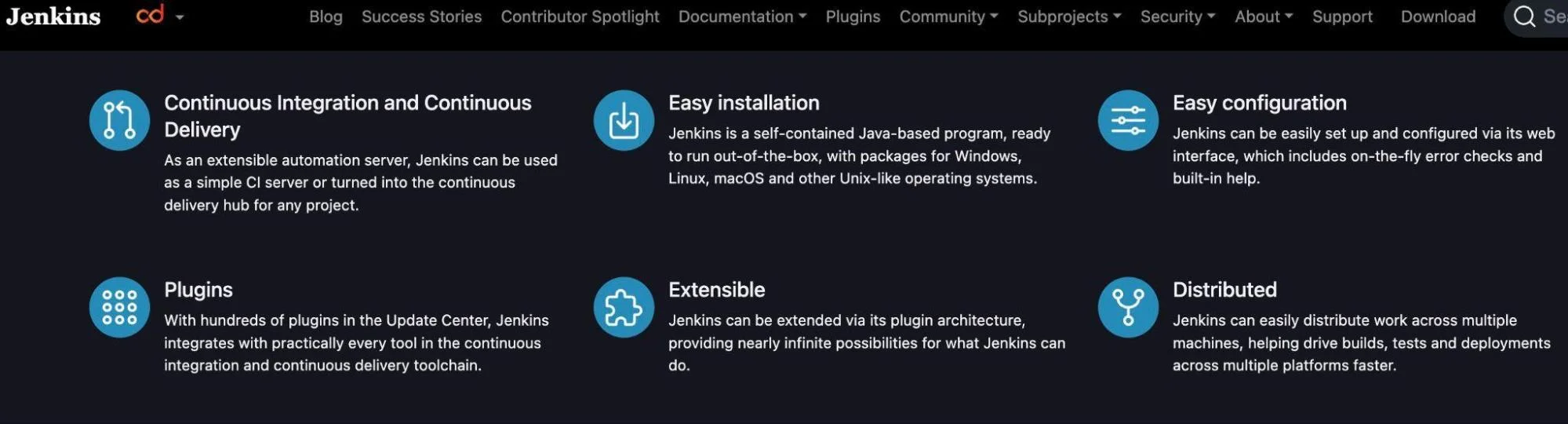
With millions of active users, Jenkins is the world’s most popular open-source automation server. It enables teams to build, test, and deploy software continuously — the foundation of modern CI/CD pipelines and DevOps automation workflows. It’s also written in Java, backed by over 2,000 plugins, and integrates with virtually every tool in the DevOps stack.
Jenkins can run on-premises or in any cloud, orchestrating everything from code builds to infrastructure automation.
Cloud-native alternatives: AWS CodePipeline, Azure DevOps Pipelines, and Google Cloud Build
Related read: 25+ AWS Tools For DevOps And FinOps Teams | Also see: What Is Cloud Cost Management?
G2 user reviews:
“Reliable automation tool that simplifies CI/CD”
“Seamless integration with most of the tools like Git, Docker, Maven builds, and all. Plugins are great. Implementation is easy and user-centric.”
5. Helm
Helm is the leading Kubernetes package manager, often described as “the apt or yum of Kubernetes.” It helps teams package, deploy, and manage complex Kubernetes applications using a reusable bundle known as charts.
According to recent CNCF surveys, Helm enjoys 75% adoption among Kubernetes-using organizations.
Helm also supports versioning, rollback, and repeatable releases across clusters, relieving teams from hand-managing manifest YAMLs.
Cloud-native alternatives: AWS, Azure, and Google Cloud Marketplaces all feature Helm-based application catalogs.
G2 user reviews:
“We have created multiple templates of helm to create multiple objects of Kubernetes. You do not have to worry about the syntax of Kubernetes objects and services.”
“You can very easily integrate it with public cloud providers, and a very nice document with implementation steps are mentioned.”
6. Argo
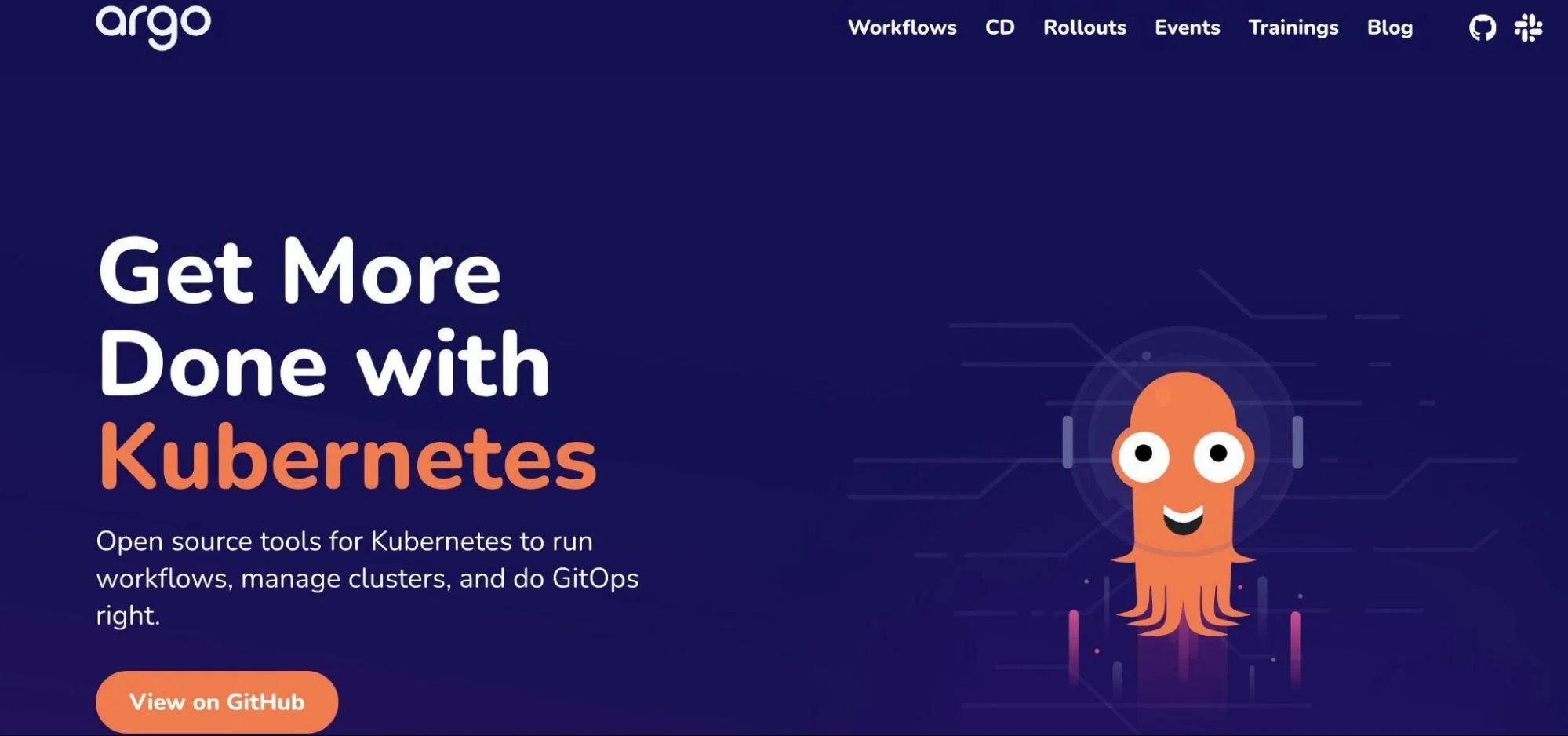
Argo features a suite of platforms: Argo CD, Argo Workflows, Argo Rollouts, and Argo Events.
The Argo Project is an umbrella CNCF project with four main sub-projects:
- Argo CD: GitOps continuous delivery
- Argo Workflows: Container-native workflow engine
- Argo Rollouts: Progressive delivery controller
Cloud native alternatives: AWS CodePipeline, Azure DevOps Pipelines, and Google Cloud Build.
G2 user reviews:
“The easy to follow and understand K8s deployment”
“Stable and easy to work with good documentation and community support”
7. Apache Airflow
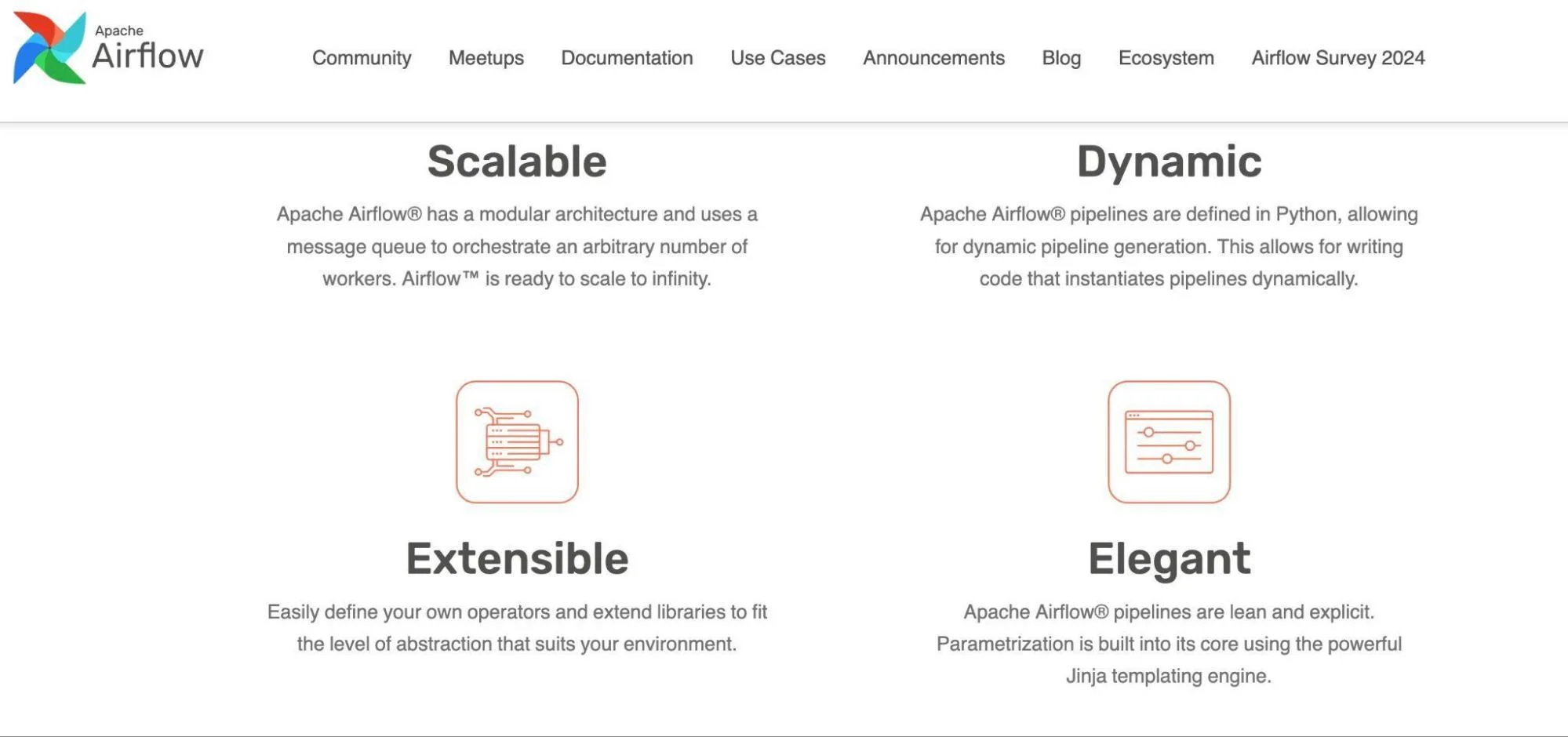
With Apache Airflow, teams can programmatically author, schedule, and monitor complex data pipelines using Python-based DAGs (Directed Acyclic Graphs).
It boasts a massive open-source community, with millions of monthly downloads and thousands of contributors. Airflow’s extensibility and operator-based design make it a go-to for ETL, ML, analytics, and data engineering workflows.
Cloud-native alternatives: Amazon MWAA (Managed Workflows for Apache Airflow), Google Cloud Composer, and Astronomer Cloud.
G2 user reviews:
“What I like best about Apache Airflow is how it lets me orchestrate complex data pipelines in a very structured way.”
“Apache Airflow makes it incredibly easy to design, schedule, and monitor complex workflows using Python.”
8. Pulumi
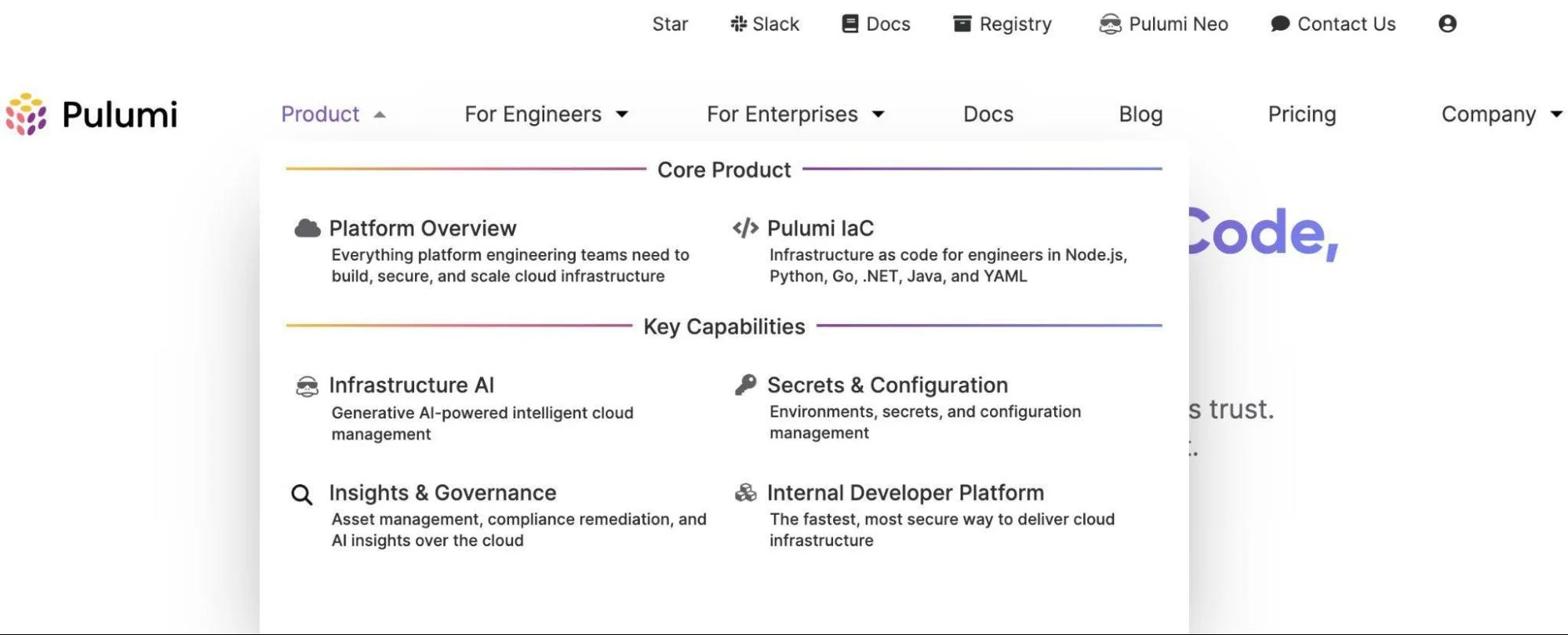
Pulumi lets teams manage AWS, Azure, GCP, Kubernetes, and even SaaS platforms through one consistent infrastructure as code framework — enabling multi-cloud deployments with familiar programming languages.
Its multi-language SDKs enable code reuse across environments, offering true multi-cloud portability and simplifying hybrid architectures.
Pulumi is also known for its developer-first design. It bridges the gap between developers and operators by using familiar languages and workflows.
Cloud-native alternatives: AWS CloudFormation, Azure Bicep, and Google Deployment Manager
G2 user reviews:
“Pulumi enables us to define our AWS cloud resources through IaC components, which is versioned along with our application code.”
9. Crossplane
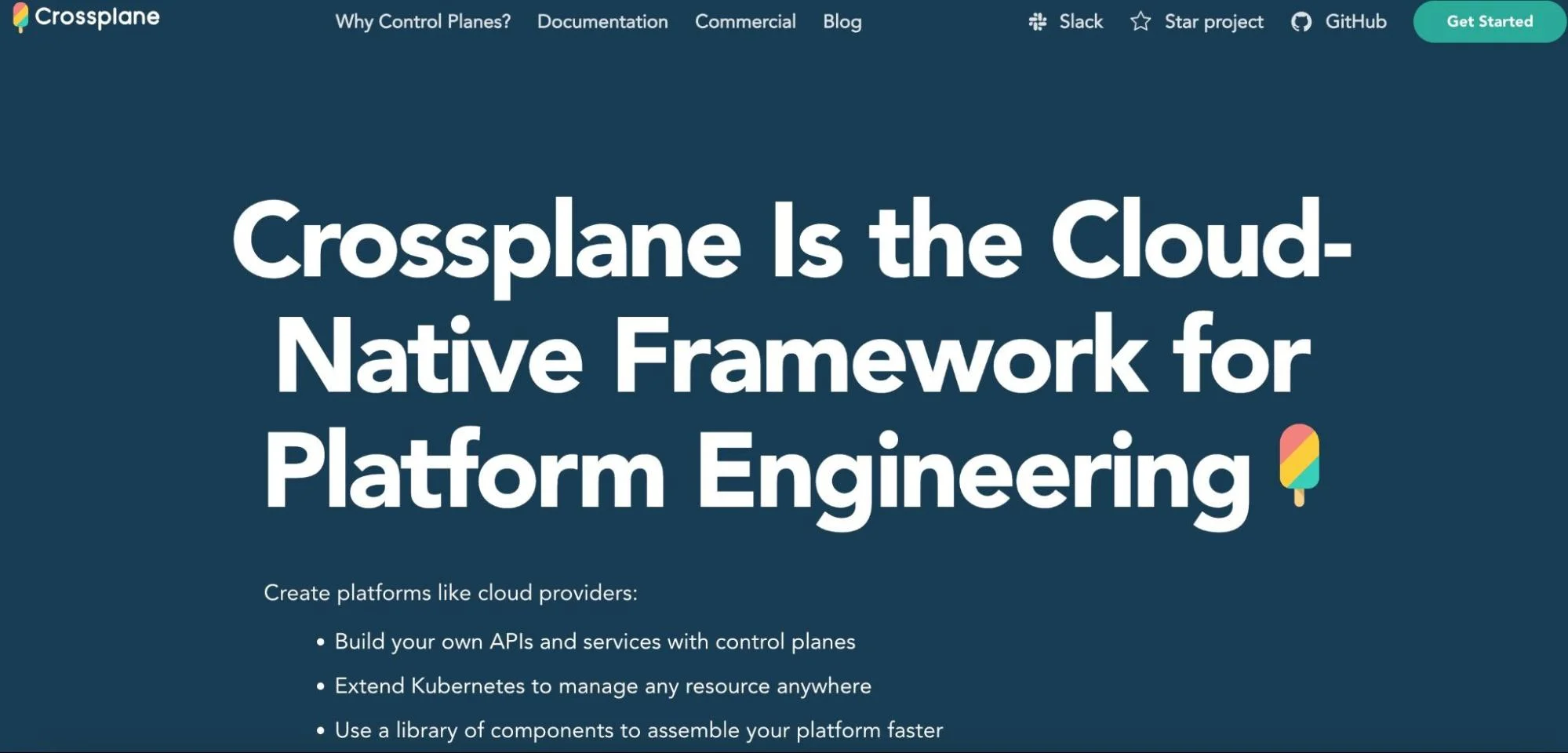
With Crossplane, teams can define infrastructure, such as RDS instances, VPC networks, or storage buckets, as YAML manifests using Custom Resource Definitions (CRDs), similar to deploying applications in Kubernetes.
Among its public adopters are Autodesk, Capital One, and NASA JPL.
Cloud-native alternative: AWS Controllers for Kubernetes (ACK), Azure Service Operator (ASO), and Google Cloud Config Connector
G2 user reviews:
10. Nomad
Nomad is built for performance and simplicity, using a single, lightweight binary that runs on any infrastructure. Its minimal design allows it to scale from a single machine to thousands of nodes with low operational overhead.
Nomad’s decentralized architecture enables fault tolerance and high availability without the heavy dependencies of Kubernetes.
Cloud-native alternatives: Amazon ECS, Azure Kubernetes Service, and GKE
G2 user reviews:
“It is a perfect deployment tool for the implementation team.”
Key Challenges Of Open Source Orchestration Tools: The Visibility Problem
These tools orchestrate how infrastructure and workloads are deployed. But they don’t provide the compute, storage, or networking themselves. For a deeper look at how Kubernetes drives these costs, see our Kubernetes cost management guide.
Think of it like this: Clouds are the stage. Orchestrators are the director. The show runs across AWS, Azure, and GCP — not inside the tool.
Because of that split, telemetry is scattered. Terraform state here. Helm releases there. Argo CD in Git. Cloud bills in another place entirely.
Result: no single pane of truth.
You can deploy fast, but can you answer: Who launched this? What does it cost? Which team owns it? Is it still needed?
Multi-tool stacks magnify the gap. Terraform for infrastructure. Helm for apps. Argo for delivery. Airflow for data. Each has its own language, logs, and lifecycle.
Multi-cloud makes it worse. Different pricing, tags, SKUs, and meters. The same “service” looks different across providers. Comparing cost or performance becomes guesswork.
Kubernetes adds layers. Pods scale automatically. Costs move with the scheduler, not a static server. Labels drift. Namespaces multiply. Finance loses the trail from cluster to workload to customer.
Shadow infrastructure creeps in. Temporary stacks are never torn down. Old helm releases left running. Dev sandboxes promoted to production “just for now.” All billable. None tracked.
Tags and ownership don’t stick. Engineers forget. Standards evolve. Different tools apply different tag schemas. Reports lose the link to teams, features, or customers.
Auditing is brittle. Git shows intent. Cloud shows reality. Drift happens between them. Who changed what, when, and why — often unclear.
Bottom line: Open-source orchestrators speed up delivery, but fragment visibility. To stay fast and accountable, you need a platform that maps deployments to cost, usage, and owners across every cloud and cluster.
Enter CloudZero.
How CloudZero Delivers FinOps Visibility And Accountability In Cloud Orchestration
FinOps aligns engineering speed with financial accountability. It ensures every resource is tied to a team, feature, or customer.
CloudZero makes this possible. It unifies cost data from every cloud and orchestrator into one clear view. Instead of chasing separate logs or bills, you can instantly see how each deployment drives spend.
This means you can finally answer the hard questions:
- Which team’s deployments are driving new costs?
- What’s the cost of a specific Kubernetes service?
- Are we scaling efficiently, or just burning budget?
Through CloudZero CostFormation, every workload inherits business tags such as owner, environment, and purpose. Engineers gain real-time cost insights within their workflows, while finance teams view spend by team, product, or feature.
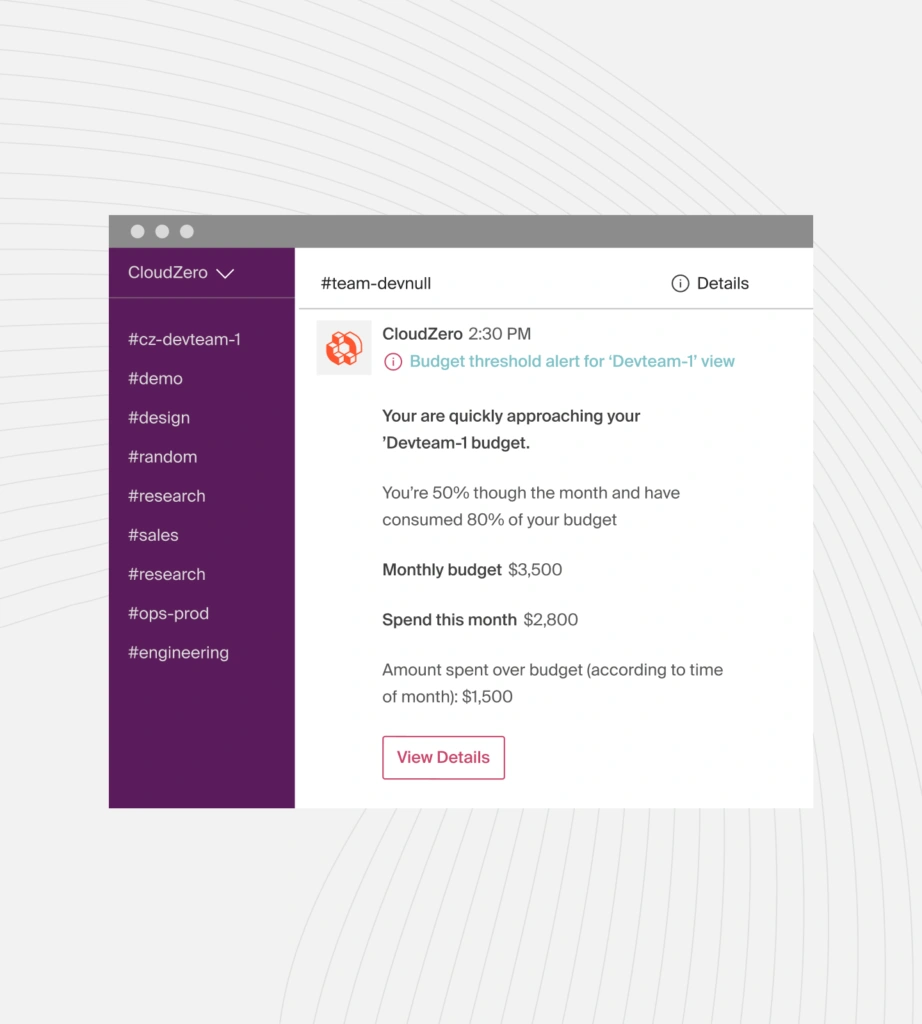
The result: real-time visibility and accountability across even the most complex, multi-cloud orchestration environments.
Ambitious organizations like Drift, Upstart, and Forcepoint empower their engineers to make cost decisions with CloudZero. You can too. Give your teams the visibility to innovate without waste.  .
.