SaaS tools and SaaS platforms enable companies of all sizes to get to market quickly, enhance their service delivery, and improve efficiency. By leveraging “ready-to-go” and “proven” platforms, SaaS companies can also avoid building systems from scratch, which is time-consuming and costly.
Yet, 61% of companies have over 100 SaaS applications, which can be overwhelming to manage. Orphaned subscriptions are also common. Most companies regularly use only about half of their SaaS stack.
In an increasingly competitive SaaS market, you cannot afford to kill time scrolling through hundreds of SaaS products. That is time you could use to develop better customer experiences, new releases, or security patches.
So in this post, we’ve compiled the top SaaS tools for startups and established companies by category, so you don’t have to. Just pick the right ones for your needs to enhance your efficiency, make informed business decisions, and amplify your growth.
Cloud Cost Management Tools For SaaS
There are many cloud cost optimization solutions available today, from AWS to hybrid and multi-cloud solutions. Check out these tools if you’re looking to optimize costs on Amazon Web Services (AWS).
1. CloudZero – Cloud cost intelligence platform
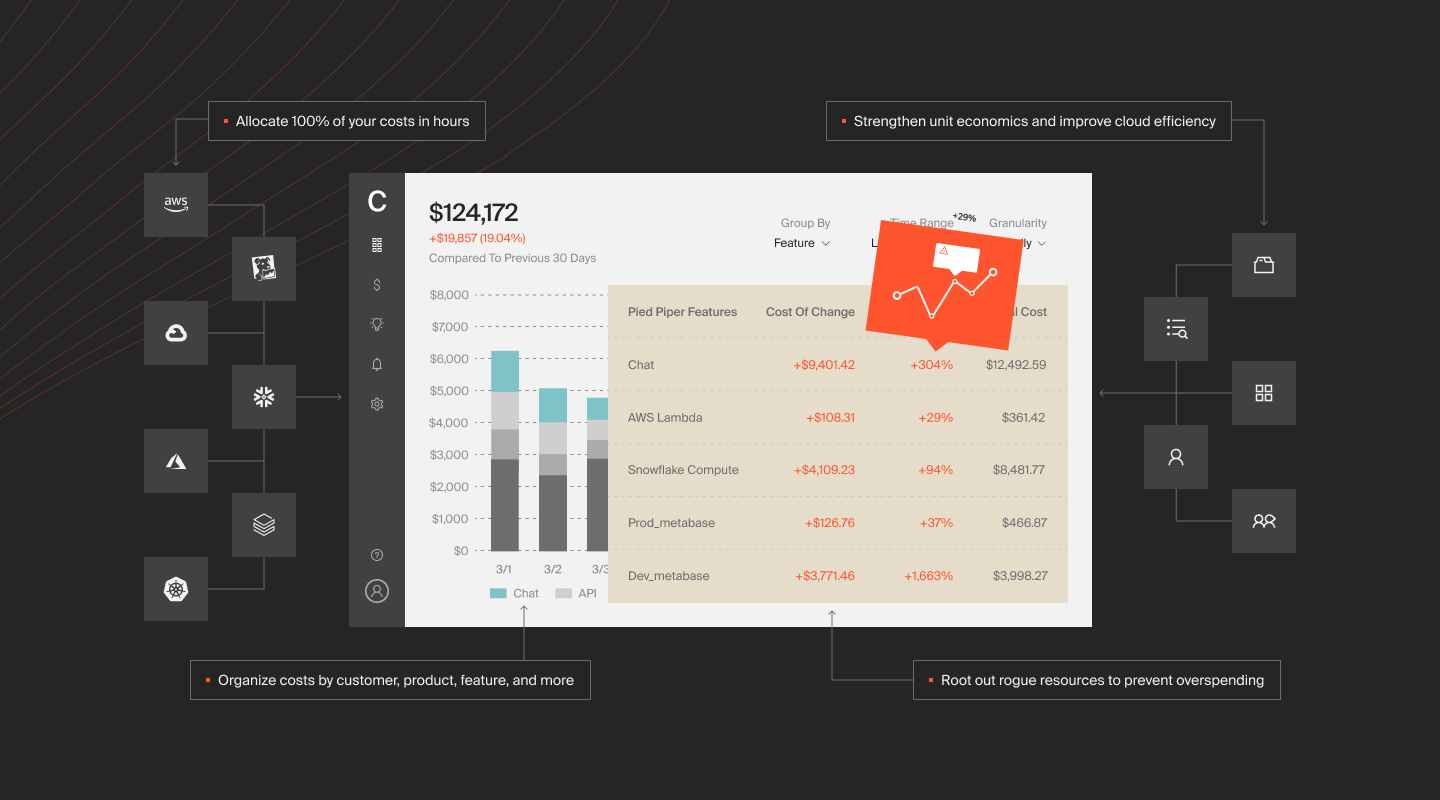
CloudZero is a modern cloud cost intelligence platform designed to help SaaS teams maximize their return on investment in AWS, Kubernetes, and Snowflake.
CloudZero automatically aligns AWS usage and cost data to the products, processes, and people behind them. This lets you know where your cloud dollars are going. Cost anomaly alerts also notify your team about cost spikes in your AWS environment, which can help you prevent overspending.
The platform’s cloud cost intelligence approach presents cost information in a granular form, so you can measure:
- Cost per customer
- Cost per product
- Cost per feature
- Cost per deployment
- Cost per environment
Additionally, your finance team can use this data to recommend cost-effective SaaS pricing that will protect your margins.
Furthermore, your executive team and board can see the overall and departmental cost of goods sold (COGS), gross margin performance, and which customer segments are most profitable. This is vital information for SaaS businesses seeking to grow.
Schedule a demo to see CloudZero in action.
2. Xosphere – AWS Spot Instances orchestrator
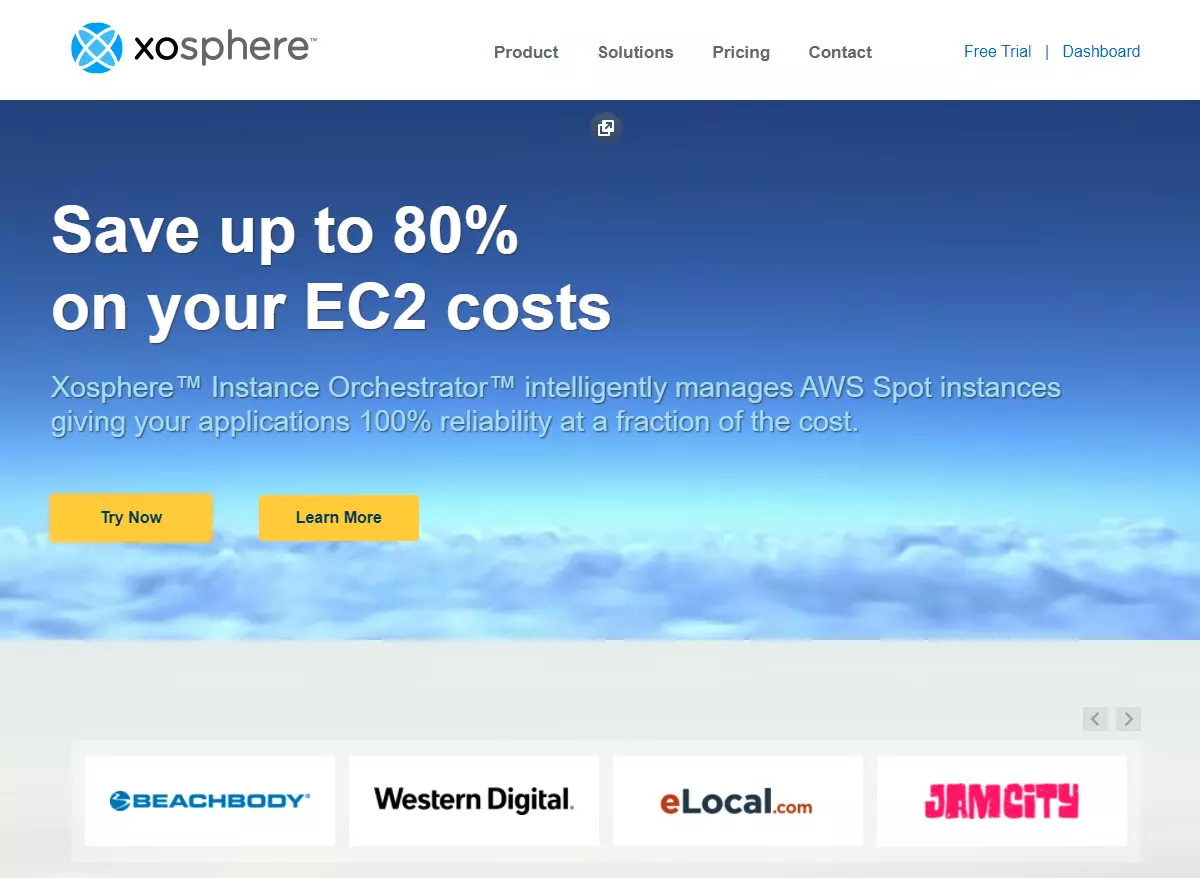
Xosphere switches your AWS compute instances from On-Demand instances to Spot instances when the latter are more affordable. By automating the transition back to On-Demand instances, Xosphere minimizes downtime and maximizes performance when spot instance prices become unreasonable.
3. ProsperOps – AWS Reserved Instances and Savings Plans optimization
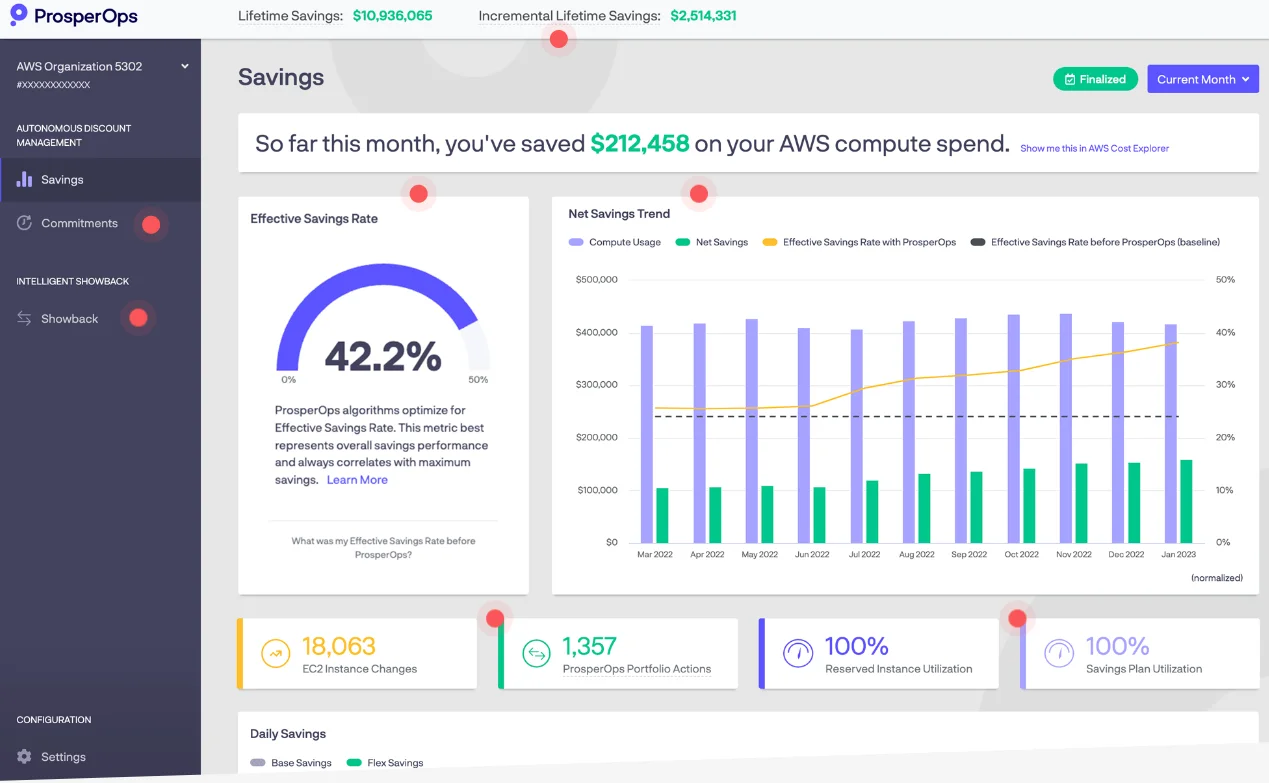
ProsperOps financial management platform enables you to optimize AWS Reserved Instances and Savings Plans without manual intervention from your FinOps or DevOps teams. It then dynamically re-allocates the savings benefits to match the changing needs of your cloud environment.

Research Report
FinOps In The AI Era: A Critical Recalibration
What 475 executives told us about AI and cloud efficiency.
AI And LLM Productivity Tools
AI tools have rapidly become essential across every SaaS function — from engineering and product to marketing and customer support. These platforms leverage large language models and generative AI to automate tasks, accelerate workflows, and augment decision-making at scale.
4. ChatGPT (OpenAI) – AI assistant for general productivity
ChatGPT is OpenAI’s conversational AI assistant used by millions of teams for drafting content, analyzing data, brainstorming, coding, and automating repetitive workflows. With GPT-4o and custom GPTs, teams can build tailored AI assistants for specific business functions without writing code.
ChatGPT alternatives: Google Gemini and Perplexity.
5. Claude (Anthropic) – AI for enterprise analysis, coding, and content
Claude is Anthropic’s AI assistant built for nuanced analysis, long-document processing, and complex reasoning. Claude excels at tasks requiring careful attention to detail — code reviews, contract analysis, research synthesis, and content production. Its extended context window handles book-length inputs, making it particularly useful for enterprise teams working with large datasets and documents.
6. GitHub Copilot – AI pair programming
GitHub Copilot is an AI-powered code completion tool that integrates directly into your IDE. It suggests whole functions, writes boilerplate, generates tests, and explains unfamiliar codebases. For SaaS engineering teams, Copilot can significantly reduce time spent on routine coding tasks so developers can focus on architecture and problem-solving.
7. Jasper – AI content generation for marketing
Jasper is purpose-built for marketing teams that need to produce brand-consistent content at scale. It offers campaign workflows, brand voice controls, and templates for ads, blog posts, emails, and social media — all powered by AI. Jasper integrates with tools like Surfer SEO and Grammarly to streamline content production from draft to publish.
Jasper alternatives: Writer, Copy.ai, and Writesonic.
8. Writer – Enterprise AI writing platform
Writer provides enterprise-grade AI writing with built-in brand governance, style guides, and terminology management. Unlike general-purpose AI tools, Writer is designed for organizations that need consistent, on-brand content across large teams — with compliance controls, approval workflows, and integrations into existing content stacks.
Cybersecurity And Identity Management
Every SaaS company needs to protect its infrastructure, data, and users. These tools cover identity management, endpoint security, application security, and credential management — all critical as cloud-native architectures and remote workforces expand attack surfaces.
9. Okta – Identity and access management
Okta provides single sign-on (SSO), multi-factor authentication, and lifecycle management for employees and customers. For SaaS companies, Okta secures access across internal tools and customer-facing applications while simplifying user provisioning and deprovisioning as teams scale.
Okta alternatives: Microsoft Entra ID, OneLogin, and JumpCloud.
10. 1Password – Password and secrets management
1Password secures passwords, API keys, SSH keys, and other credentials across teams. Its developer tools integrate secrets management directly into CI/CD pipelines and infrastructure, while its business tier provides admin controls, usage reports, and policy enforcement across the organization.
1Password alternatives: LastPass, Bitwarden, and Dashlane.
11. CrowdStrike – Endpoint security and threat intelligence
CrowdStrike provides cloud-native endpoint protection, threat detection, and incident response through its Falcon platform. For SaaS companies running distributed teams on company-managed devices, CrowdStrike offers real-time visibility into threats across every endpoint without the performance overhead of legacy antivirus.
CrowdStrike alternatives: SentinelOne, Carbon Black, and Palo Alto Networks.
12. Snyk – Developer-first application security
Snyk finds and fixes vulnerabilities in open-source dependencies, container images, infrastructure as code, and proprietary code — all within the developer workflow. It integrates into Git repos, IDEs, and CI/CD pipelines so security issues are caught before they ship, not after.
Snyk alternatives: Wiz, Aqua Security, and SonarQube.
Business Intelligence And Data Analytics
Data-driven decision-making requires tools that can ingest, model, and visualize data from across your SaaS stack. These platforms help teams move from gut-feel decisions to evidence-based strategy — across engineering, finance, product, and go-to-market functions.
13. Tableau – Data visualization and business intelligence
Tableau is the industry standard for interactive data visualization. Teams can connect to virtually any data source — cloud databases, spreadsheets, APIs — and build dashboards that make complex data accessible to non-technical stakeholders. Its drag-and-drop interface and powerful calculated fields make it suitable for everything from executive reporting to deep operational analysis.
14. Looker – Analytics platform (Google Cloud)
Looker is Google Cloud’s analytics platform built on a semantic modeling layer (LookML) that ensures consistent metric definitions across an organization. For SaaS companies already invested in Google Cloud or BigQuery, Looker provides a unified analytics experience that scales from ad hoc exploration to embedded customer-facing analytics.
15. Metabase – Open-source BI for startups and mid-market
Metabase makes it easy for anyone on the team to ask questions of your data without writing SQL. It connects directly to your database, offers a visual query builder, and lets you build dashboards and share insights — all with a free, open-source tier that’s generous enough for most startups.
Other BI tools to consider: Power BI, Sigma Computing, and Mode.
Engineering Tools For SaaS Teams
Developing software requires various technical tools, especially if you follow DevOps best practices. We recently shared 55 top DevOps tools, ranging from configuration management to CI/CD and security. Let’s take a look at a few that stand out.
16. GitHub – Code repository, version control, and collaboration platform
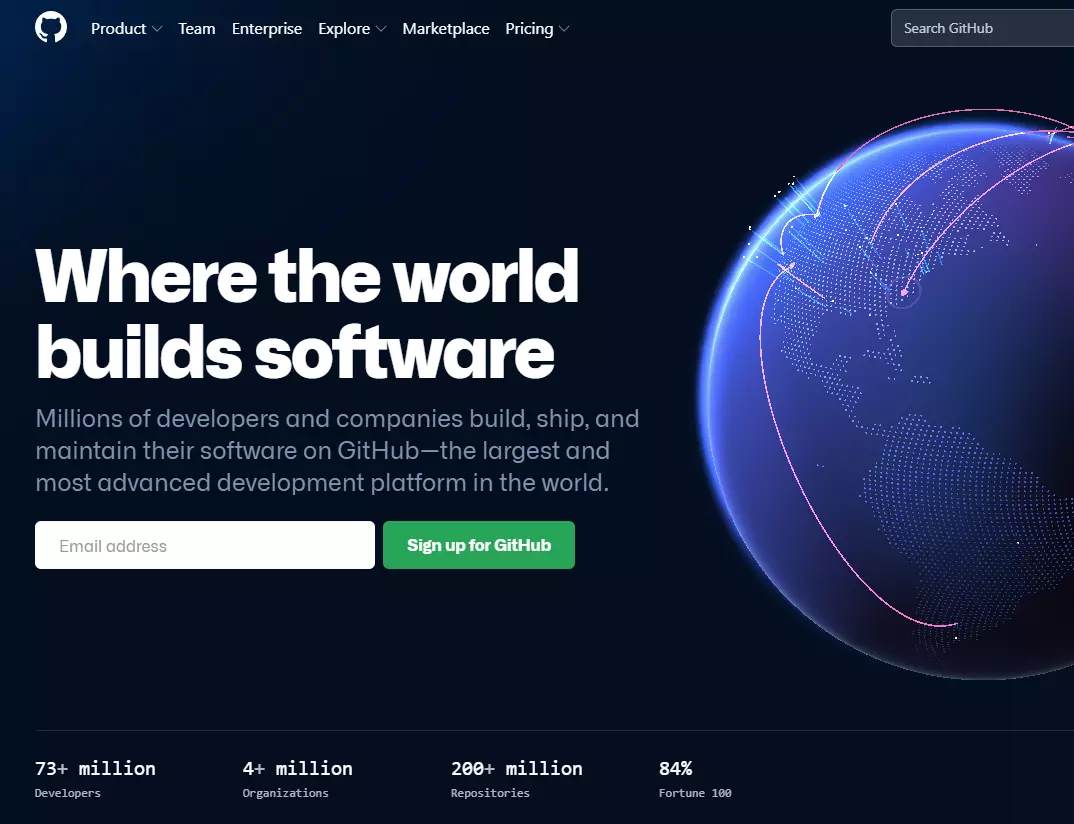
GitHub is a cloud-only software development platform for distributed teams that want to build, ship, and maintain code efficiently. GitHub is remarkably resourceful for developers who wish to collaborate on open-source projects, thanks to its vast developer community.
GitHub alternatives: GitLab (on-premise and cloud-based), Bitbucket, SourceForge, and AWS CodeCommit.
17. Jenkins – Open-source automation tool for software development
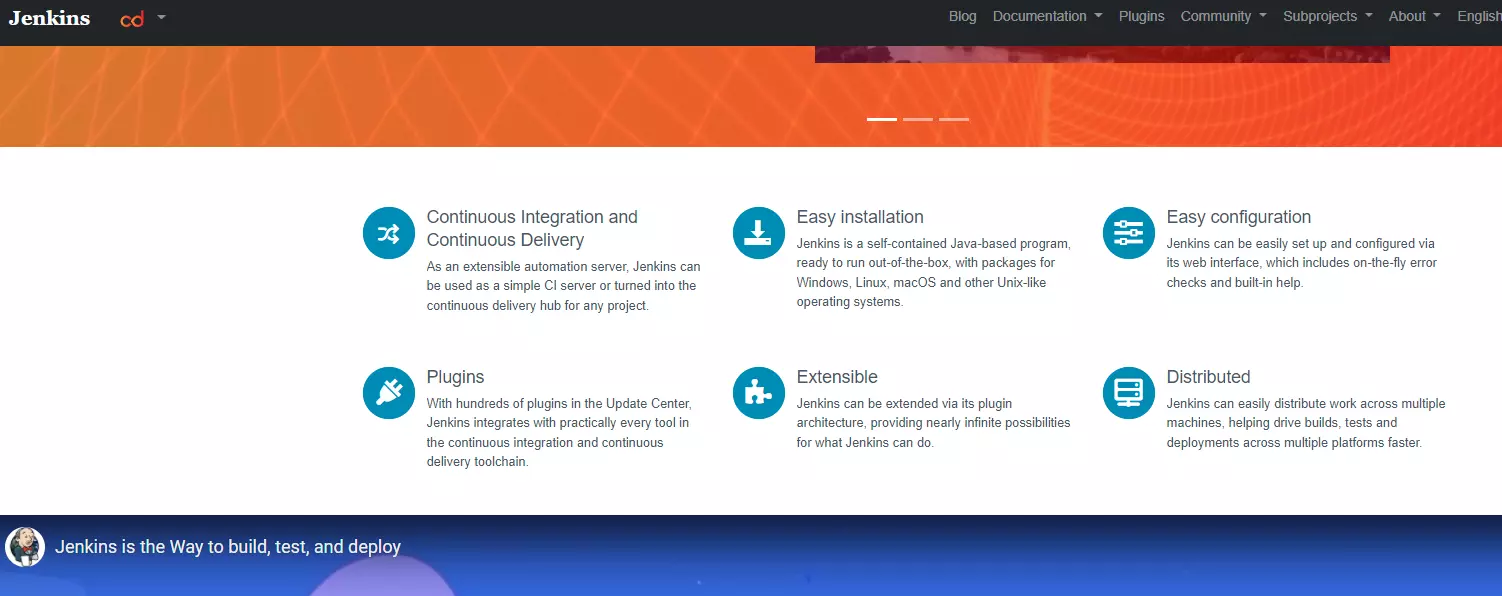
Jenkins allows developers to automate many steps in the software development lifecycle, from building to deployment. Any machine can use this self-contained automation server provided it has Java Runtime Environment installed, in native system packages, or through Docker.
18. CircleCI – Continuous Integration platform
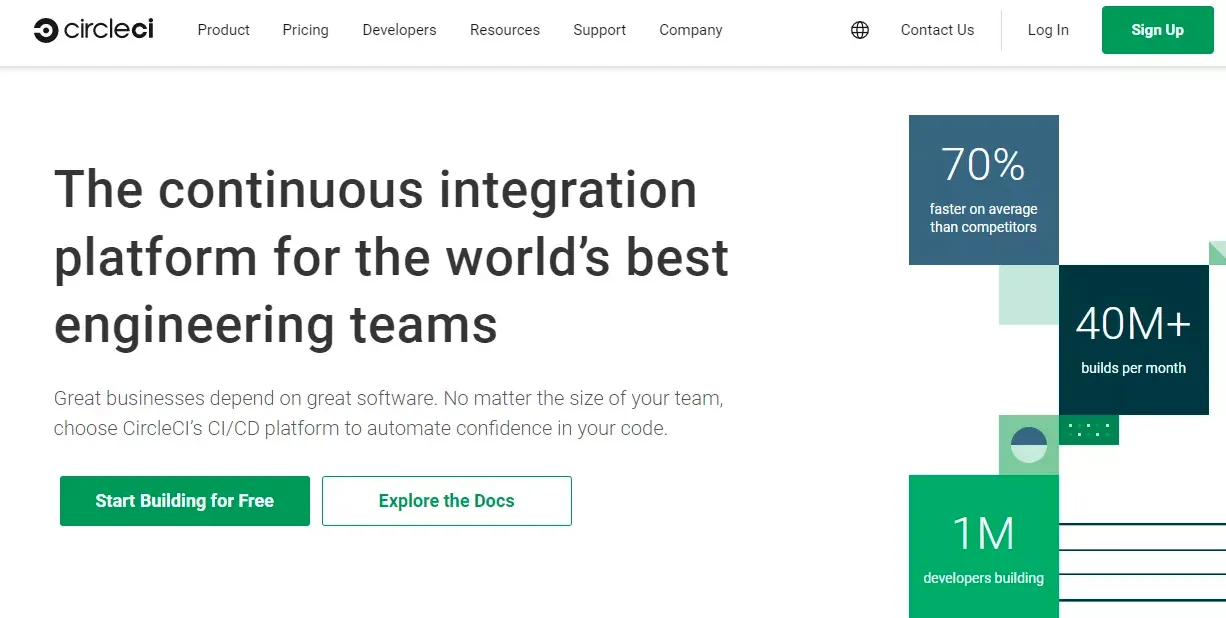
Engineering teams can build, test, and deploy code changes quickly and efficiently with CircleCI. It is FedRAMP-approved and compliant with SOC 2 Type II. You can use it to orchestrate custom jobs on Linux, Windows, and macOS infrastructure or in the cloud.
19. Postman – API development and testing platform
Postman is the most widely used platform for API development. Teams can design, test, document, and monitor APIs from a single workspace. Its collaboration features let engineers share collections, mock servers, and environment configs — making it essential for SaaS companies building and consuming APIs at scale.
20. Linear – Modern issue tracking for product teams
Linear is a fast, streamlined issue tracker built for modern software teams. Its keyboard-driven interface, automatic workflows, and cycle-based planning help engineering teams ship faster with less process overhead. Linear has quickly become the preferred Jira alternative for startups and growth-stage SaaS companies that want speed without sacrificing structure.
Other crucial tools to consider are Terraform, Jira, Aha!, and Deploybot.
Data Infrastructure
Modern SaaS companies generate vast amounts of data across product, operations, and customer interactions. These tools form the backbone of your data stack — storing, transforming, and making data accessible for analytics, machine learning, and business intelligence.
21. Snowflake – Cloud data warehouse
Snowflake is a cloud-native data warehouse that separates storage and compute, letting you scale each independently. SaaS companies use Snowflake to consolidate data from multiple sources — product databases, marketing platforms, billing systems — into a single queryable layer. Its data sharing capabilities also make it easy to collaborate with partners and customers.
Snowflake alternatives: Databricks, BigQuery, and Amazon Redshift.
22. dbt – Data transformation layer
dbt (data build tool) lets analytics engineers transform raw data in your warehouse using SQL and version-controlled models. It brings software engineering best practices — testing, documentation, modularity — to the data transformation layer. For SaaS teams, dbt is the glue between raw data ingestion and the clean, trustworthy datasets your BI tools depend on.
Other data infrastructure tools: Fivetran (data ingestion), Airbyte (open-source ETL), and Stitch.
Product Management Solutions
Product management software helps product managers and their teams with prototyping, roadmapping, development tracking, and product analytics. While some platforms are specialists, others aim to be a single source of truth for all things product management. Here are a few to consider.
23. ProductBoard – Product design and building platform
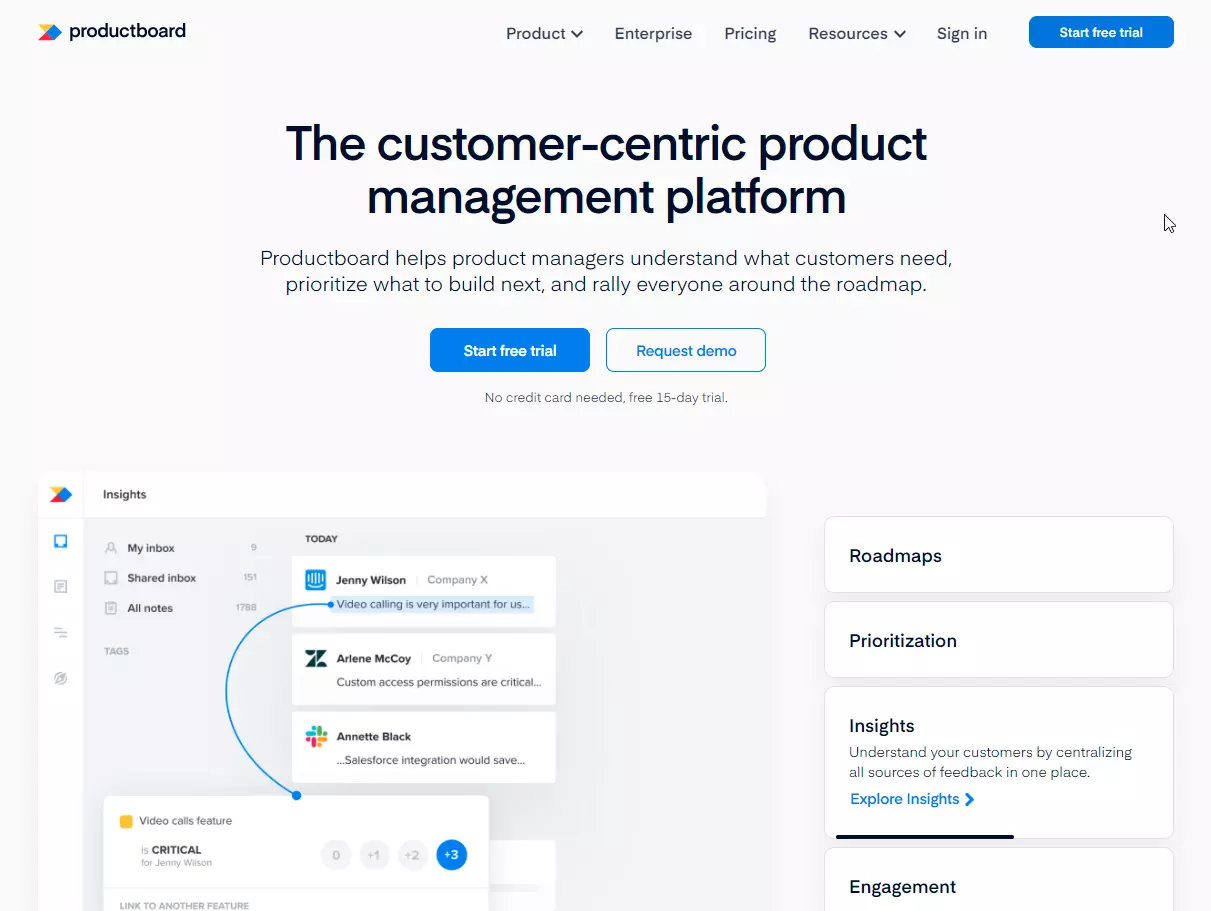
Product Board provides a platform for designing and building products that resonate with customers’ needs. Product managers can use it to align their teams with roadmaps, prioritize tasks, and provide timely feedback. It supports multiple integrations designed to help develop profitable products.
24. Amplitude – Product analytics platform
Amplitude helps product teams understand user behavior, measure feature adoption, and identify what drives retention and conversion. Its behavioral cohorts, funnel analysis, and experimentation tools let product managers make data-backed decisions about what to build, what to improve, and what to cut.
Amplitude alternatives: PostHog, Heap, and FullStory.
25. Dragonboat – Product portfolio management
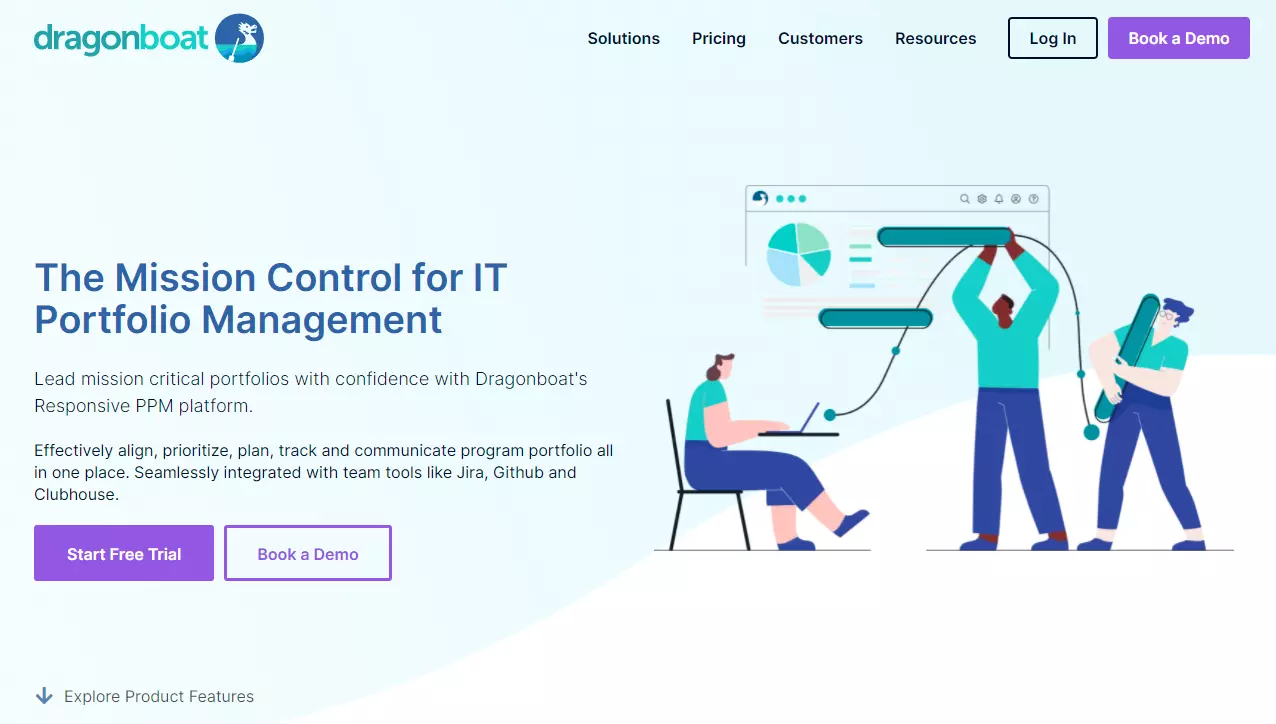
With Dragonboat, you can connect OKRs, customer insights, and product strategy to your Agile development process. You can also integrate Dragonboat with team tools like JIRA, Clubhouse, and GitHub for progress tracking, collaboration, and prioritizing your product development lifecycle.
Other product management tools include Productific, ProductPlan, and Craft.io.
Revenue Intelligence And Sales Engagement
Modern B2B SaaS sales teams need more than CRM data entry. Revenue intelligence platforms capture and analyze customer interactions — calls, emails, meetings — to surface deal insights, forecast revenue accurately, and coach reps based on what’s actually happening in conversations.
26. Gong – Conversation intelligence
Gong records, transcribes, and analyzes sales calls and meetings to reveal what top performers do differently. Sales leaders use Gong to coach reps, identify deal risks, and understand which messaging resonates with buyers. Its AI-driven insights turn qualitative conversation data into actionable patterns across your entire pipeline.
27. Clari – Revenue operations platform
Clari provides revenue leaders with AI-powered forecasting, pipeline inspection, and deal intelligence. It ingests signals from CRM, email, calendar, and conversation data to give a real-time view of revenue health — replacing spreadsheet-based forecasting with predictive analytics that improve accuracy quarter over quarter.
28. Apollo.io – Sales intelligence and outreach
Apollo.io combines a B2B contact database with multichannel outreach capabilities — email sequences, phone dialing, and LinkedIn automation. For SaaS sales teams, it replaces the need for separate prospecting and outreach tools by providing verified contacts, intent signals, and automated follow-ups in one platform.
Apollo.io alternatives: ZoomInfo, Lusha, and Outreach.
Sales Software For SaaS Businesses
Choosing the right SaaS sales tool for your company can help you nurture quality leads through your sales funnel, manage customer relationships, and retain customers. The following SaaS products can help your sales heroes boost revenue.
29. ClickFunnels – Online sales funnel builder
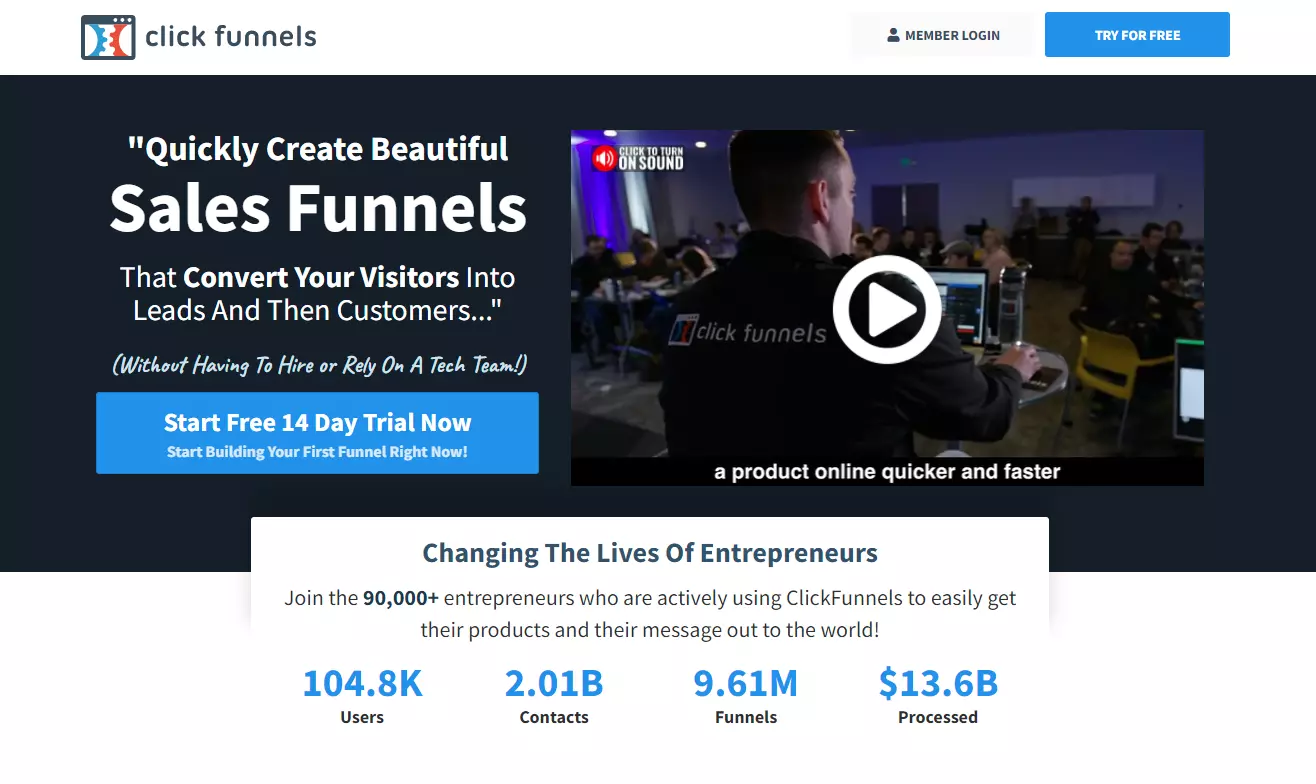
ClickFunnels helps nurture your leads throughout your sales funnel, converting them into repeat customers. It offers email list building, one-click upsells, cart abandonment sequences, landing pages, and sales page tools, among its many features.
30. SalesMate – Customer journey platform with sales CRM
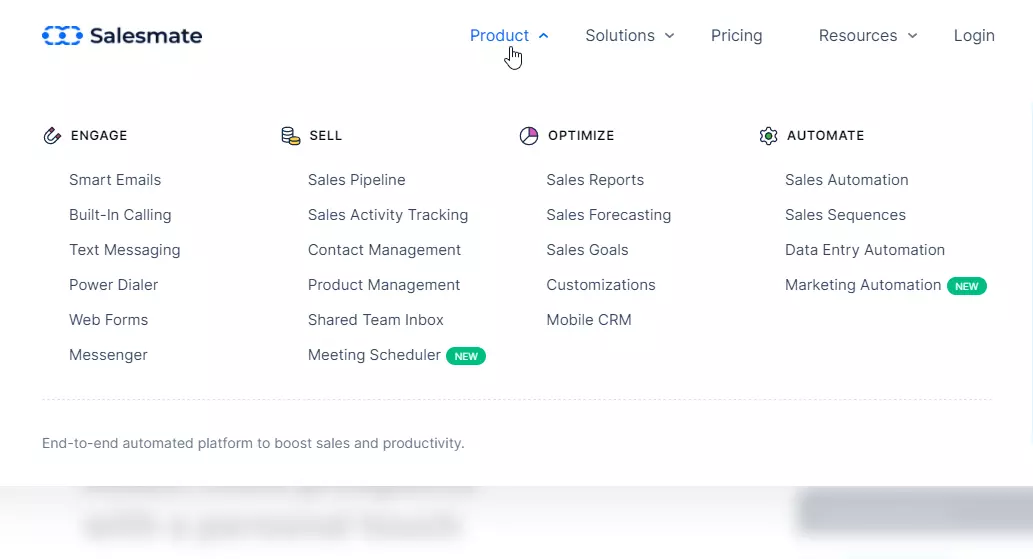
Understanding your customers will help you tailor your messaging, offers, and follow-ups. Cloud-based CRM provider SalesMate offers sales teams a way to automate targeted email campaigns, phone calls, text messages, and other communications with new and existing customers.
31. Pipedrive – Sales pipeline builder and manager with analytics
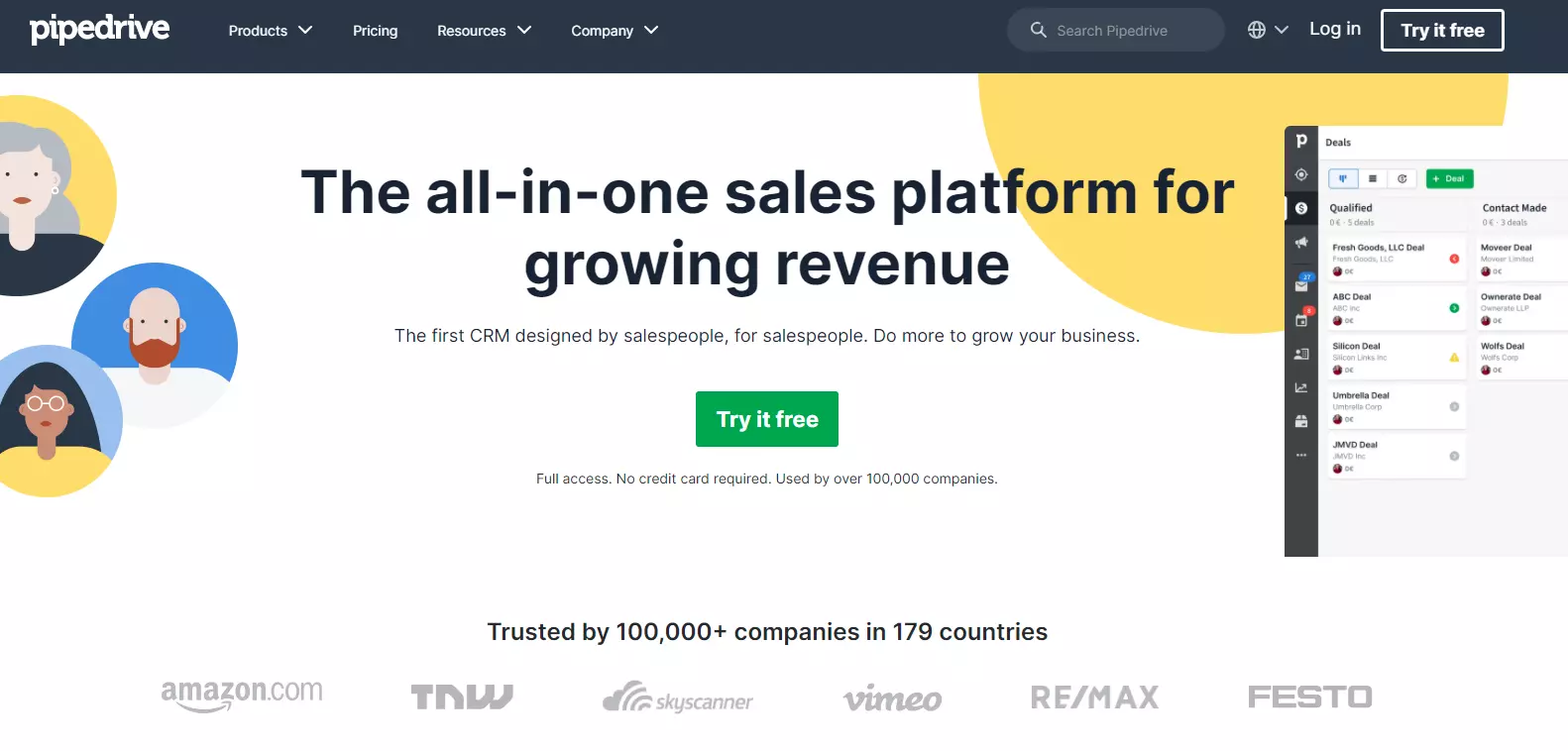
You can use Pipedrive to create sales pipelines with custom fields and stages. It also includes a sales-optimized CRM to help you personalize your offers at just the right point in your lead’s journey.
Pipedrive competitors: Freshsales, FunnelFly, Custify, and SalesHandy.
CRM Software For SaaS Companies
Customer relationship management tools help you learn more about your customers, so you can tailor your services to meet their needs. Here are some CRM solutions to consider.
32. Salesforce – All-in-one CRM
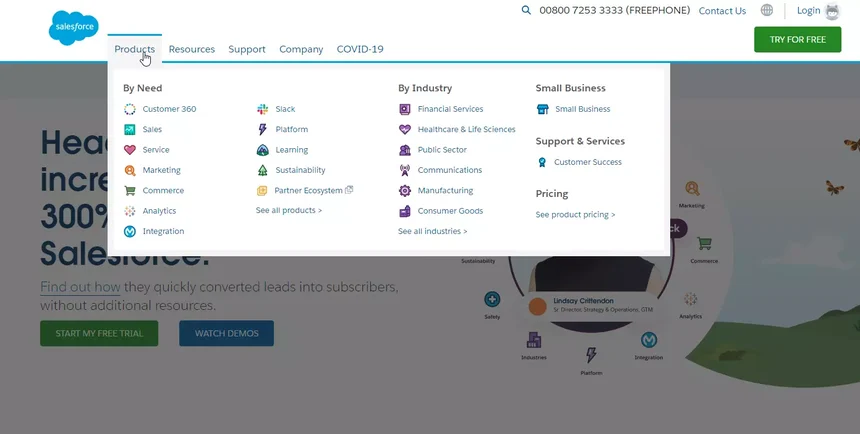
Salesforce initially gained traction as a sales-oriented CRM platform but has since become a universal platform to integrate CRM technology across an organization.
Salesforce alternatives: ZenDesk, Zoho CRM, and SugarCRM.
33. HubSpot CRM – Customer engagement and growth
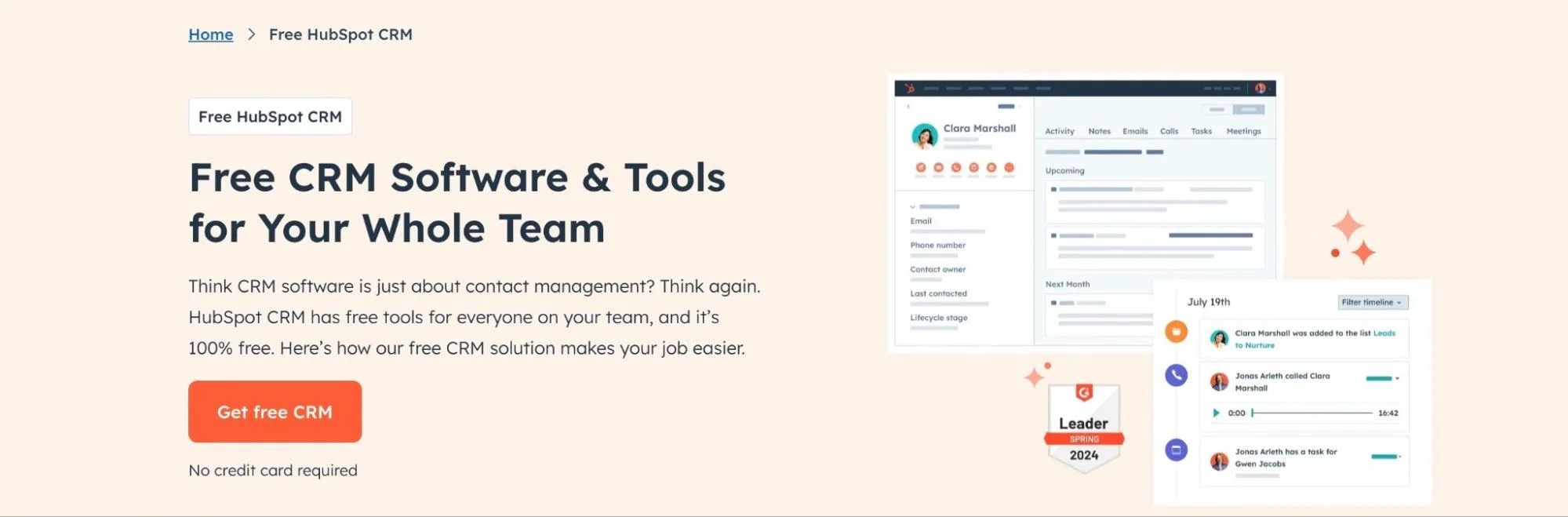
HubSpot CRM is known for its ease of use, scalability, and robust integrations with tools such as Stripe, Slack, and Zapier. Its free CRM plan is perfect for startups, providing a strong foundation to manage basic operations before transitioning to more advanced features. HubSpot’s comprehensive reporting and analytics further empower SaaS teams to optimize customer acquisition, activation, and retention strategies, making it an invaluable tool for driving sustainable growth.
34. Bitrix24 – Complete CRM, collaboration, and communication platform
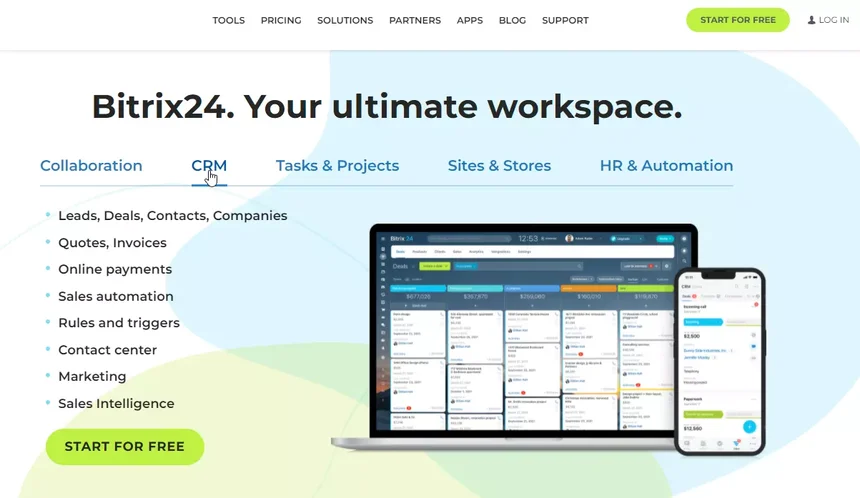
For small or medium-sized SaaS, Bitrix24 offers a suite that includes CRM, chat, project management, calendar, and more tools in one platform, so you don’t have to juggle multiple tools.
Customer Success Platforms
Customer success is distinct from customer service. While service teams react to support tickets, customer success teams proactively monitor account health, drive adoption, and reduce churn. These platforms give CS teams the data and workflows to retain and expand revenue from existing customers.
35. Gainsight – Customer success management
Gainsight is the category leader in customer success software. It aggregates data from your product, CRM, support, and billing systems into a single health score per account. CS teams use Gainsight to automate playbooks for at-risk accounts, track adoption milestones, and manage renewals and expansion opportunities.
36. ChurnZero – Real-time customer success for SaaS
ChurnZero provides real-time alerts, automated journeys, and in-app communications to help customer success teams engage users before they churn. Its usage tracking and segmentation tools let CS managers focus their time on accounts that need attention most, rather than relying on gut feel or lagging indicators.
Customer success alternatives: Totango, Vitally, and Planhat.
User Onboarding, Customer Engagement, And Activity Monitoring
A challenge SaaS businesses face is that they seldom have a direct line of communication with customers. The smoother the customer experience, the more likely they will renew their subscriptions and refer you to others. With these solutions, you can find out what your customers want from your product or feature to meet their expectations.
37. UserGuiding – User onboarding software
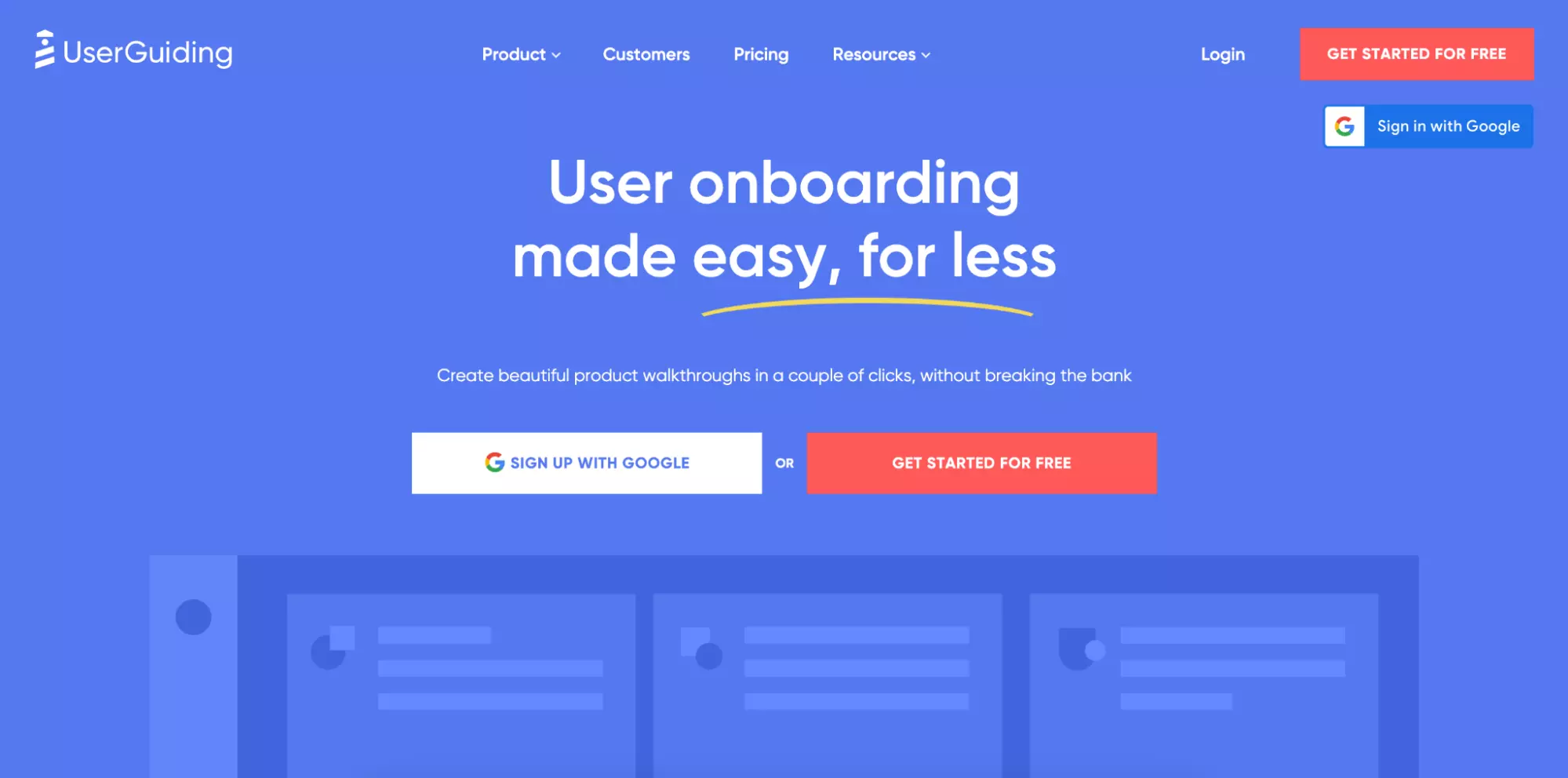
You can use UserGuiding to create product walkthroughs and provide personalized customer training without coding. Besides better in-app experiences, UserGuiding can also help reduce support calls and increase feature activation upon customer onboarding. You can also collect information about how users interact with your product features and improve them accordingly.
SaaS products similar to UserGuiding: UserPilot, HotJar, Piwik, Qualaroo, Pendo, Heap, and Chameleon.
38. MixPanel – User interaction analytics for web and mobile
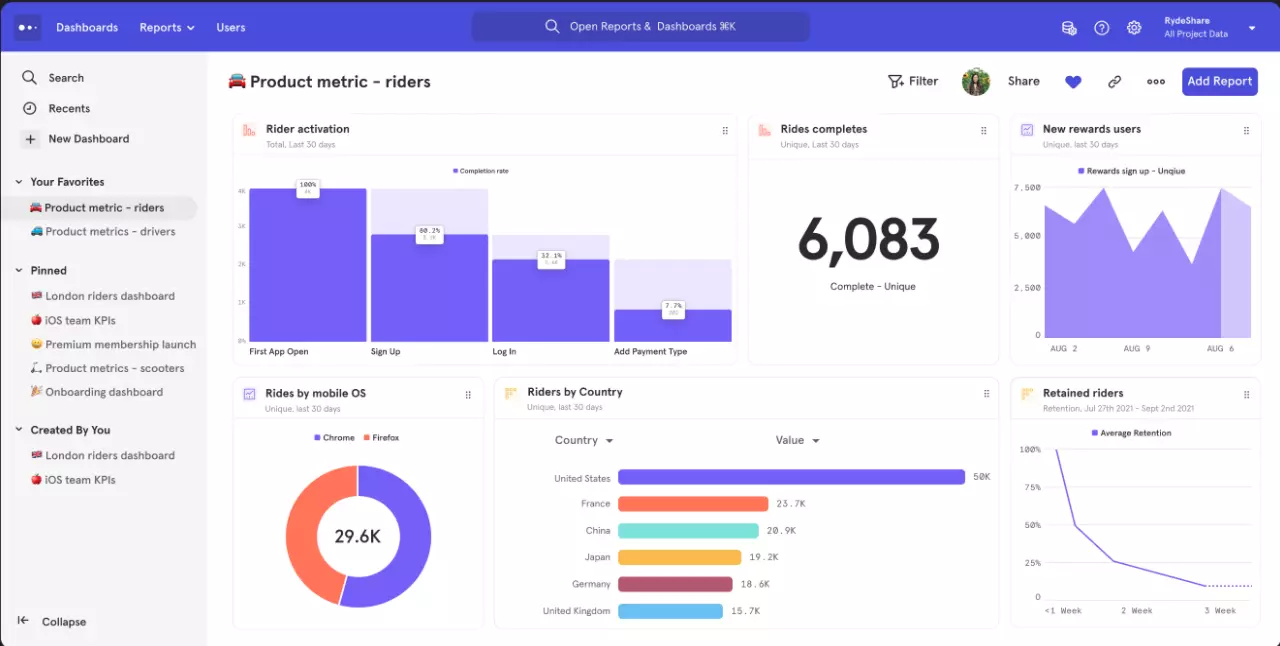
Using MixPanel, you can monitor and analyze how users interact with your internet-connected product in real-time. As a result, you can better understand your users’ behavior, so you can continuously improve how you deliver your most in-demand features.
39. Navattic – Product demos software
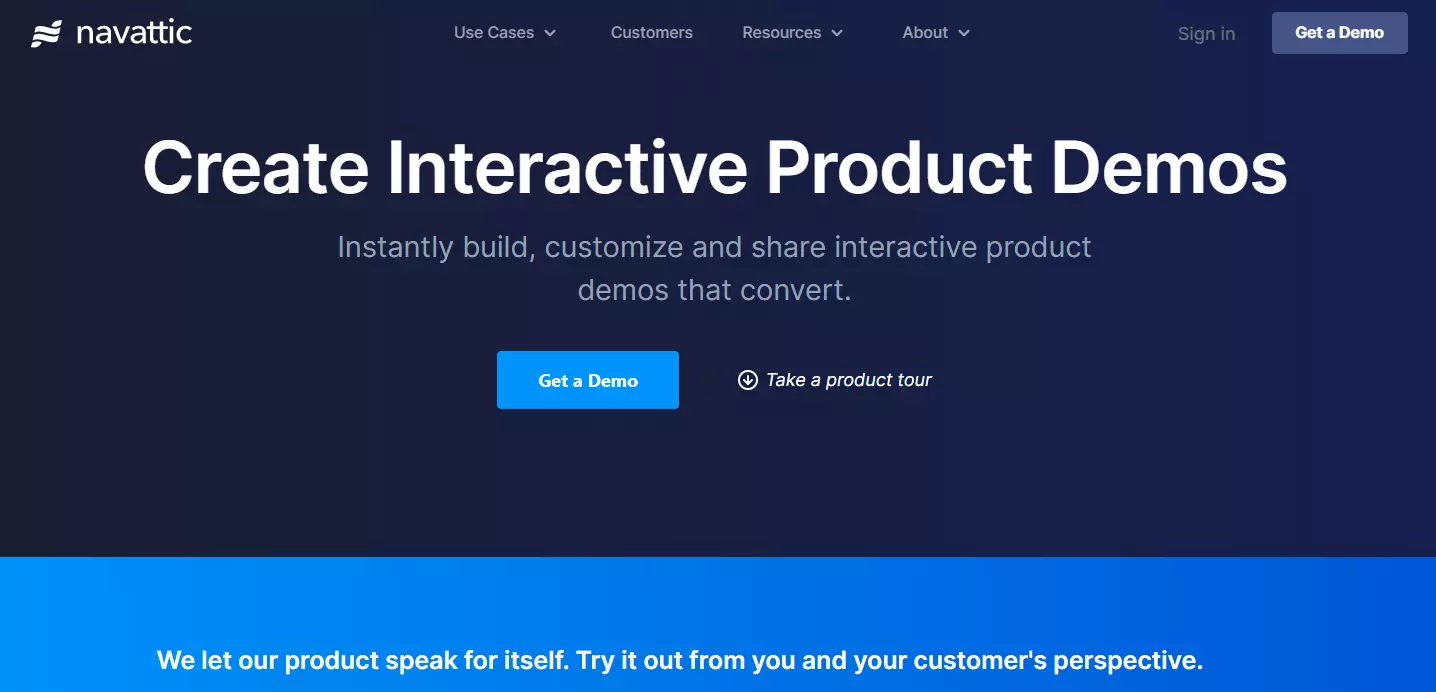
Navattic helps you create interactive and shareable product demos that encourage customer engagement, product adoption, and user activation. You can enable potential customers to take product tours by including the tours in your sales and marketing materials, helping you leverage product-driven growth.
40. SolarWinds – Real-time hybrid end-user monitoring for engineers
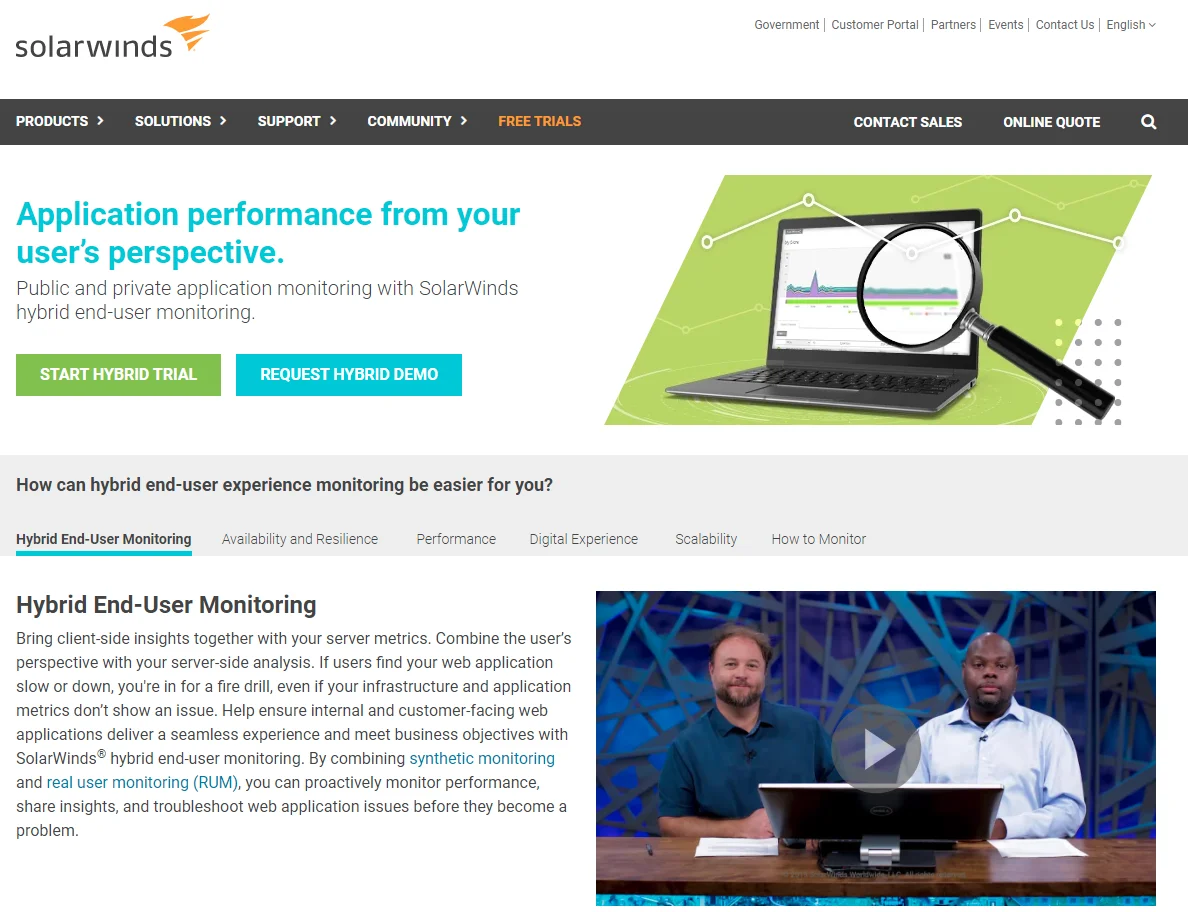
SolarWinds’ end-user monitoring provides DevOps teams with insights into problems users could encounter when navigating your application or website.
Sematext, Splunk, and DataDog are other tools that provide real user monitoring (RUM) for engineers.
Email And SaaS Marketing Tools And Automation
You can use these tools to launch outreach and inbound campaigns with customized templates, personalized messaging, and maximum deliverability.
41. Mailshake – Automated email prospecting tool
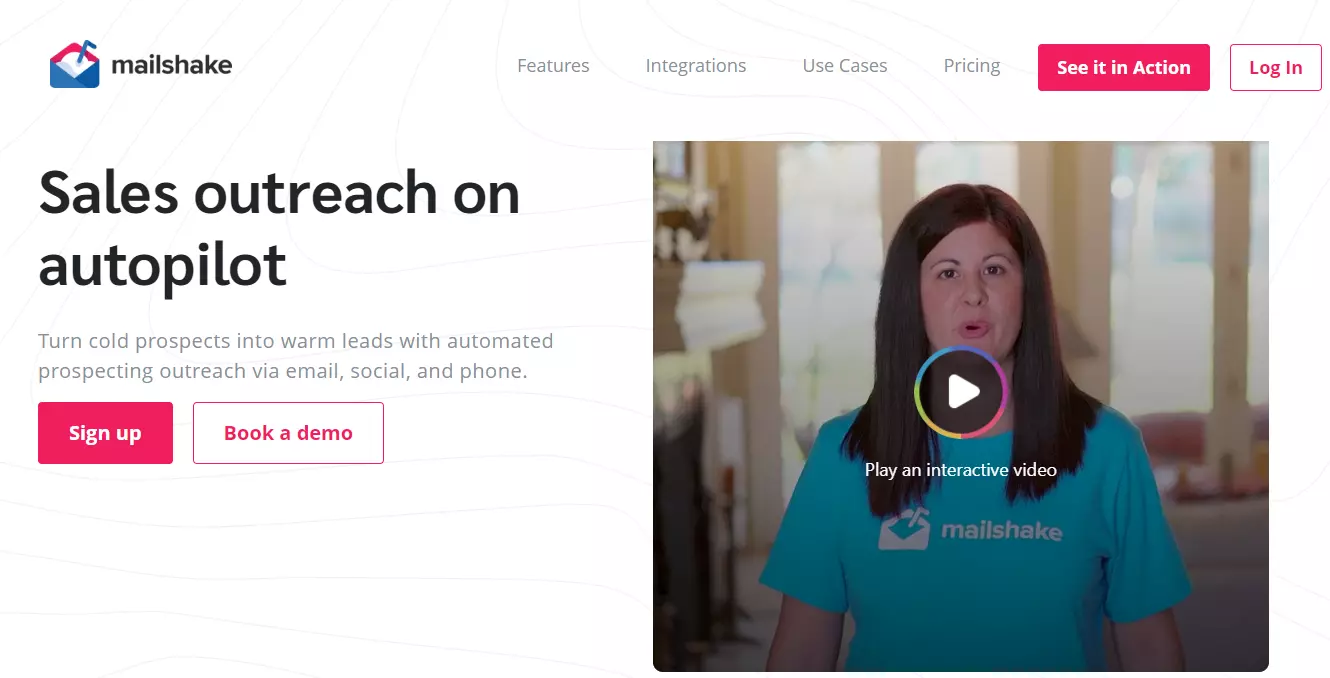
Mailshake offers email, phone, and social conversion tools to convert cold emails into warm lead-generation tools while you focus on improving your product features. It also provides lead segmentation, A/B testing, and fully automated follow-ups to increase conversions.
42. Unbounce – Landing page builder
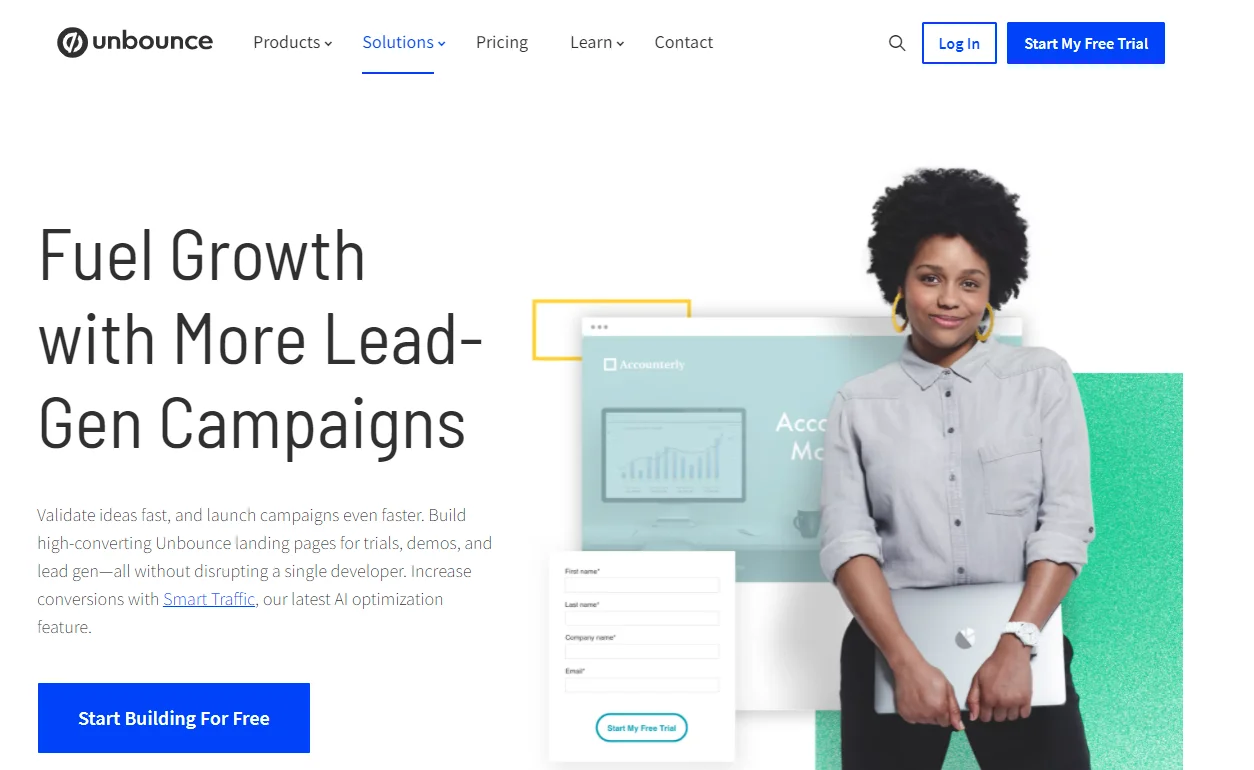
The Unbounce marketing platform helps you build relevant landing pages for your offerings, target audiences, or product features. This makes Unbounce a powerful conversion optimization feature for demos and trials, making it an invaluable addition to your lead generation stack.
Unbounce competitors: LeadPages and Instapage.
43. GetResponse – All-in-one marketing automation solution
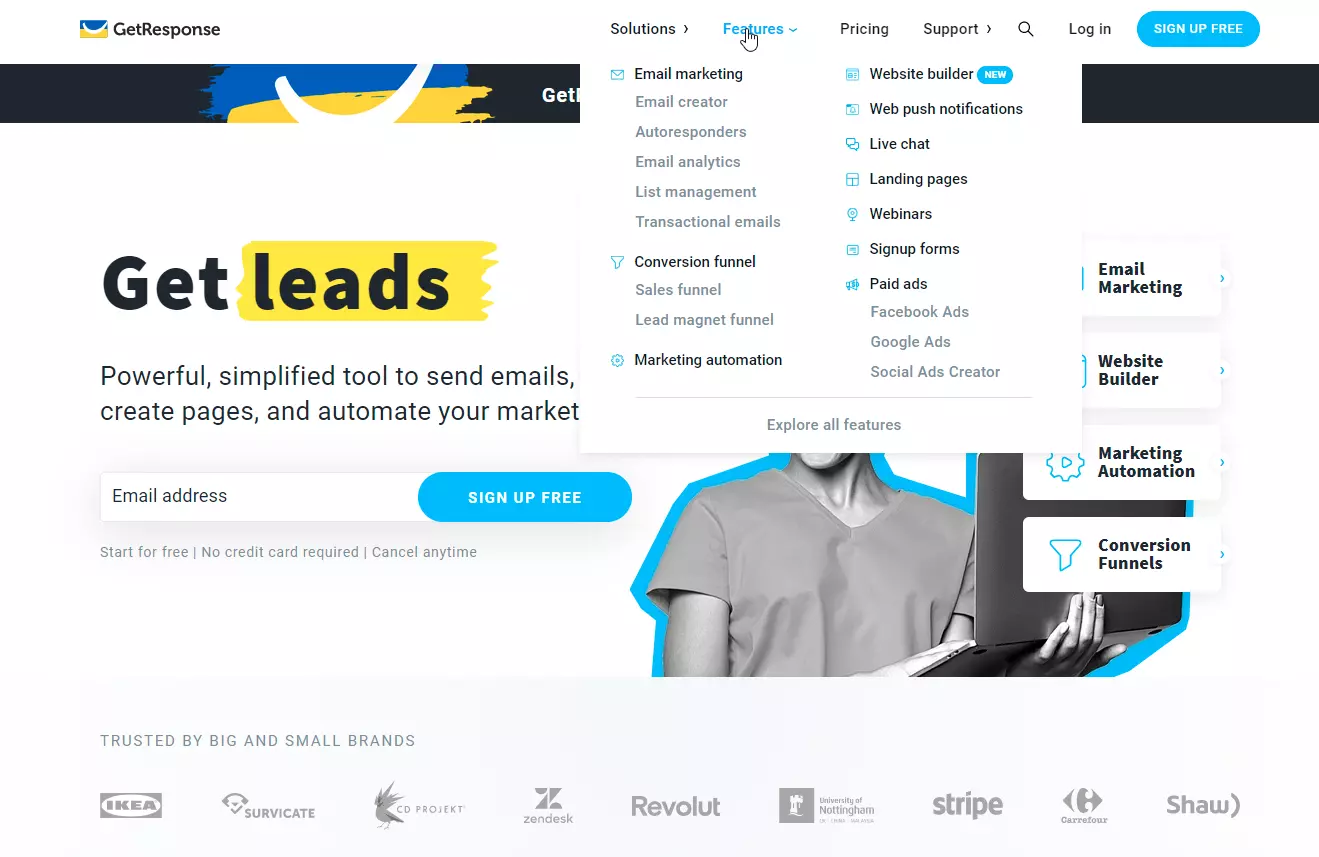
GetResponse offers a landing page builder, email marketing platform, marketing automation, website builder, conversion funnels, and more if you want to consolidate your online marketing campaigns into a single platform.
44. Klaviyo – Email and SMS automation tool
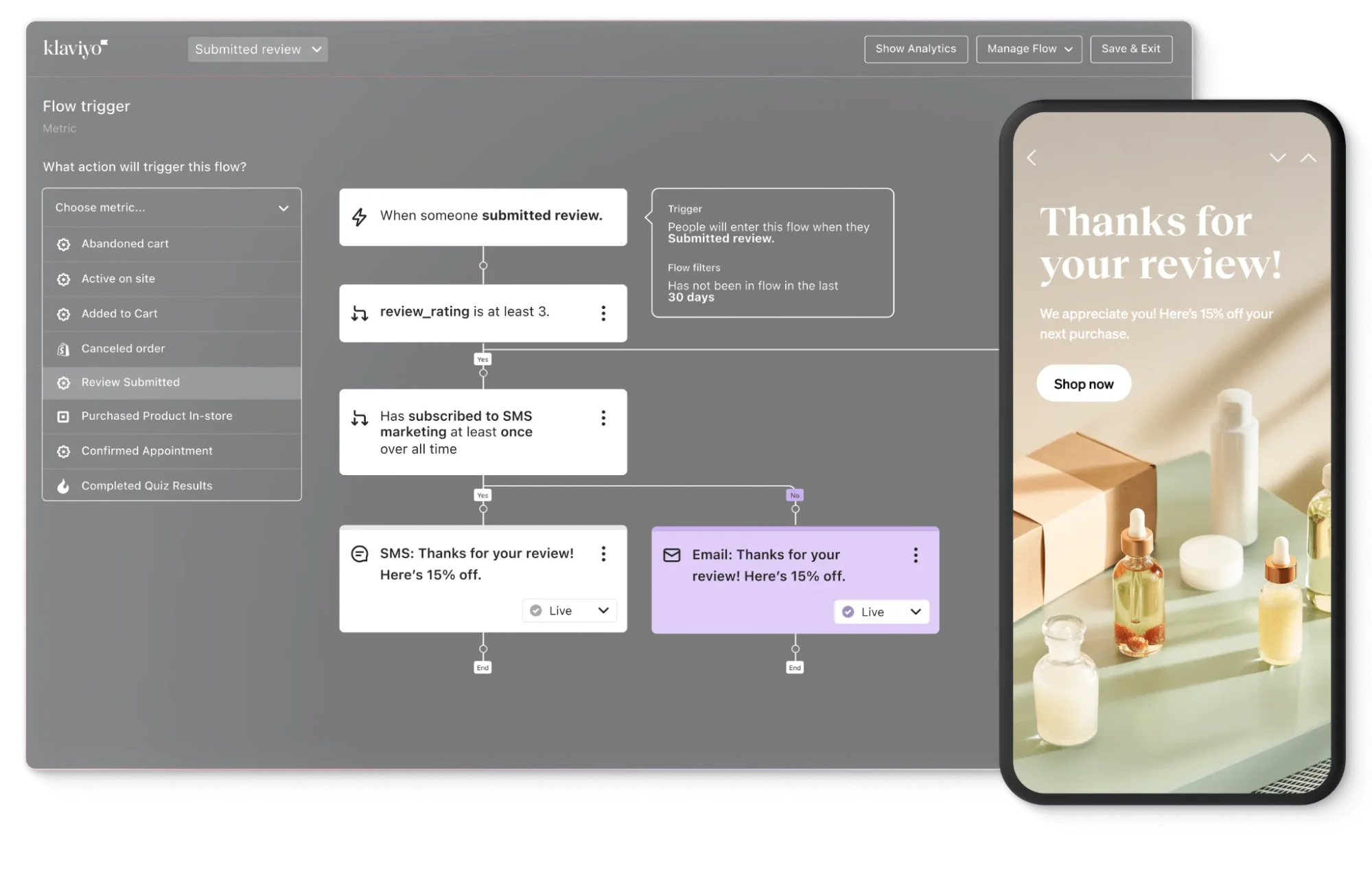
Klaviyo is a robust email and SMS marketing tool for e-commerce. It enables companies to use customer data to create targeted marketing campaigns to boost engagement and drive sales. Key features include advanced segmentation, predictive analytics, and smooth integration with e-commerce platforms such as Shopify, Wix, Salesforce, and more.
Other powerful marketing automation platforms include Act-On, Marketo, and ActiveCampaign.
45. OptinMonster – Exit-intent platform and email list-building solution
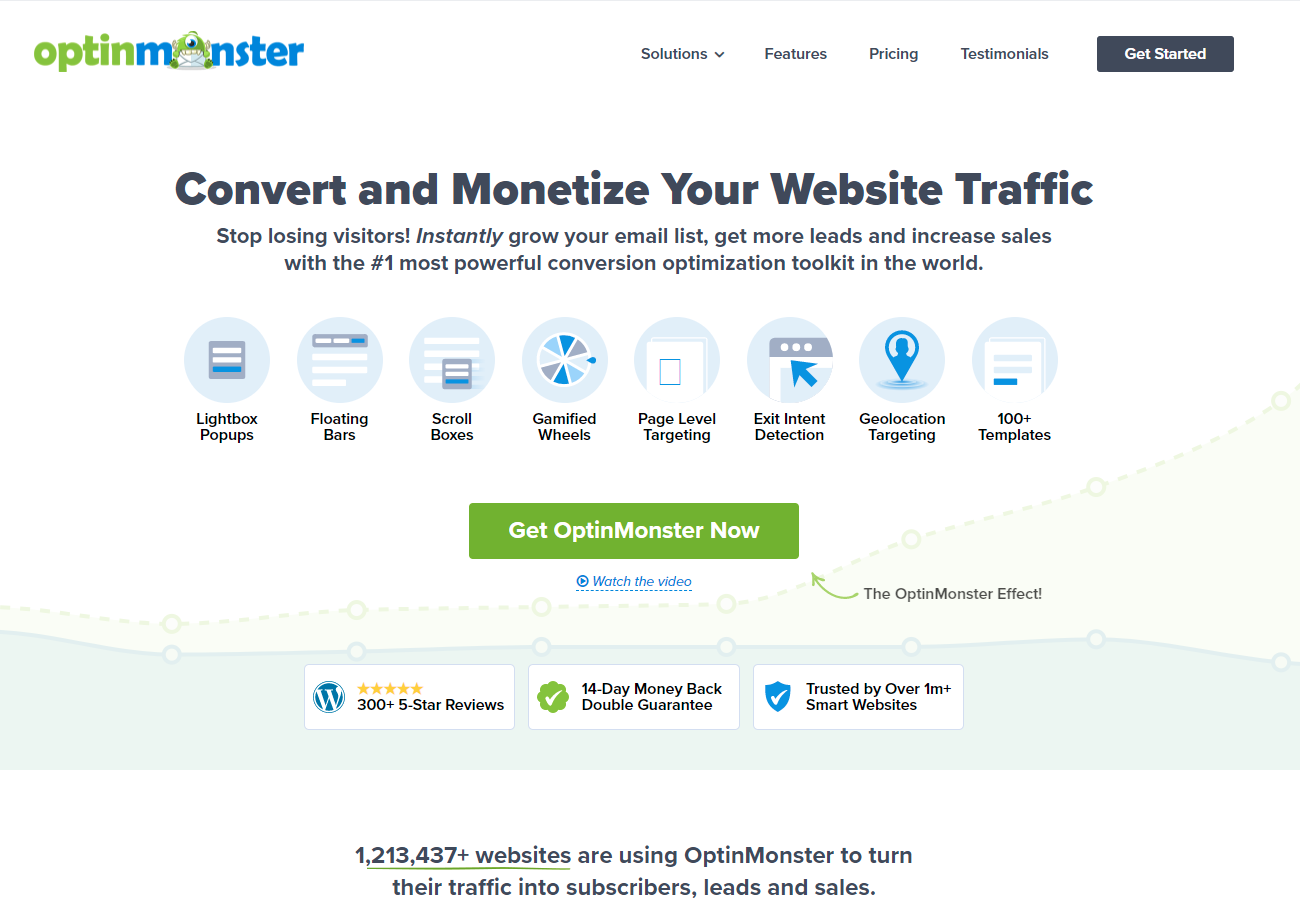
The company’s exit-intent technology, including popups, in-line bars, and coupon wheels, encourages website visitors to take a specific action right when they’re about to leave a page. OptinMonster can offer timely discounts, content upgrades, and other promotions to encourage conversions or email sign-ups for future follow-ups.
OptinMonster alternatives: Sleeknote, Sumo, and OptimizePress.
Content Management Platforms
Content Management Systems (CMS) help design, develop, and publish digital content like videos, images, text, documents, and audio files. The best SaaS CMS empowers you to offer consistent brand experiences across channels and devices.
46. WordPress – The world’s most popular CMS
WordPress powers over 40% of all websites on the internet, making it the dominant content management system by a wide margin. Its plugin ecosystem, theme flexibility, and massive developer community make it suitable for everything from simple blogs to complex enterprise sites. For SaaS companies, WordPress offers full control over content, SEO, and user experience — backed by decades of ecosystem maturity.
WordPress alternatives: Contentful (headless CMS), Webflow, and Ghost.
47. Content Studio – Content discovery and scheduling
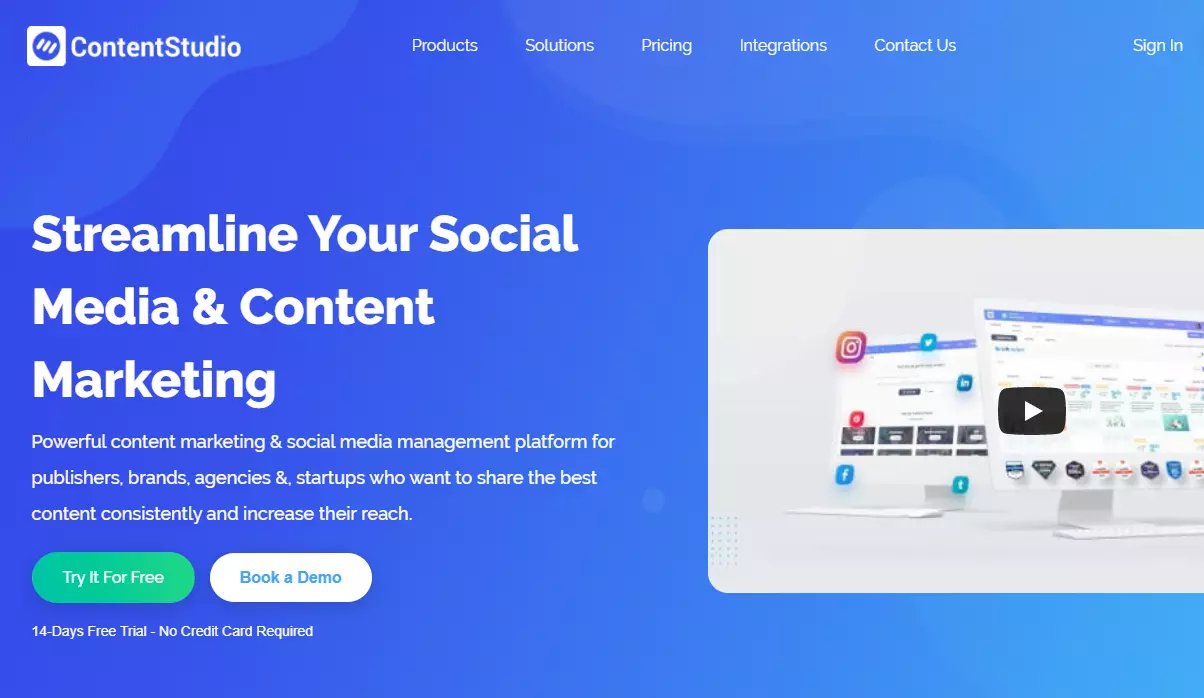
With its content discovery, planning, publication, and analytics tools, Content Studio gives content creators a solid foundation for social media posting and content marketing. It also offers a media library to organize all your engagement content in one place.
Content Studio alternatives: BuzzSumo (content ideas generator), Feedly (RSS feed), and ShareIt (content curation).
48. Wistia – Video hosting platform
Wistia offers marketers a recording, hosting, and management solution for videos and podcasts. You can then collect engagement data from the videos and share it with your CRM, ads, and marketing stacks to get further insight for follow-up campaigns.
Search Engine Optimization (SEO) Tools
SEO is a powerful, proven, and long-term digital strategy for increasing your online visibility. The following SEO tools can help you position your SaaS business where your customers are online to maximize exposure and increase adoption.
49. Ahrefs – Comprehensive SEO toolset

Ahrefs offers a keyword generator, backlink checker, SEO analytics, and numerous plugins for major browsers. With Ahrefs, you can conduct SEO audits on your website(s), measure the effectiveness of your SEO strategy, and identify link-building opportunities.
50. Semrush – All-in-one digital marketing suite
Semrush combines SEO, content marketing, competitor research, PPC, and social media tools into a single platform. Its keyword research database, site audit capabilities, and competitive analysis features make it the primary alternative to Ahrefs. For SaaS marketing teams, Semrush’s content marketing toolkit and topic research tools add capabilities beyond pure SEO.
51. MarketMuse – Content optimization platform
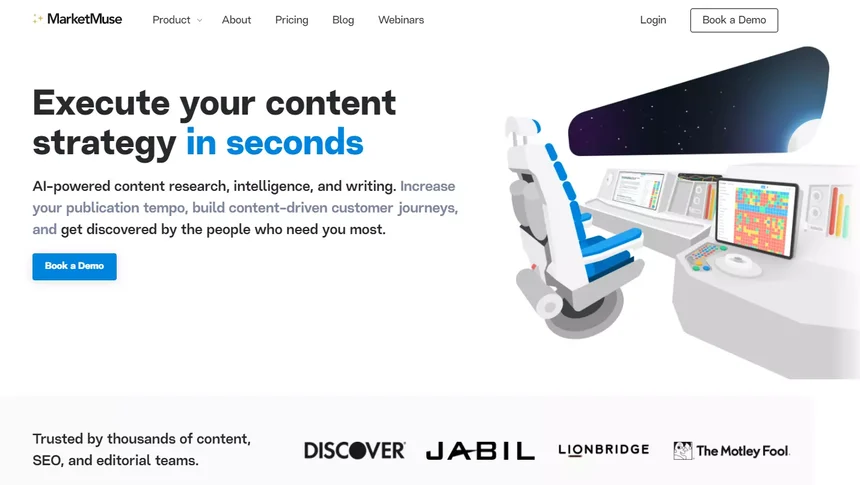
MarketMuse combines what Ahrefs, CoSchedule, and BuzzSumo do into one tool. The tool provides a keyword planner and content ideas generator and identifies gaps your team can fill to deliver unique content to your audiences.
SaaS tools similar to MarketMuse: ClickFlow, Frase, Clearscope, and Dashword.
Social Media Management Tools
Social media’s role in your SaaS business goes beyond engaging customers online. It is also a great way to showcase your culture and attract talent to your organization. Here are a few tools you can use to consistently build your social media presence.
52. Buffer – Social media scheduling and management tool

Buffer is an affordable social media management tool for companies of all sizes. Use it to schedule social posts and automate LinkedIn, Facebook, Twitter, and Pinterest postings. You can also respond to comments directly in Buffer and analyze engagement over time.
53. Hootsuite – Social media management and analytics
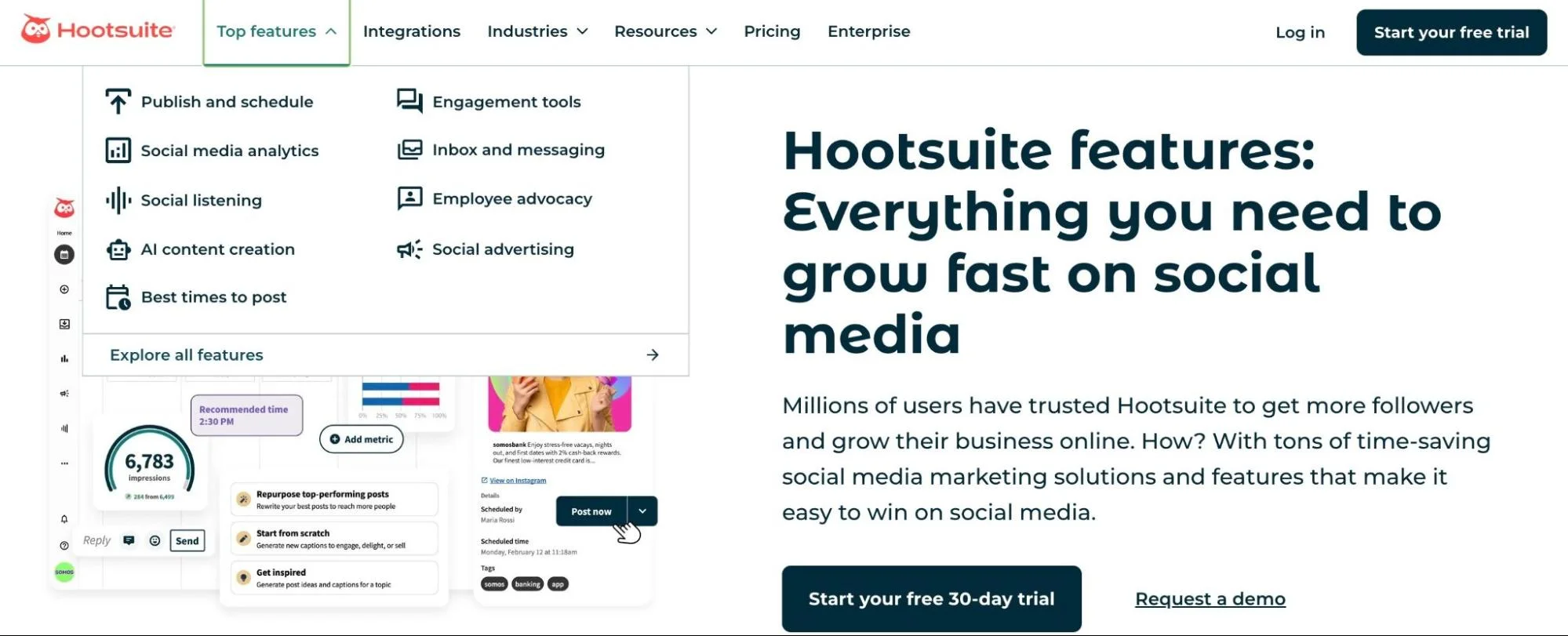
With Hootsuite, users can plan, schedule, and publish content across social media platforms, all from a single dashboard. Its unified social inbox streamlines communication by consolidating messages from all accounts. Hootsuite also features robust analytics tools that offer insights into engagement and performance.
54. Sprout Social – Enterprise social media management
Sprout Social provides publishing, engagement, analytics, and social listening in a single platform built for mid-market and enterprise teams. Its reporting capabilities are particularly strong — giving marketers ready-made executive reports that connect social performance to business outcomes. Sprout’s social listening tools also help track brand sentiment and competitive conversations in real time.
55. CoSchedule – Content calendar and headline analyzer
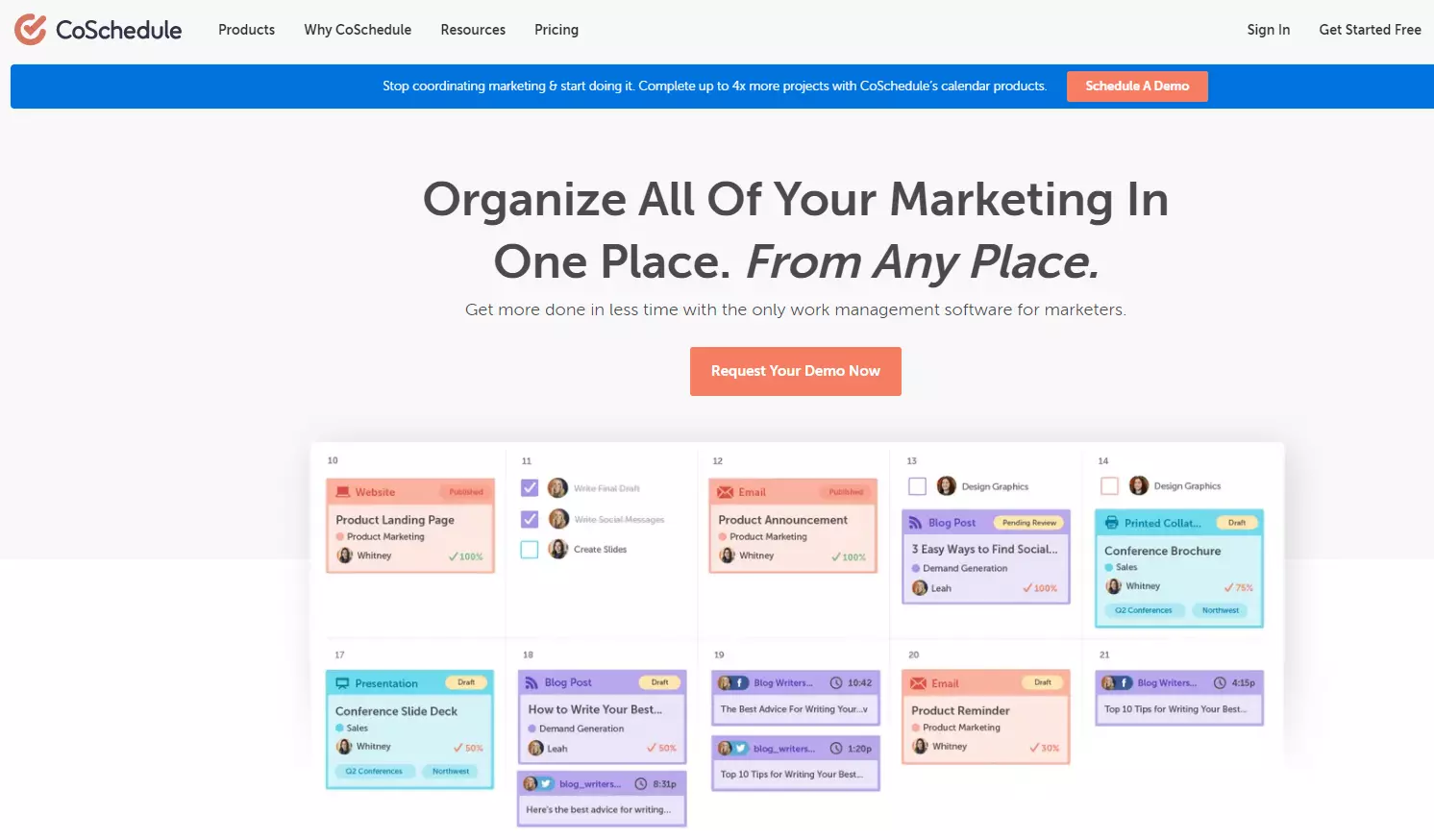
CoSchedule started as a content calendar and headline optimization tool but has grown into a comprehensive content marketing platform. It now features content ideation, scheduling, sharing, project management, and training tools.
Other social media tools: Agorapulse, SocialPilot, Later, and SocialBee.
Video Solutions For SaaS Companies
SaaS companies rely heavily on video, particularly when creating explainer videos, demos, training material, and sharing their culture on social media. Here are some tools to help you achieve all three and more.
56. Loom – Screen recording software
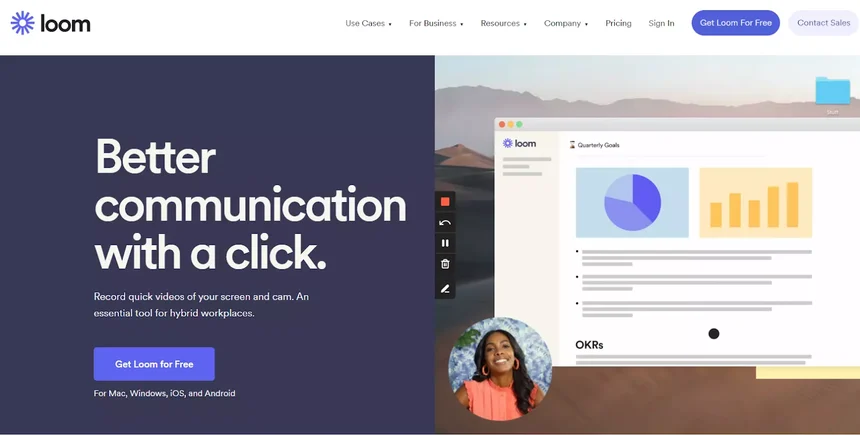
The screen-casting tool empowers your hybrid workplace to use asynchronous video to educate, collaborate, and communicate easily. With Loom, you can simultaneously record and share your desktop and mobile screens, enabling you to share feedback and other video demonstrations.
Loom competitors: Vidyard and Snagit.
57. Descript – AI-powered video and podcast editing
Descript lets you edit video and audio by editing text — its transcript-based editor makes cutting, rearranging, and polishing content as easy as editing a document. It also offers screen recording, AI-powered filler word removal, studio-quality audio enhancement, and clip generation for social media. For SaaS marketing teams producing webinars, podcasts, and product videos, Descript dramatically cuts post-production time.
58. PowToon – DIY animation platform
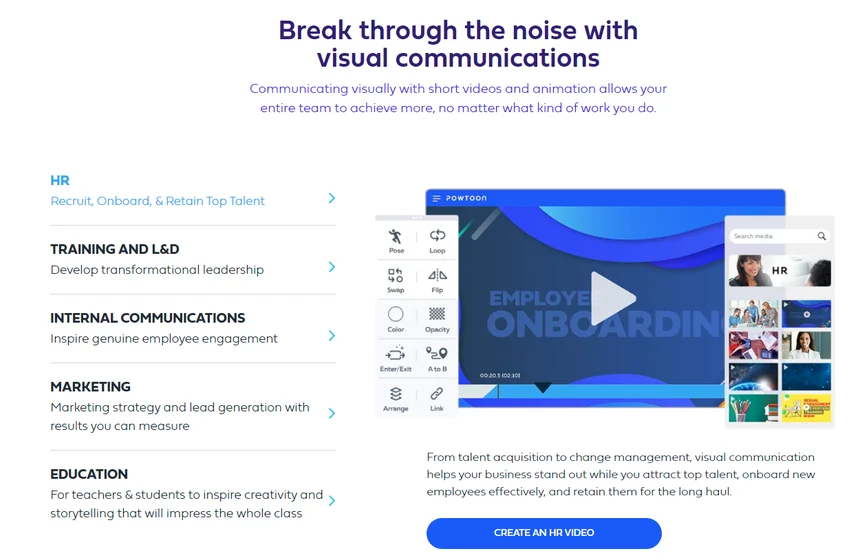
Manage, create, and distribute high-quality animated videos that grab your audience’s attention, engage, and keep them coming back for more. With PowToon, you can create explainer videos and product demos for marketing or internal use.
Project Management Platforms For SaaS
No matter your company size, a project management tool can help you manage your teams, workload, and projects more efficiently. The following solutions can do the job for and with you.
59. Asana – Team project management software
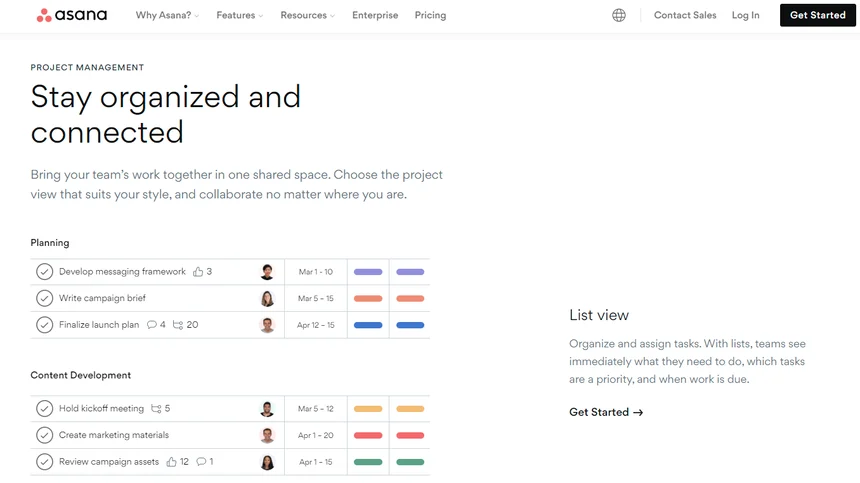
Easily organize work projects and workflow for teams – from ideation to prioritization and collaboration to progress tracking. Asana works online so that you can collaborate with anyone from anywhere.
Asana alternatives: Flow, Todoist, Wrike, Basecamp, Monday.com, and Trello.
60. ProofHub – All-in-one project management for small and medium businesses
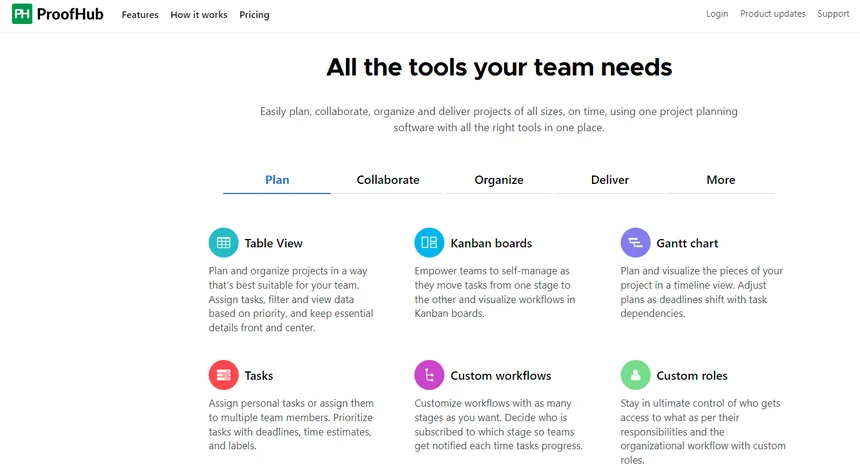
ProofHub features Gantt charts, Kanban boards, custom roles, and workflows to help manage work projects and provide leadership. It also includes task management, in-app chat, and table view tools to stay organized and beat overwhelm.
ProofHub alternatives: ClickUp, Jira, and ProdPad.
61. Process Street – Business process management
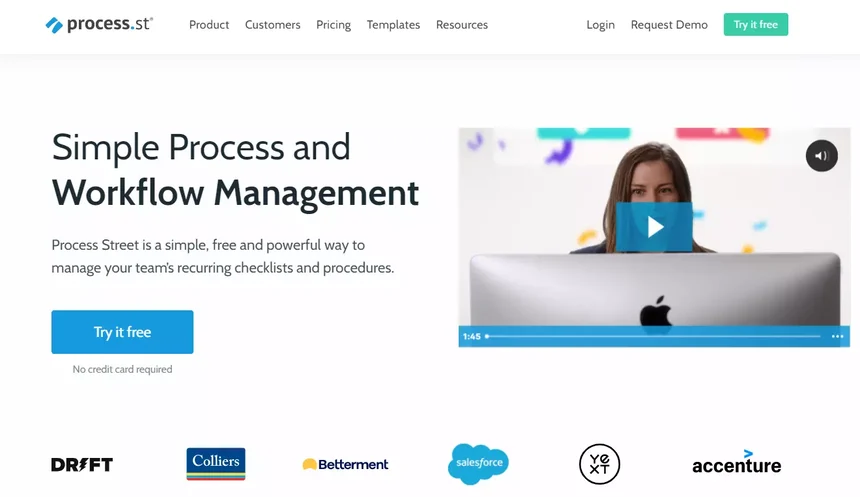
Process Street is a no-code process management solution for teams, great for small and medium businesses looking to manage procedures, checklists, and workflows.
Process Street alternatives: Airtable and Bitrix24.
SaaS Communication Solutions
Whether you work with distributed teams or in an office setting, these tools can enhance your communication, collaboration, and ability to get things done quickly and accurately.
62. Zoom – Video conferencing software
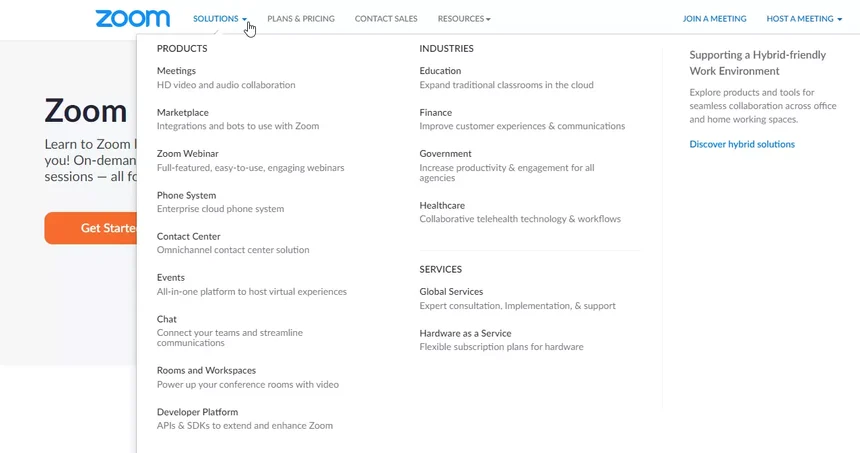
Zoom is a videotelephony solution that offers everything from video conferencing and cloud phone tools to webinars and online chat solutions across various web-connected devices.
Zoom alternatives: GoTo, Google Meet, Microsoft Teams, and MeetGeek.
63. Google Workspace – Cloud-based business applications with collaboration
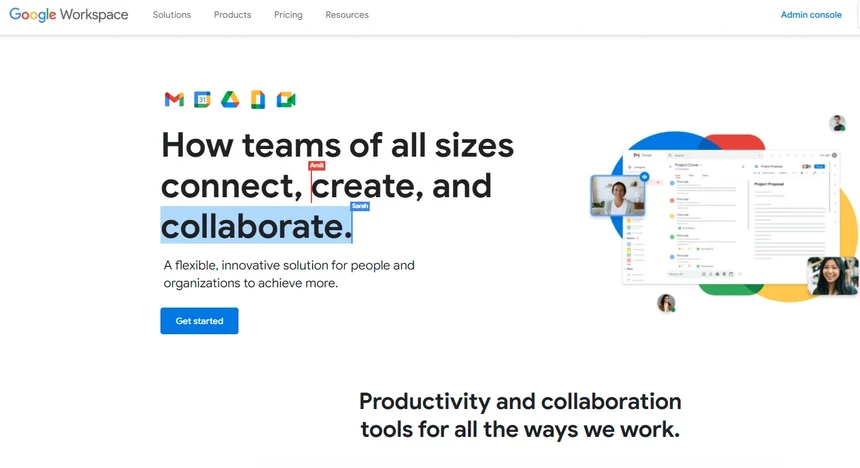
Google Workspace (formerly G-Suite) lets you collaborate on everything from presentations to documents in real-time. Send and receive emails with Gmail, upload, share, and manage files with Drive, schedule appointments and work projects with Calendar, and video meet on Meet.
Customer Service And Live Chat Services
Since you rarely meet your customers face-to-face, your customer service representatives do a lot to ensure that thousands of existing or potential customers enjoy your products. The following tools can help ease the burden on your reps and provide consistently excellent customer service.
64. ZenDesk – Customer communications platform
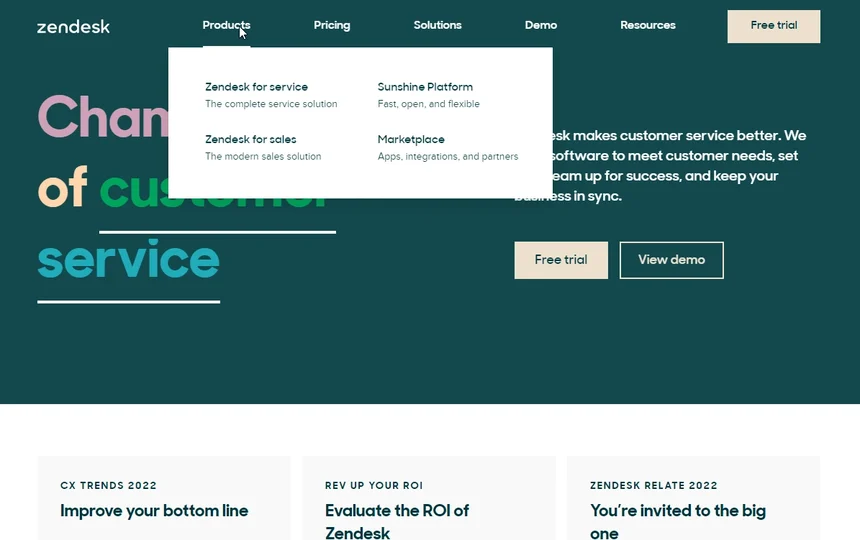
ZenDesk‘s customer service suite features a ticketing system, messaging and live chat tools, and community forums. You can also use it to build knowledge bases, help centers, and answering bots. It also includes a sales CRM and analytics tool to help improve your conversion rate.
ZenDesk alternatives: FreshDesk, Drift, HelpDesk, Crisp, GrooveHQ, and Salesforce.
65. Intercom – Transactional messaging and live chat software
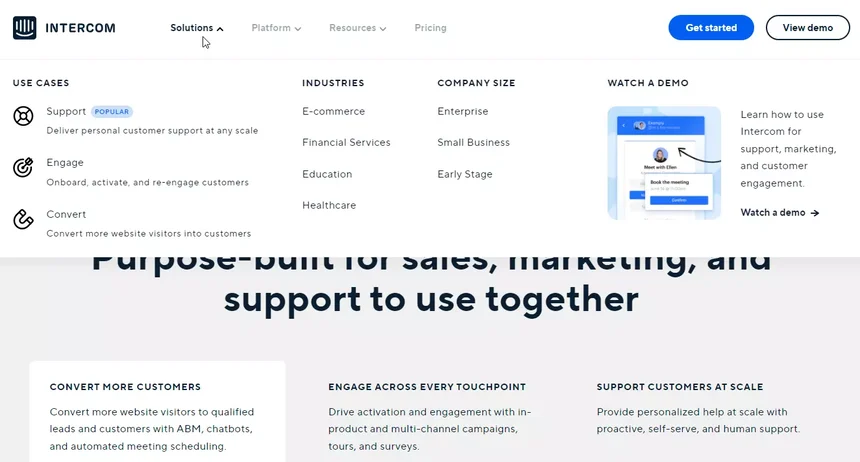
Intercom provides business messaging, live chat, automated answers, product tours, and surveys to help you connect and engage customers to boost sales.
66. Freshdesk – Omnichannel customer support
Freshdesk provides a full-featured helpdesk with ticketing, automation, self-service portals, and omnichannel support across email, phone, chat, and social media. Its AI-powered features include automatic ticket categorization, suggested responses, and a chatbot builder. Freshdesk’s pricing tiers make it accessible to startups while scaling to enterprise needs.
Freshdesk alternatives: Help Scout, Kayako, and Social Intents.
Remote Team Collaboration Tools
Getting work done in your hybrid workplace shouldn’t be a hassle. At least not when you can use the following remote-friendly tools.
67. Confluence – Knowledge management and collaboration service
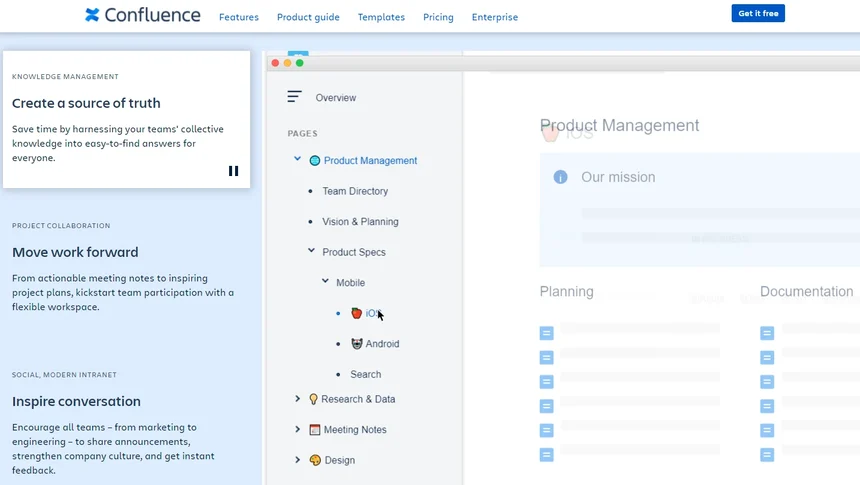
Customers expect consistent experiences throughout your organization. That is why you’ll want to provide your employees with a centralized knowledge base to help them better serve your customers. Confluence helps your team collaborate on projects, share project plans, and find answers to customer questions in one place.
Confluence alternatives: Bit.ai, Notion, Zoho Wiki, and Nuclino.
68. Slack – Messaging app for business teams
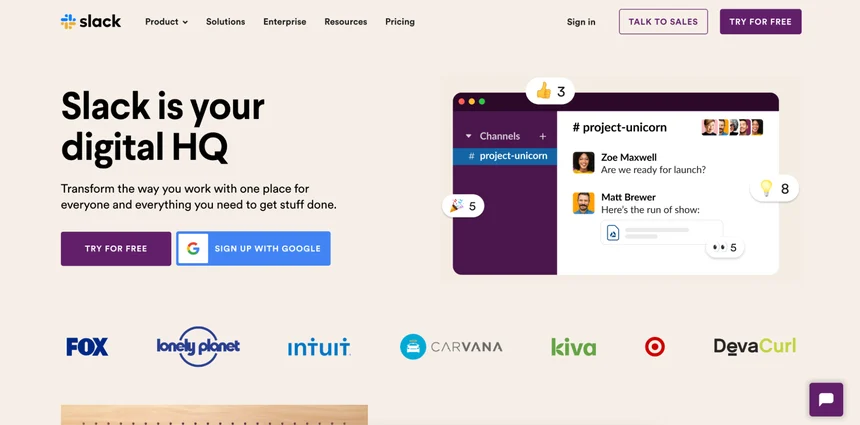
Whether you’re working with marketers or DevOps teams, Slack is perfect for collaboration. In fact, CloudZero uses Slack to alert the responsible person or team to cloud cost spikes in their AWS environment so they can take action to prevent overspending.
69. Figma – Collaborative design platform
Figma is the industry-standard collaborative design tool for product teams. Designers, developers, and product managers work together in real-time on UI/UX design, prototyping, and design systems. Its browser-based approach eliminates file-syncing headaches, and its developer handoff features — including auto-generated CSS, inspect tools, and design tokens — bridge the gap between design and engineering.
Figma alternatives: Sketch, Adobe XD, and Penpot (open source).
E-Signature And Contract Management
SaaS companies deal with a constant flow of contracts — customer agreements, vendor MSAs, partnership deals, NDAs, and employment offers. These tools digitize and streamline the signing and management process so deals close faster and legal teams maintain control.
70. DocuSign – E-signature standard
DocuSign is the most widely adopted e-signature platform, used to prepare, sign, and manage agreements electronically. Its workflow automation features route documents through approval chains, send reminders, and archive signed copies — eliminating the back-and-forth of PDF email attachments. DocuSign integrates with Salesforce, HubSpot, Google Workspace, and hundreds of other tools.
71. Ironclad – Contract lifecycle management
Ironclad manages the full contract lifecycle — from request and authoring to negotiation, approval, execution, and renewal tracking. Its AI-powered features extract key terms, flag deviations from standard language, and surface contracts approaching renewal. For SaaS companies managing high volumes of customer and vendor agreements, Ironclad replaces the chaos of shared drives and email threads with structured, searchable workflows.
Contract management alternatives: PandaDoc, Contractbook, and Juro.
Financial Services And Accounting Tools For SaaS Businesses
Using accounting, bookkeeping, and financial services for SaaS simplifies, tracks, and completes your numbers. By choosing the right financial tools and services, you can save time, minimize errors, and improve your business’s financial health.
72. QuickBooks – Accounting software
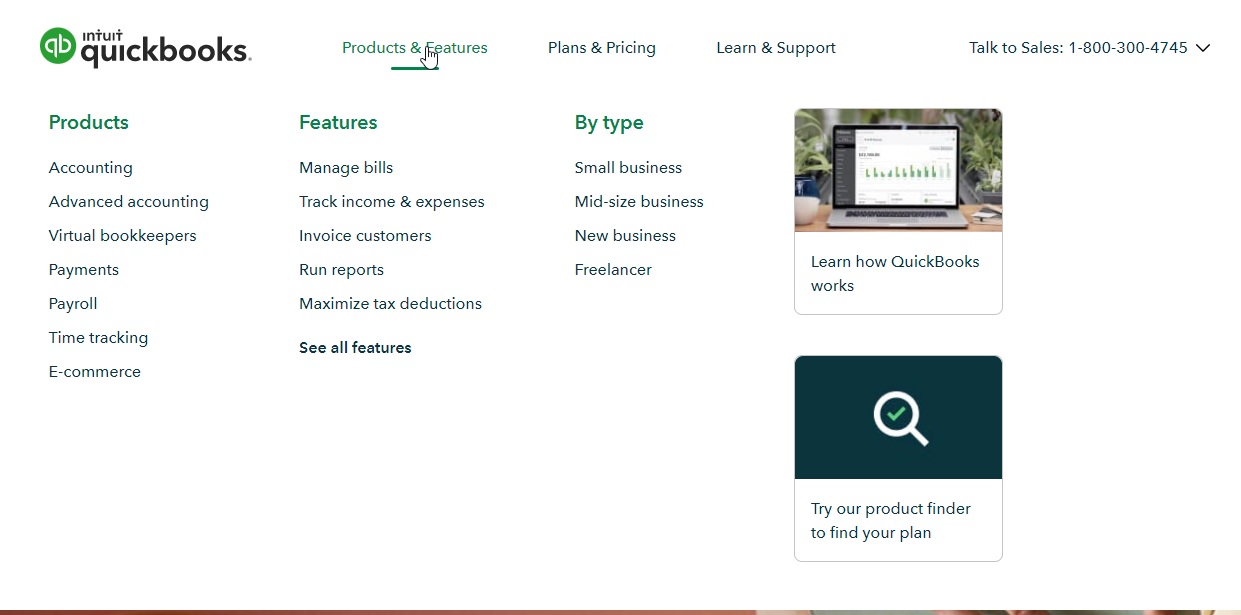
Quickbooks is a cloud-based accounting program for businesses of all sizes, from single freelancers to companies with complex accounting requirements. The software also accepts payments online, provides project time tracking for billing, and supports advanced bookkeeping practices.
QuickBooks alternatives: FreshBooks, 2Checkout, Zoho, and Xero.
73. Boast.ai – R&D tax credits
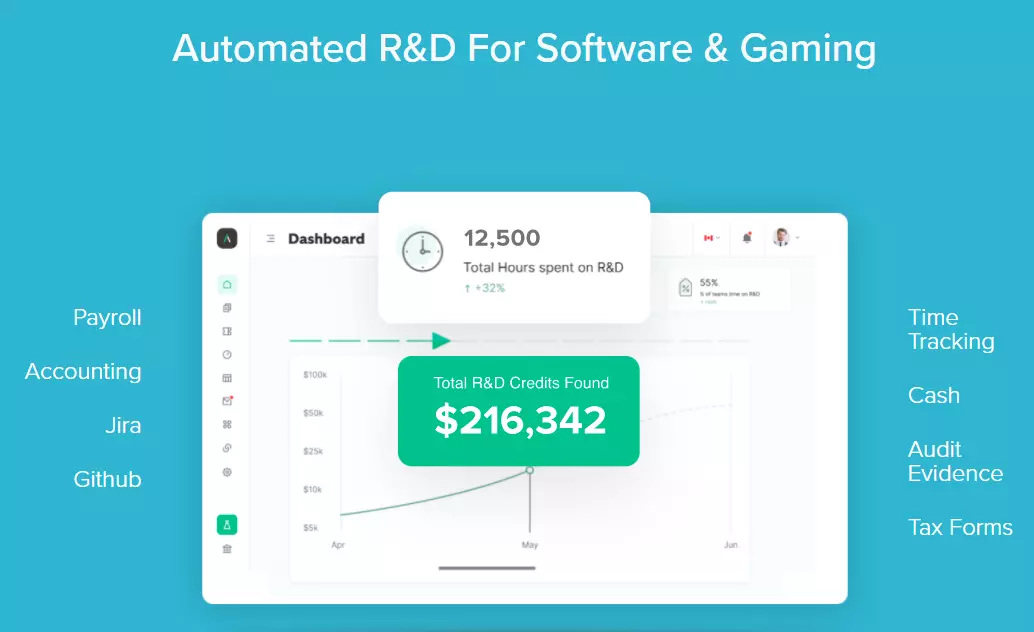
Boast helps you capture, qualify, and claim eligible tax credits for your research and development. It does this automatically, so you won’t have to wait for tax season or claim approval times to fund your product development.
74. Carta – Cap Table, valuation, and equity management
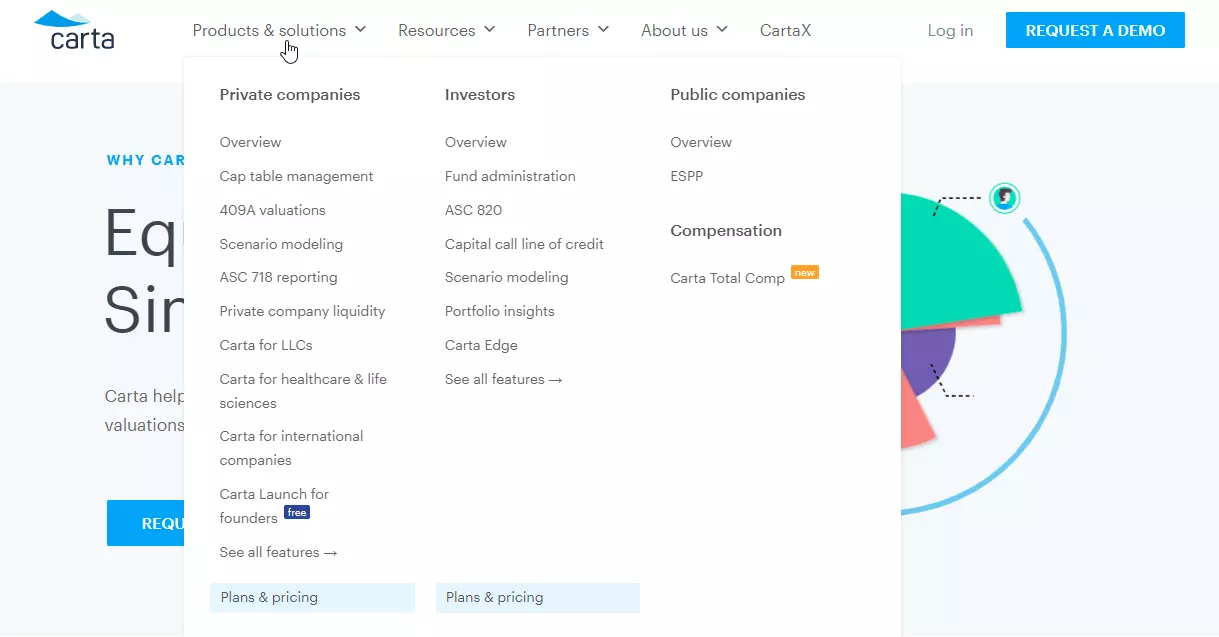
Carta aims to be everything you need to simplify and manage 409A valuations, cap tables, and investments. The goal is to streamline equity management from founding to IPO for investors and companies.
75. Stripe – Payment processing
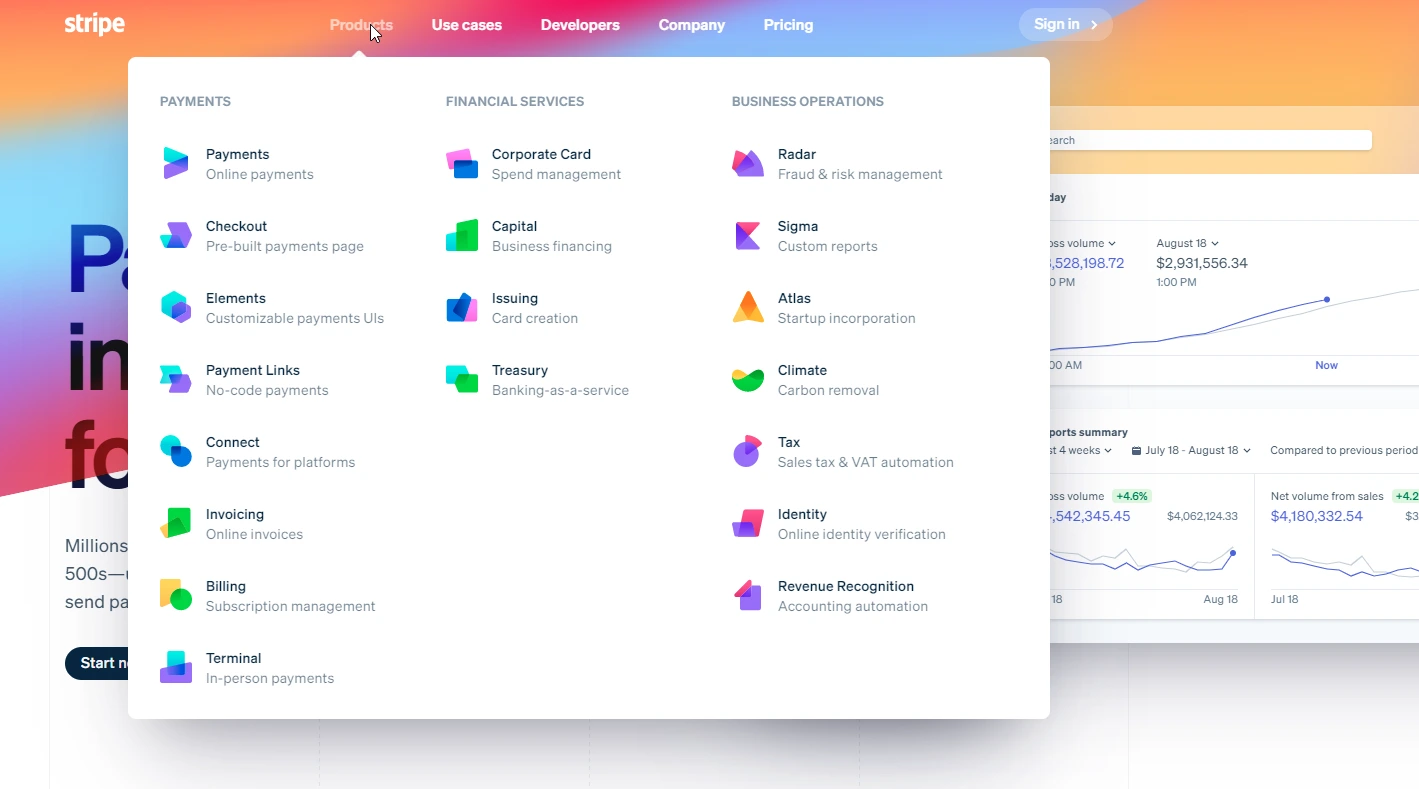
Stripe provides a robust payment gateway and PayPal alternative for SaaS companies of all sizes. The service enables you to securely and conveniently accept payments online. In addition, it helps manage financial records and send payouts online.
Stripe competitors: 2Checkout, Braintree, PayPal, WePay, and Fusebill.
76. Chargebee – Recurring billing and subscription management tool
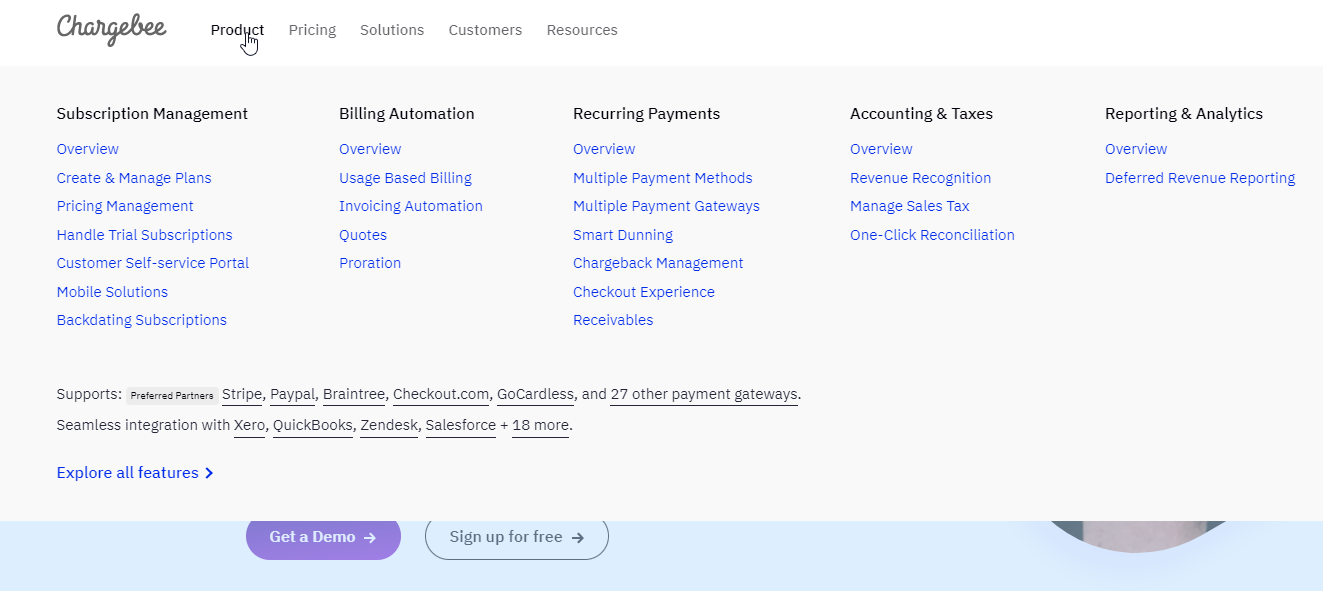
Chargebee lets you manage different aspects of SaaS subscriptions. You can use the tool to manage your product catalog, free trials, plan addons, contract terms, invoicing, and chargebacks. The tool also supports online payments through your chosen payment gateway.
Chargebee alternatives: Chargify, Stripe, Outseta, ChartMogul, and Recurly.
Human Resource Management Software
HR platforms enable you to organize, automate, and optimize most aspects of working with your most valuable asset, your people. The following tools can help you build a great workplace at every stage of your SaaS journey.
77. Grove HR – All-in-one HR software
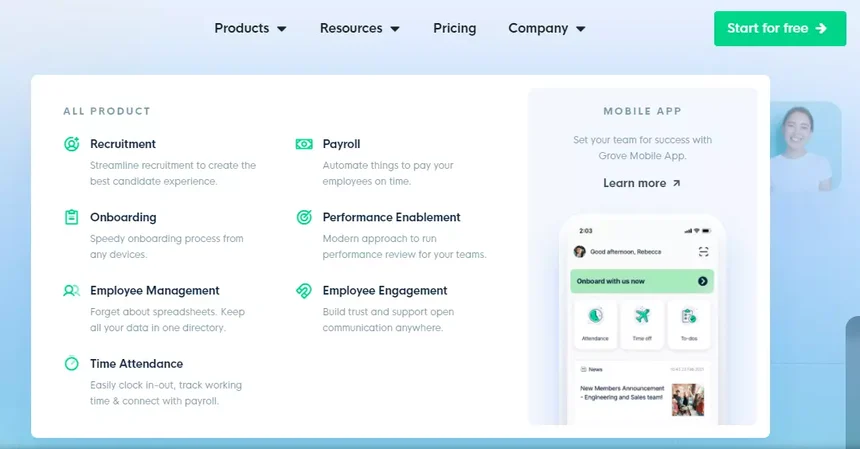
Get everything from job applications to onboarding to payroll, e-signatures, and onboarding solutions in one place. Grove HR empowers users to set goals for their teams, track their career paths, and review their performance in one place.
Alternatives to Grove HR: BambooHR, Gusto (Payroll and benefits solution), PandaDoc (Contract signing management), as well as ProProfs and Apty (User onboarding and employee training tools).
78. Time Doctor – Time-tracking software
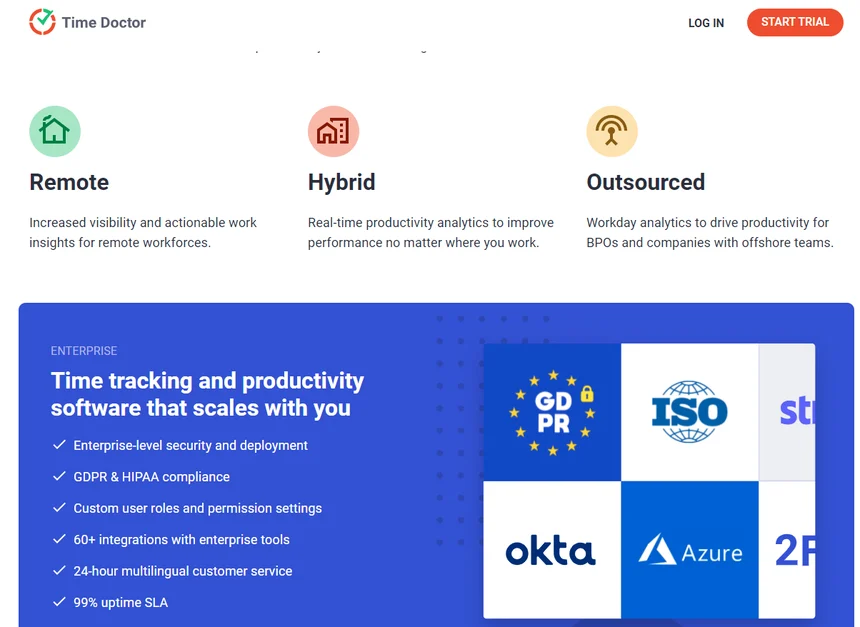
Time Doctor provides real-time monitoring and productivity analytics for SaaS teams working in remote and hybrid environments. With Time Doctor, work gets done when it should.
SaaS Design Software
Every niche has dozens of SaaS players competing for users’ attention. Branding is one way you can stand out from the crowd. A strong design tool can help you market your brand’s strengths, ensure brand cohesion across all channels, and help make you instantly recognizable in a crowded market.
79. EdrawMax – Diagramming tool for SaaS
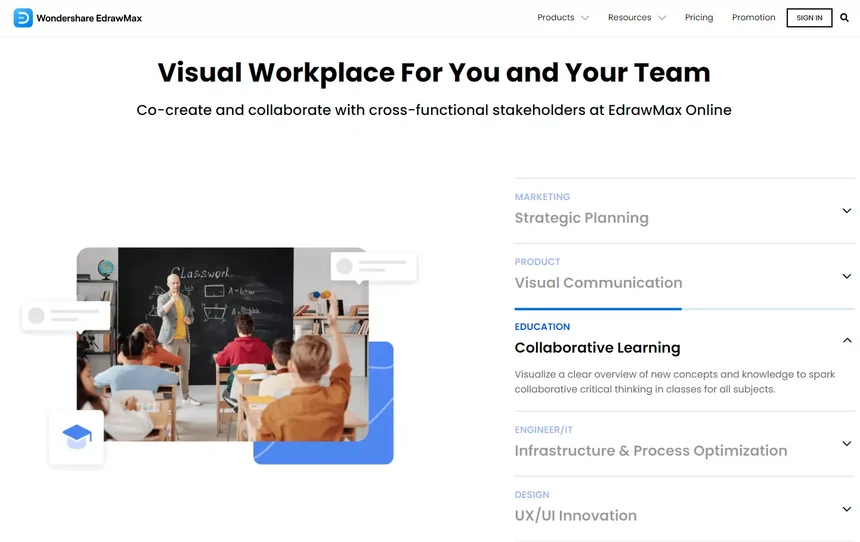
EdrawMax offers more than 280 diagram types for presenting information in context, in the visual language of the audience, and in a way that does not overwhelm them. With 1,500 in-built templates and 20,000+ symbols, you won’t have any trouble expressing your brand in fewer words and more visuals.
80. Canva – One-stop graphic design tool
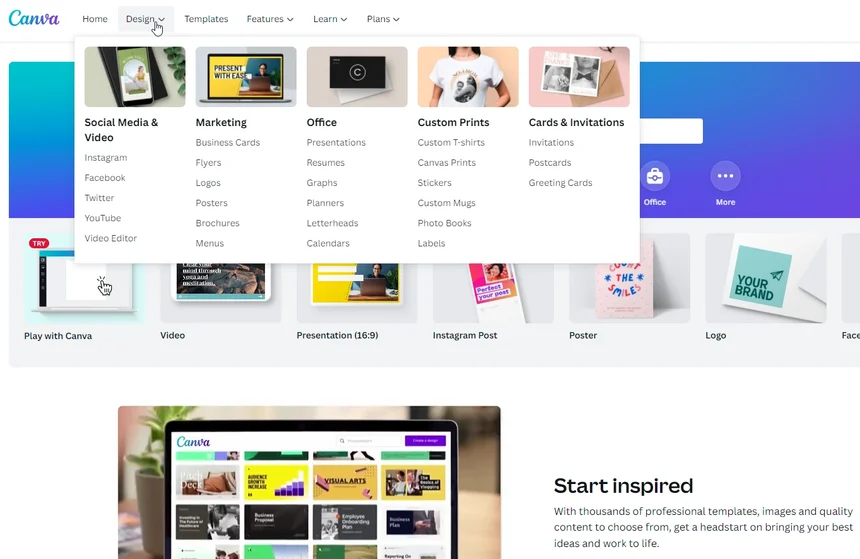
Designers, branding professionals, and in-house teams can use Canva to create, share, and print everything from social media graphics and business card logos to website templates, graphs, and charts.
Canva alternatives: Venngage and Adobe Express.
Surveys, Forms, And Polling Software
You do not have to wait until your churn rate and monthly recurring revenue (MRR) signal that your subscribers are canceling. By listening to their own words, you can learn how to improve your relationship with them before they leave.
81. Feedier – Feedback management solution
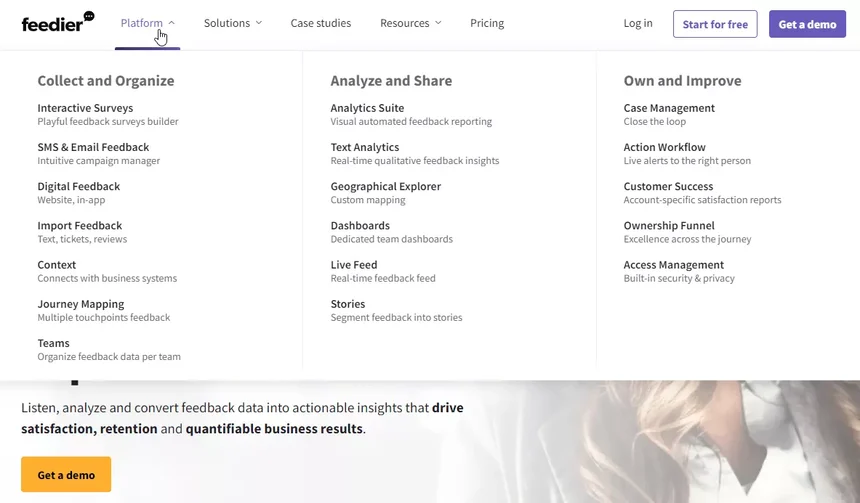
Gather, analyze, and act on feedback from all touchpoints in your business, from HR to marketing. Feedier enables you to import feedback from your CRM, text, forms, tickets, and reviews, among others, so you can work on improving customer experiences.
Feedier competitors: Refiner, Promoter.io, Ask Nicely, Birdeye, Lattice, and Fond.
82. Typeform – Forms and surveys builder
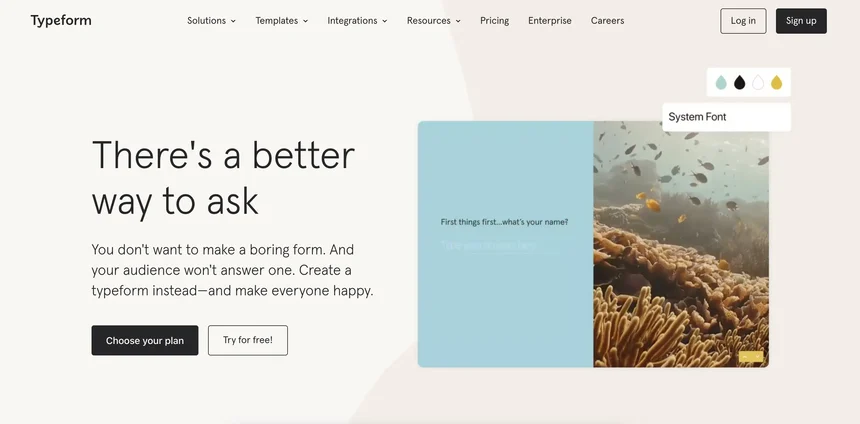
Instead of sending tedious forms your audience will pass, why not create quizzes, tests, and polls that they will enjoy answering? Typeform has a treasure trove of templates you can use to get started.
Alternatives to Typeform: SurveyMonkey (online surveys), Google Forms (online forms), and Reform (hosted forms).
Workflow Automation
Ultimately, you’ll want a robust automation platform to link all your SaaS tools, enable them to share information automatically, and reduce overwhelm across your stack.
83. Zapier – Applications and workflow automation platform
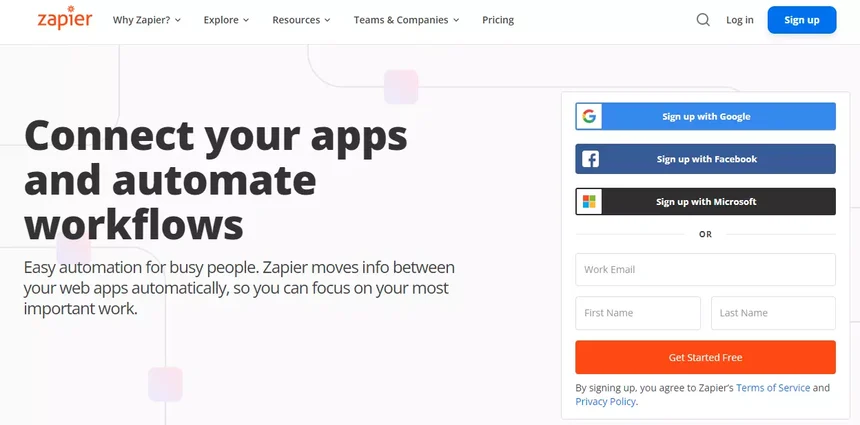
Zapier provides workflows that let multiple tools talk to each other and deliver desired results. One action in one app can trigger one or more activities in the rest of your toolset.
Zapier alternatives: Make (formerly Integromat), Workato, and Tray.io.
Wrapping Up
These SaaS tools can help you enhance your primary service, free up your people to concentrate on their core duties, and worry less about everyone else getting ahead of you.
By finding the tools that best suit your needs, you won’t waste time switching between apps, paying for subscriptions you barely use, or creating new systems with money you can’t afford to burn.
If you’re tired of juggling multiple cloud cost tools without getting the visibility and ROI you need, CloudZero can help.
CloudZero lets you see precisely who, what, and why your cloud costs are changing. Think: cost per customer, product feature, environment, development team, and more – all without endless tagging in AWS. That means you can tell where to pull strings to cut costs without hurting your system’s performance, blocking innovation, or harming customer experiences.
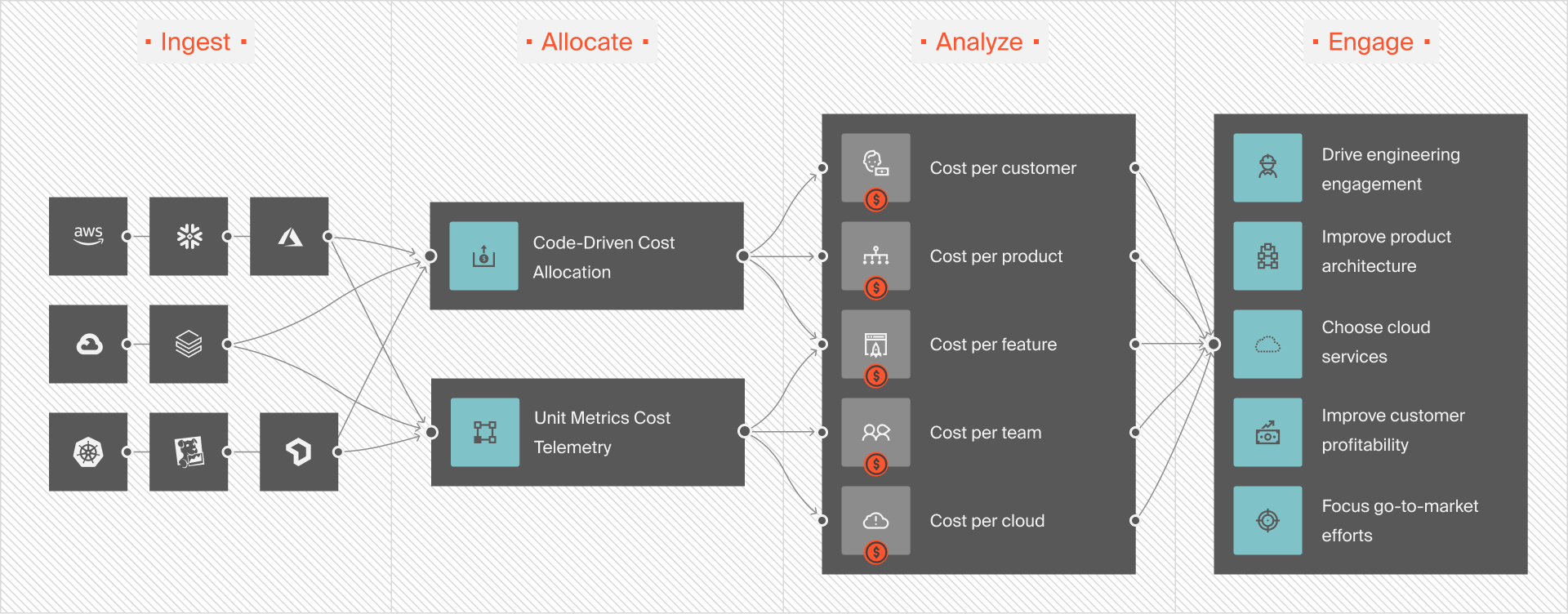
Besides reducing your AWS bill, it can also help you discover new revenue streams, like what features you can charge more for without losing customers. Schedule a demo to see how CloudZero makes this happen.


FinOps In The AI Era: A Critical Recalibration
What 475 executives told us about AI and cloud efficiency.